Introducing a clean cycle helps maintain performance and curb odors by removing buildup from hard-to-reach areas. This guide provides a practical, step-by-step approach using common tools and consumer products to refresh a household dishwasher.
Quick Answer
Run a dedicated cleaning cycle at least once a month or whenever you notice odors or reduced cleaning performance. Use a combination of cleaners to tackle interior grime, spray arms, and seals for best results.
What You’ll Need
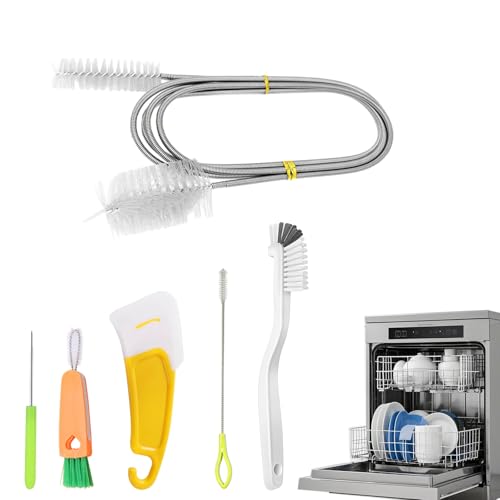
- Dishwasher interior cleaning brush
- Dishwasher spray arm cleaning brush
- Ultrasonic dishwasher cleaner
- Dishwasher descaler powder
- Dishwasher cleaning tablet 60 count


Before You Start
Before beginning, remove all racks and large debris from the tub. Check for clogs in the filter and spray arms. Ensure the dishwasher is empty and the electrical supply is stable. Time estimate: 60–90 minutes, depending on cycle choice and cleaning tasks.
Step-By-Step: How To Run A Thorough Dishwasher Clean Cycle
- Remove racks and examine the interior for food particles; wipe loose debris with a damp cloth.
- Use the dishwasher interior cleaning brush to scrub the corners, door seal, and hard-to-reach crevices.
- Inspect and clean the dishwasher spray arm cleaning brush ports; remove any mineral deposits or blockages.
- Place a dishwasher cleaning tablet or a packet of descaler powder in the dispenser or directly in the tub if recommended by the product.
- Run a hot, empty cycle using the cleaning product’s recommended settings to dissolve buildup and sanitize the interior.
- For tough mineral deposits, run a separate cycle with ultrasonic dishwasher cleaner following the package directions.
- Wipe the door gasket with the interior brush to remove soap scum and catch any remaining grime.
- Reinsert racks and run a second rinse cycle with fresh water to ensure no cleaning residue remains.
- Post-cycle, inspect seals and corners; re-clean any remaining spots with a damp cloth.
- Optionally run a maintenance cycle using a dishwasher descaler powder to prevent future mineral buildup in areas with hard water.
- Store products in a cool, dry place and keep to-use items ready for the next maintenance.
- Schedule monthly cleanings or more frequent cycles if you notice recurring odors or spots on dishes.
Troubleshooting
| Symptom | Likely Cause | Fix | Prevention |
|---|---|---|---|
| Odor after a cycle | Food particles stuck in filter | Clean filter and sweep with brush | Regularly inspect filter |
| Splatters or water marks on dishes | Mineral buildup on spray arms | Clean spray arms with brush; run descaler | Periodic descaling in hard water areas |
| Cycle stops early | Clogged drain or pump | Check pump area; remove debris | Keep tub clear of debris |
| Weak cleaning | Dirty spray arms or clogged nozzles | Clean arms and nozzles; run hot rinse | Use cleaner monthly |
Common Mistakes
- Using dish soap instead of dishwasher cleaners can create excessive suds and damage cycles.
- Overloading the tub prevents water from circulating and leads to poor cleanliness.
- Skipping the filter and spray arm maintenance reduces overall effectiveness.
- Relying on one product for all tasks; combine interior cleaning with descaling for best results.
Tips For Best Results
- Run the hottest available cycle when possible to maximize sanitation.
- Pair descaler powder with an ultrasonic cleaner for stubborn mineral deposits.
- Use debris-removing tools after heavy-use meals to minimize filter clogs.
- Keep a routine: a monthly interior clean plus quarterly descaling in hard-water regions.
Call A Professional
Monitor for persistent issues such as abnormal noises, persistent leaks, or failure to drain after attempts to clean. If a professional repairs or inspects components like the pump or motor, seek help promptly to prevent water damage or electrical hazards.
FAQ
How often should I run a clean cycle?
Aim for at least once a month, or more often if you notice odors or spots on dishes.
Can I use a dishwasher cleaning tablet every cycle?
No. Cleaning tablets are designed for maintenance cycles, not for every wash. Use them as directed for maintenance.
What’s the best way to clean spray arms?
Remove the spray arms if possible and scrub the nozzles with a brush to clear mineral buildup.
Is descaler safe for stainless steel interiors?
Descalers designed for dishwashers are generally safe, but always follow product instructions and test in a small area if unsure.
Buying Guide
When selecting products for dishwasher cleaning and maintenance, consider size and compatibility with your model, as well as the cleaning power and ease of use. Look for items that target interior grime, spray arms, and mineral deposits. For households with hard water, combining descaler powder with ultrasonic cleaners can improve results. Consider compact brushes for tight spaces and multi-packs for ongoing maintenance. Noise level, energy use, and placement (under-sink storage or cabinet) influence convenience and setup. A well-chosen kit simplifies routine maintenance and extends dishwasher life.