Plant lice, or aphids, are common garden pests that can weaken plants by sucking sap and spreading disease. This guide provides practical, non-technical steps for controlling aphids in home gardens, using safe products and proven methods suitable for American households.
Readers will find a clear plan that combines targeted products, mechanical controls, and natural methods to reduce aphid populations while protecting beneficial insects and your plants.
Quick Answer
Deploy a layered approach: start with a thorough spray of insecticidal soap or horticultural oil on affected foliage, supplement with a neem oil treatment if needed, and consider introducing aphid predators for long-term control. Use a garden sprayer to apply products evenly, and monitor plants daily for new outbreaks.
What You’ll Need
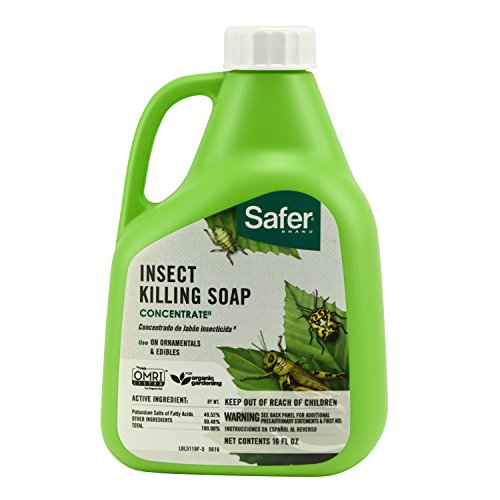
- Insecticidal soap for aphids 16 oz spray
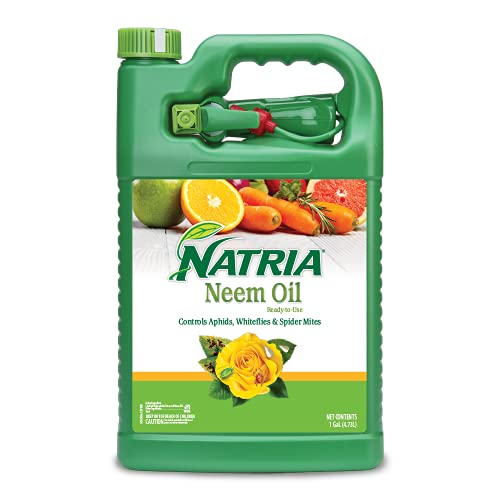
- Neem oil concentrate spray for aphids 1 gallon
- Horticultural oil spray aphids 16 oz
- Garden sprayer pump sprayer 2 liter
- Aphid predator kit beneficial insects for garden
Before You Start
Assess your plants and identify the infested areas. Read product labels for concentration, coverage, and safety, especially on flowering plants and edible crops. Perform a patch test on a small leaf area to ensure no phytotoxic reaction. Time your sprays to early morning or late afternoon to minimize sunburn and bee activity.
Safety notes: wear gloves and eye protection when handling sprays. Keep children and pets away during application. Schedule follow-up treatments according to label guidance, typically every 7–10 days during heavy infestations.
Step-By-Step: How To Eliminate Plant Lice
- Inspect affected plants and spray a light, even coating on the undersides of leaves where aphids cluster.
- Apply insecticidal soap for aphids 16 oz spray to thoroughly cover pests and the leaf surfaces they inhabit.
- Reassess after 3–5 days; if aphid numbers persist, apply horticultural oil spray aphids 16 oz to smother remaining insects.
- For heavy early-season infestations, use neem oil concentrate spray for aphids 1 gallon as a supplemental treatment, following label dilution guidelines.
- Use a garden sprayer pump sprayer 2 liter to ensure even distribution and reach into dense foliage or plant crevices.
- Check nearby plants and remove heavily infested leaves to reduce the spread.
- Introduce aphid predator kit beneficial insects for garden after the first sprays to help establish natural enemies and sustain control.
- Water plants at the base rather than overhead after sprays to minimize wash-off and maximize pest contact time.
- Keep monitoring daily; repeat treatments only as recommended by product labels to avoid harming beneficial insects.
- Rotate products or use alternating modes (soap, oil, and neem) to reduce resistance and maintain efficacy.
- Document signs of improvement and adjust the approach if new aphid colonies appear, particularly on new growth.
- Dispose of any heavily infested plant material if it cannot recover, to prevent re-infestation.
Troubleshooting
| Symptom | Likely Cause | Fix | Prevention |
|---|---|---|---|
| Aphids recur on new growth | Seasonal reinfestation or untreated nearby plants | Treat new growth with appropriate spray and monitor | Isolate and monitor all vulnerable plants |
| Leaf curling after spray | Over-application or phytotoxicity | Rinse off excess spray and apply lighter coats | Follow label directions and test first |
| Beneficial insects decline | Overuse of broad-spectrum products | Limit sprays when predators are present | Stagger applications to protect beneficials |
| No visible effect after first treatment | Soap or oil not reaching hidden colonies | Reapply with thorough coverage after label建议 | Target undersides of leaves and stems |
Common Mistakes
- Applying sprays during peak heat or midday sun, which can burn plants
- Using only one control method for a long period, leading to resistant aphids
- Spraying blooming flowers when beneficial insects are active
- Discarding infested plant material too late, allowing spread to other plants
Tips For Best Results
- Apply products in the late afternoon to reduce evaporation and protect pollinators.
- Combine products with regular monitoring to catch outbreaks early.
- Rotate among soap, oil, and neem to minimize aphid adaptation.
- Use the aphid predator kit at planting time to establish predator presence.
- Keep plants healthy with proper water and fertilizer to resist aphid damage.
Call A Professional
Seek professional help if aphid infestations cover more than 40–50 percent of a plant or spread rapidly across multiple plants. Contact a local extension office for region-specific guidance or a licensed gardener if plants are valuable, endangered, or if you notice signs of systemic damage or disease beyond aphids.
FAQ
What are the most effective products for aphids?
Insecticidal soap, horticultural oil, and neem oil are commonly effective when used as directed on infested foliage.
Can I mix multiple aphid products?
Follow label instructions; some products can be alternated, but avoid mixing in the same spray unless explicitly recommended.
When is the best time to spray aphids?
Early morning or late afternoon reduces evaporation and protects pollinators.
Are beneficial insects safe to release during a harvest?
Yes, many beneficials are safe when released according to supplier guidelines and when sprays are avoided during bloom time.
Buying Guide
When choosing products to control aphids, consider size, coverage, and compatibility with your plants and garden setup. Size matters for ease of storage and application, while coverage dictates how well sprays reach hidden colonies on the underside of leaves. Look for concentrates and ready-to-use formats that fit your spray equipment, such as a garden sprayer pump sprayer 2 liter for precise application or larger containers for extensive gardens.
Consider noise and ease-of-use if you choose powered sprayers, ensuring the model is suited for home use. Energy efficiency is less of a factor for handheld sprayers, but you’ll benefit from lightweight, ergonomic designs. Controls should be straightforward, with clear dilution instructions and mixing caps. Placement is important: keep containers away from direct sunlight and heat, store in a cool, dry place, and label all containers clearly.
For a balanced approach, combine ready-to-use products like insecticidal soap for aphids 16 oz spray and horticultural oil spray aphids 16 oz with neem oil concentrate spray for aphids 1 gallon when appropriate. Consider an aphid predator kit beneficial insects for garden to sustain pest control long-term. Compare product sizes, dilution requirements, and compatibility with edible crops to choose the best combination for your garden. Do you want a simple, ready-to-use option or a flexible kit that includes predators and longer-term control?