Vinyl Composition Tile (VCT) requires regular maintenance to preserve its finish and prolong its life. This guide provides practical steps for cleaning VCT tiles using common tools and safe practices in American commercial and household settings. Readers will learn best practices, from surface prep to daily upkeep, with a focus on performance and safety.
Quick Answer
For a thorough clean, vacuum or dry sweep first, then pre-treat with a neutral pH cleaner. Use a VCT-appropriate floor scrubber or orbital polisher for deep cleaning, followed by a damp microfiber mop to remove residue. Rinse with clean water and allow to dry completely before foot traffic. Schedule periodic deep cleans with an industrial floor cleaner for best results.
What You’ll Need
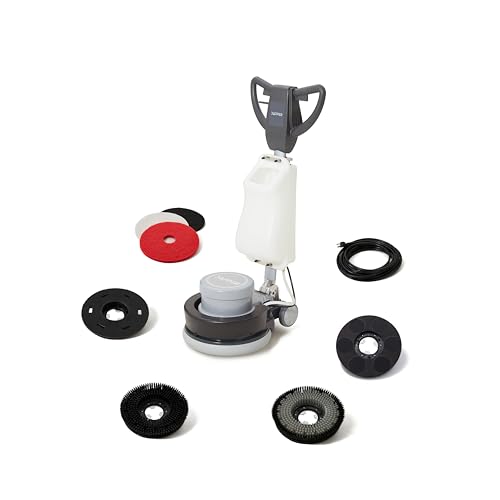
- VCT tile floor scrubber machine or orbital floor polisher for VCT floors 17 inch
- electric floor buffer polisher for VCT tiles
- microfiber mop for VCT tile cleaning
- industrial floor cleaner for vinyl composition tile
- Soft-bristle brushes and microfiber pads
- Dry mop or dust mop for initial cleaning


Before You Start
Assess the space and choose a neutral pH cleaner suitable for VCT. Protect baseboards and corners with painter’s tape if needed. Ensure proper ventilation and wear safety gear such as gloves and safety glasses. Time estimates vary by area; plan on 1–2 hours for a typical 1,000–2,000 square foot area including drying time. Avoid harsh acidic or alkaline cleaners that can dull the finish.
Step-By-Step: How To Clean VCT Tile
- Remove loose debris with a vacuum or dry dust mop to prevent scratching during scrubbing.
- Pre-treat any heavy soils with a neutral pH cleaner, letting it sit for a few minutes.
- Fill the floor scrubber or orbital polisher with the recommended cleaning solution and set to the manufacturer’s guidance for VCT tiles.
- Work in small sections, overlapping passes to ensure even coverage and to lift embedded dirt.
- Rinse the floor using clean water or a rinse setting on the machine to remove soap residue.
- Go over the area again with a damp microfiber mop to pick up remaining moisture and residue.
- Allow the floor to air-dry completely before grouting lines are re-exposed to traffic.
- Inspect for dull spots or residue and repeat cleaning on any areas that need it.
- Schedule periodic deep cleans with the industrial floor cleaner as part of maintenance.
Troubleshooting
| Symptom | Likely Cause | Fix | Prevention |
|---|---|---|---|
| Cloudy or dull finish after cleaning | Residue buildup or over-wetting | Rinse thoroughly; use less cleaning solution | Follow dilution guidance; use proper drying method |
| Scratches or dull footprints | Dirty pad or rough debris | Clean pads regularly; vacuum before scrubbing | Use soft brushes and clean pads |
| Sticky residue left behind | Excess cleaner or incompatible product | Rinse with clean water and re-clean | Choose neutral pH cleaners designed for VCT |
| Slow drying | Too much moisture or poor airflow | Increase ventilation; use lighter cleaning solutions | Ensure adequate drying time between passes |
Common Mistakes
- Using acidic or solvent-based cleaners on VCT finishes
- Over-wetting floors, especially around edges and transitions
- Skipping initial dry cleaning, which can smear dirt and scratch the surface
- Neglecting to rinse—soap residue can dull the finish over time
Tips For Best Results
- Maintain a routine cleaning schedule to prevent buildup that requires intensive scrubbing.
- Choose a neutral pH cleaner specifically labeled for VCT or vinyl tile.
- Use a high-quality microfiber mop for effective dirt pickup without damaging the surface.
- Test cleaners on a small, inconspicuous area before full-room use.
- Regularly inspect grout lines and consider resealing if the tile has grout channels.
Call A Professional
Consider contacting a professional if persistent dulling, heavy staining, or damaged finish occurs after standard cleaning, or if large commercial spaces require routine maintenance beyond DIY capabilities.
FAQ
What cleaner should I use on VCT tile?
Use a neutral pH cleaner designed for vinyl composition tile to avoid dulling the finish.
Can I use a standard household broom on VCT?
A microfiber mop or soft-bristle brush is recommended to prevent scratches and debris buildup.
How often should I deep clean VCT floors?
Deep cleaning every 1–3 months is common in high-traffic areas, with light daily maintenance in between.
Is sealant or wax required after cleaning VCT?
Typically not for standard maintenance, but some facilities apply protective coatings per manufacturer guidance to extend life.
Buying Guide
Choosing the right equipment and supplies for VCT cleaning depends on area size, traffic, and maintenance goals. Consider the following factors:
- <bSize and capacity: Larger rooms benefit from a 17-inch orbital floor polisher or a dedicated VCT tile floor scrubber machine for faster coverage.
- <bNoise level: In offices or healthcare facilities, select compact, low-noise models to minimize disruption.
- <bEnergy efficiency: Look for machines with energy-efficient motors and automatic shutoff features when idle.
- <bControls and ease of use: Simple interface with clear safety features helps reduce operator fatigue and mistakes.
- <bPlacement and storage: Choose portable units with easy cord management and compact storage options.
- <bCleaning compatibility: Ensure cleaners and pads are compatible with VCT tile to avoid finish damage.
For best results, match tools to the cleaning frequency and space type, and maintain a consistent routine to protect the tile’s appearance and longevity.