Ultrasonic humidifiers provide cool mist and efficient humidity, but mineral buildup and bacteria can affect performance and air quality. A regular, thorough cleaning routine helps maintain safety and efficiency. This guide walks through a practical, American-friendly approach using common cleaning tools.
Quick Answer
Turn off and unplug the unit. Disassemble the tank, wash all removable parts with mild soap, use a descaler tablet to dissolve mineral deposits, scrub with a dedicated cleaning brush, rinse well, dry completely, and reassemble. Repeat monthly or as needed.
What You’ll Need
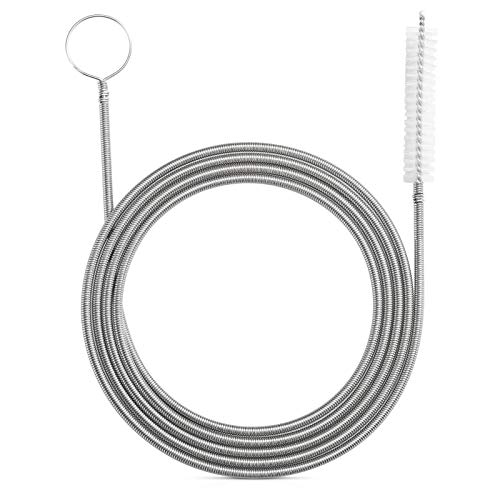
- Ultrasonic humidifier cleaning brush
- Humidifier descaler tablets mineral buildup
- Humidifier water tank cleaning brush
- Microfiber cleaning cloth for humidifier
- Drain tube brush for humidifier


Before You Start
Unplug the humidifier and empty any remaining water. Work on a clean, dry surface to catch drips. If the unit has a glass tank, handle gently to avoid cracks. Carry out cleaning in a well-ventilated area and wear gloves if you have sensitive skin. Typical cleaning time ranges from 15 to 30 minutes, depending on model and mineral buildup. Avoid harsh chemicals in contact with skin or pets and never mix cleaners unless recommended by the manufacturer.
Step-By-Step: How To Clean An Ultrasonic Humidifier
- Disassemble the humidifier: remove the water tank, nozzle or mesh screen, and any detachable components as indicated in the user manual.
- Empty and rinse: pour out residual water and rinse the tank with clean water to remove loose minerals.
- Apply descaler: dissolve one humidifier descaler tablet in warm water per package directions and fill the tank with the solution. Let it sit for the recommended contact time to dissolve mineral buildup.
- Scrub interior surfaces: use the humidifier cleaning brush to scrub the tank interior, particularly corners and the mineral-rich zones. For tight tubes, the drain tube brush for humidifier helps reach narrow passages.
- Rinse thoroughly: rinse the tank multiple times with clean water until all descaler residue is gone and the liquid runs clear.
- Clean external surfaces: wipe the exterior and any plastic components with a microfiber cleaning cloth for humidifier to remove dust and fingerprints.
- Clean the base and filters: if your model has a filter, rinse or replace it as directed; wipe the base with a damp cloth and dry completely before reassembling.
- Reassemble and test: refill with clean water, power on, and verify mist output is steady and free of odor. If needed, run a short rinse cycle with plain water afterward.
- Establish a cleaning routine: plan a quick rinse weekly and a deep clean monthly or sooner if you notice mineral residue or reduced output.
- Storage tips: allow all parts to dry completely before storing to prevent mold growth.
- Optional maintenance: consider routine descaling every few weeks in hard-water areas to prevent heavy buildup.
Troubleshooting
| Symptom | Likely Cause | Fix | Prevention |
|---|---|---|---|
| Weak or inconsistent mist | Mineral buildup blocking the ultrasonic diaphragm | Clean with the humidifier cleaning brush and descaler tablets | Descale regularly; use distilled water if possible |
| Bad odor coming from unit | Residual moisture and biofilm inside tank | Thorough rinse and sanitize with a mild diluted vinegar solution, then rinse again | Empty and dry after each use; avoid leaving water in the tank overnight |
| Water leaks from base | Improper reassembly or worn seals | Disassemble and reassemble correctly; inspect seals or gaskets | Handle parts gently; replace worn seals as recommended |
| Discolored or cloudy tank | Mineral residue or scaly buildup | Use humidifier descaler tablets and scrub with the tank brush | Regular descaling in hard-water areas |
Common Mistakes
- Using abrasive cleaners that scratch plastic components
- Skipping the descaling step or using improper concentrations
- Not drying parts thoroughly before reassembly
- Using heat or hot water on delicate parts that aren’t heat-tolerant
- Neglecting to sanitize the tank after long storage periods
Tips For Best Results
- Use distilled water to minimize mineral buildup and extend cleaning intervals.
- Schedule a quick weekly rinse and a deep monthly clean to maintain efficiency.
- Keep a dedicated cleaning brush set on hand to simplify maintenance.
- Store the unit with the tank emptied and parts dry to prevent mold growth.
Call A Professional
Contact a professional if the humidifier shows persistent odor, persistent leaks, or persistent low-output after cleaning, or if the unit is under warranty and cleaning guidance is unclear. Seek help immediately for any signs of mold growth inside the tank or base.
FAQ
How often should I clean an ultrasonic humidifier?
Clean the tank and base at least once a week with a quick rinse, and perform a full descaling monthly, especially in hard-water regions.
Can I use vinegar to clean the humidifier?
White vinegar can be used for a light sanitize and mineral removal, but follow manufacturer guidance and rinse thoroughly afterward.
What if the mist smells bad after cleaning?
Rinse thoroughly, ensure all cleaning residue is removed, and consider sanitizing with a mild solution approved by the manufacturer.
Is distilled water necessary for cleaning?
Distilled water minimizes mineral buildup and makes cleaning easier, but tap water can be managed with regular descaling.
Should I replace the filter during cleaning?
Replace or rinse filters according to the manufacturer’s schedule; some models have non-removable filters that still benefit from a wipe-down.
Can I clean components in the dishwasher?
Check the user manual; many parts are not dishwasher-safe and may warp or degrade from heat.
Buying Guide
When choosing an ultrasonic humidifier, consider size and room coverage, noise level, energy efficiency, controls, and placement. For bedrooms or small offices, a compact unit with a low-Decibel rating is ideal. For larger spaces, look for higher mist output and a straightforward cleaning routine. Consider models with accessible tanks, clear indicator lights for water levels, and compatible accessories like the drain tube brush for humidifier or dedicated cleaning brushes. If mineral buildup is a concern, prefer units compatible with descaler tablets and easy tank access for descaling. Finally, check warranty details and ensure replacement parts are readily available to maintain long-term performance.