Seagulls can turn rooftops into noisy, messy spaces. This guide explains practical, humane methods to deter seagulls from roofs using commonly available deterrents and installation-friendly kits. It focuses on safety, effectiveness, and long-term results for American homes.
Readers will learn a structured approach that combines physical barriers with deterrents, giving property owners options that suit different roof types and budgets.
Quick Answer
Choose a layered approach: install roof-safe barriers like spikes or netting, supplement with humane deterrents such as reflective tapes or solar-powered ultrasonic devices, and combine adjustments to seagull access points. Start with non-invasive products and scale up if birds persist.
What You’ll Need
- Plastic bird spikes for roof installation kit
- Ultrasonic bird repeller solar powered roof
- Roof bird deterrent spikes solar powered
- Bird netting for roof installation kit
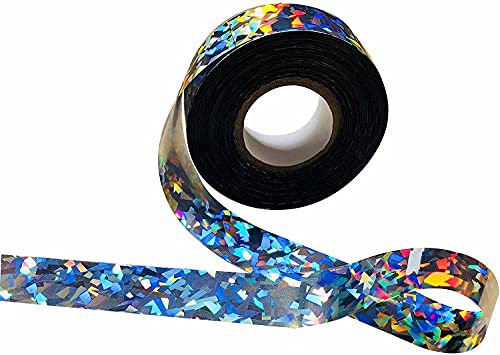
- Reflective roof deterrent tape for seagulls


Before You Start
Assess the roof area for gull access, especially eaves, chimneys, and roof vents. Ensure ladders and safety gear are used, and never work on a wet or windy roof. Wear eye protection and a harness if required by your local regulations. Estimate time: a few hours for initial setup, with ongoing maintenance every season.
Safety tip: deter birds without harming them. Dispose of droppings with disposable gloves and a mask if needed, and clean surfaces to maintain traction after installation.
Step-By-Step: How To Get Rid Of Seagulls On Roof
- Identify gull hotspots: locate roosting edges, peak vents, and near HVAC units where droppings accumulate and birds perch.
- Prepare the surface: remove loose debris and wash the area to improve the adhesion or effectiveness of deterrents.
- Install roof spikes where gulls commonly perch: place plastic bird spikes along ridges and ledges to prevent resting spots without harming birds.
- Apply reflective deterrents: affix reflective roof deterrent tape on exposed areas to create random flashes that deter gulls during daylight.
- Position solar deterrents: mount ultrasonics and solar-powered deterrents where they have direct sun and a clear line of sight to the gulls’ usual flight paths.
- Install roof netting where large ledges or flat sections attract flocks: ensure netting is taut and securely fastened to prevent entanglement or damage to the roof.
- Secure all devices: check screws, clips, and weatherproof seals to prevent loosening during storms or high winds.
- Test the system: activate deterrents and observe for changes in gull behavior over a 1–2 week period, adjusting placements as needed.
- Maintain a clean roof: remove nesting materials and droppings regularly to discourage new attempts by gulls and to maximize deterrent effectiveness.
- Evaluate potential gaps: fill any new perching opportunities with additional spikes or netting as gulls adapt to deterrents.
- Schedule seasonal checks: inspect for wear, battery health in solar devices, and the integrity of tapes and nets before migratory periods.
- Document results: note areas where gulls persist and plan targeted reinforcement in those zones.
Troubleshooting
| Symptom | Likely Cause | Fix | Prevention |
|---|---|---|---|
| Seagulls still roost on ledges after installation | Deterrents blocked or ineffective on certain spots | Reposition spikes and tapes to cover uncovered ledges | Regularly inspect and refresh placements |
| Deterrents seem to stop working in winter | Devices need maintenance or weather-related wear | Check solar panels, clear debris, replace damaged components | Seasonal checks and weatherproofing |
| Birds bypass netting by lower gaps | Netting edges not secured or large gaps exist | Resecure edges and add extra netting sections | Install with tension and proper fasteners |
| Noise or flashing irritates residents | Tape or devices misaligned | Reposition to minimize nuisance while keeping deterrence | Use humane, non-intrusive placements |
Common Mistakes
- Over-reliance on a single method; birds quickly adapt to one deterrent.
- Installing deterrents in hidden or shaded areas where gulls cannot see them.
- Using sharp spikes near fragile roofing materials or gutters without proper support.
- Neglecting routine maintenance, leading to device failure or reduced effectiveness.
- Blocking roof vents or chimneys in ways that create other moisture or airflow issues.
Tips For Best Results
- Combine deterrents for a layered defense: spikes for perches, netting for large areas, and reflective tape for visibility.
- Orient deterrents to disrupt flight paths without attracting wildlife to other parts of the property.
- Choose solar-powered devices to minimize wiring and maintenance, especially on larger roofs.
- Schedule annual inspections after migratory cycles to catch wear and reposition deterents as needed.
- Keep nearby trash cans secure and remove food sources that attract gulls to the vicinity.
Call A Professional
Temporary or stubborn gull activity may require a professional assessment, especially on steep, tall, or complex roofs. Stop signs to contact a pro include: persistent roosting in hard-to-reach areas, signs of roof damage, or if installation involves structural work beyond home DIY scope. A licensed wildlife control or roofing contractor can ensure humane, compliant deterrents and proper installation.
FAQ
What is the most effective deterrent for seagulls on a roof?
Combining physical barriers like spikes and nets with reflective tape or solar deterrents often yields the best results.
Are these deterrents humane and safe for birds?
Yes. The goal is to discourage perching and access while avoiding harm to birds.
Can I install deterrents myself, or should I hire a pro?
Many products are DIY-friendly, but complex roofs or large properties may benefit from professional installation.
How long do solar-powered devices last?
Device lifespans vary but typically require periodic battery checks and cleaning, especially after winter.
Will deterrents damage the roof?
When installed correctly with proper mounting hardware, deterrents should not damage roofing materials.
How often should I maintain deterrents?
Inspect quarterly and after severe weather; clean panels and check fasteners at least twice a year.
Do deterrents work year-round?
Effectiveness can vary with season and gull behavior; combining multiple methods improves year-round results.
Buying Guide
Choosing the right deterrents involves evaluating roof size, gull activity, and maintenance willingness. Consider size and spacing of rooftops when selecting spikes or nets, aim for materials that resist corrosion and withstand wind, and choose devices with weatherproof enclosures. Noise and visibility levels matter for occupants and neighbors, so balance deterrent visibility with residential comfort. Energy efficiency matters for solar-powered devices, ensuring they receive adequate sun exposure. Controls should be straightforward, and installation options should fit the roof profile—gable, flat, or low-slope. Placement matters: cover known gull roosts first, then expand coverage to adjacent edges and vents. For a comprehensive setup, a mix of spikes, netting, reflective tape, and solar deterrents often provides the best long-term results. Would a layered plan fit your roof type and neighborhood situation? A tailored inspection can guide the right combination of deterrents for steady success.