Root rot remnants can linger in a garden or potted plant even after initial treatment. This guide provides practical steps using common tools and targeted actions to prevent recurrence, protect existing plants, and improve soil conditions.
By following a structured approach—monitoring moisture, improving drainage, and carefully handling diseased roots—gardeners can reduce the chances of relapse and support healthier growth over time.
Quick Answer
Identify affected roots, prune away diseased portions, improve drainage, and monitor soil moisture. Use a soil moisture meter and a soil pH tester to tailor care. If drainage is poor, employ a drainage auger or adjust irrigation to prevent overwatering. For recurring issues, consider root pruning and adjusting tools and techniques to minimize stress on plants.
What You’ll Need
Gather tools and materials to address root rot remnants and prevent future problems. The list below aligns with common root rot prevention and remediation needs.
- Soil moisture meter for plants root rot prevention
- Soil pH tester kit for root rot prevention
- Drainage auger garden tool
- Root pruning shears for removing diseased roots
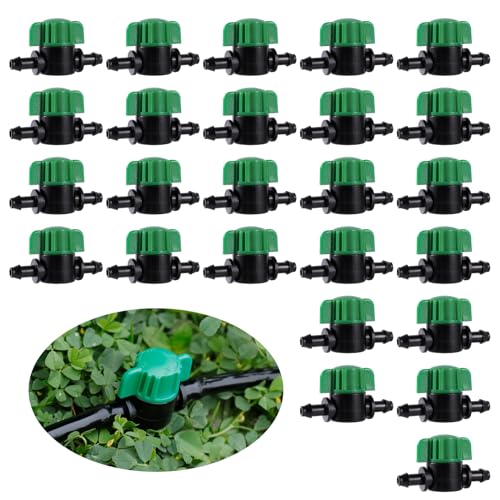
- Drip irrigation tool with adjustable flow for preventing overwatering


Before You Start
Assess the site and plant condition before beginning. Clear the area of debris and ensure you have a clean workspace to prevent spreading pathogens. Prepare a quarantine zone for any new or heavily infected plants. Critical cautions include wearing gloves, sanitizing tools between plants, and avoiding injury to healthy roots. Time estimates vary by garden size but plan several hours for a single plant with extensive rot and longer for larger beds.
Step-By-Step: How To Remove Root Rot Remnant And Prevent Recurrence
- Inspect the plant and gently remove the soil around the root zone to expose affected roots.
- Use root pruning shears to trim away all clearly diseased or blackened roots, leaving white, firm tissue.
- Dip or wipe pruning blades between cuts to reduce the chance of spreading pathogens.
- Inspect the remaining root system, reassess the plant’s stability, and trim additional damaged areas as needed.
- Rinse the root ball with clean water to remove loose debris, then let it dry lightly in a shaded area.
- Amend the planting hole or bed soil with well-draining mix and incorporate organic matter to improve aeration.
- Install or adjust a drip irrigation system with adjustable flow to prevent overwatering and waterlogging.
- Place the plant back in its hole or transplant into fresh soil, ensuring the crown is above the water line to reduce moisture buildup.
- Set up ongoing monitoring with a soil moisture meter and adjust irrigation based on readings and plant needs.
- Test soil pH and address imbalances that may contribute to disease susceptibility; aim for a range appropriate to the plant species.
- Label the area and schedule periodic checks to catch early signs of relapse, adjusting care as necessary.
- Consider replacing severely compromised specimens and rotate plantings to minimize disease pressure in the area.
Troubleshooting
| Symptom | Likely Cause | Fix | Prevention |
|---|---|---|---|
| Soil stays soggy after watering | Poor drainage or overwatering | Improve drainage; cap irrigation flow | Use soil moisture readings to guide watering |
| Leaves yellow or wilt despite moisture control | Root damage or disease; pH imbalance | Trim damaged roots; test and adjust pH | Regular monitoring and balanced nutrients</ |
| New growth is stunted or discolored | Residual pathogens or stressed roots | Care with gentler watering; ensure air in soil | Quarantine new plants and inspect roots |
| Persistent soil odor or slimy roots | Ongoing root rot infection | Replant in fresh, well-draining soil or replace plant | Improve drainage and avoid overwatering |
Common Mistakes
- Sonnecting and replanting in the same soil without addressing drainage and soil structure
- Using dull pruners that crush tissue and spread infection
- Overwatering after pruning in an attempt to “water in” the plant
- Neglecting to test soil pH and relying solely on moisture control
Avoid these pitfalls by maintaining clean tools, following precise pruning cuts, and incorporating soil health practices into routine care.
Tips For Best Results
- Regularly monitor soil moisture with the soil moisture meter for plants root rot prevention to prevent recurrence.
- Pair a soil pH tester kit with amendments that align with plant needs to reduce stress and disease susceptibility.
- Use a drainage auger garden tool to loosen compacted soil and improve drainage in beds with dense soil.
- Adjust drip irrigation to fractionally water, allowing soil to dry slightly between triggers to prevent waterlogging.
Call A Professional
Consider a professional if disease spreads beyond a few roots, the plant is valuable, or you suspect a complex soil-borne pathogen. Stop signs include widespread wilting, persistent odor, or extensive root rot after multiple remediation attempts. A pro can provide targeted soil treatments, diagnose unfamiliar pathogens, and advise on safe replanting strategies.
FAQ
Can root rot remnants return after pruning?
Yes, if soil conditions remain unfavorable or pathogens persist in the root zone, reinfection is possible without ongoing monitoring.
Is it safe to reuse the same soil?
Reuse is discouraged if root rot was detected; replace with well-draining soil and amend to improve structure.
How often should I check soil moisture?
Check weekly during growing seasons and after heavy rainfall or drought to maintain ideal moisture levels.
What role does soil pH play in root rot prevention?
Soil pH can influence disease pressure and nutrient availability; maintain species-appropriate pH for healthier roots and resilience.
Buying Guide
When choosing tools and supplies to prevent and treat root rot, consider size, usability, and compatibility with your garden setup. For moisture control, select a reliable soil moisture meter that provides clear readings and is easy to calibrate. A soil pH tester kit helps you tailor amendments to your plant’s needs. Drainage augers and root pruning shears should offer clean cuts and be easy to sanitize between plants. A drip irrigation tool with adjustable flow helps regulate watering without overdoing it. Evaluate how these tools fit your garden size, how noisy or discreet the devices are, and how they integrate with existing irrigation systems. Look for easy maintenance, clear instructions, and a good warranty to ensure long-term reliability.