Keeping a kitchen sink disposal clean helps prevent odors, clogs, and corrosion. This guide provides practical steps, safety notes, and product recommendations to help American homeowners maintain a hygienic and efficient disposal system.
Quick Answer
Run cold water, turn on the disposal, and feed it ice or citrus cleaner tablets to scrub the blades. Use a long-handled cleaning brush or wand to clean the sides, then flush with water. For stubborn jams, gently use an auger snake to clear the line from the sink drain. Finish with a citrus cleaner to leave a fresh scent.
What You’ll Need
- Garbage disposal cleaning brush long-handled
- Garbage disposal cleaning wand flexible bristle
- Citrus garbage disposal cleaner tablets
- In-sink garbage disposal maintenance kit
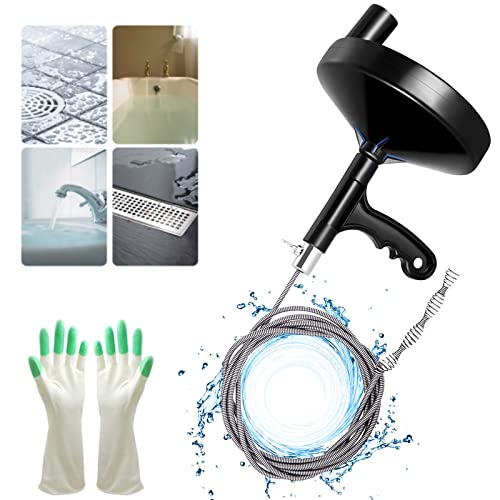
- Garbage disposal auger snake plumber’s snake


Before You Start
Before you begin, confirm the disposal is powered off to prevent accidental activation. If your model has a reset button on the bottom or side, unplug the unit or switch off the circuit briefly. Clear the area of large scraps and wipe down the surrounding countertop and sink. Time estimate: 15–25 minutes for a routine clean; longer if clearing a jam. Safety tip: never put your hand inside the disposal, and avoid using chemical drain cleaners that can damage seals or pipes.
Step-By-Step: How To Clean A Kitchen Sink Disposal
- Disconnect power and verify the disposal is off; if you have a wall switch, switch it off and unplug the unit.
- Rinse the disposal with cold water for 15–20 seconds to loosen debris.
- Turn on the cold water and run the disposal for 10–20 seconds while adding ice cubes or citrus cleaner tablets to dislodge buildup.
- Insert the long-handled brush or wand into the disposal and scrub the interior walls, focusing on hard-to-reach grooves and the splash guard.
- Remove any visible debris by hand from the splash guard; use tongs if needed to avoid contact with blades.
- For stubborn odors, drop in a citrus-based cleaner or run a known waste-disposal-safe cleaner tablet, then run cold water while the unit operates.
- If there is a clog or sluggish flow, insert the garbage disposal auger snake into the drain opening and gently rotate to dislodge the obstruction; pull back slowly and repeat as needed.
- Flush once more with cold water while running the disposal to clear remaining material and debris.
- Wipe the exterior with a damp cloth and reassemble any components; place a citrus cleaner tablet in the tray if your unit has one, then run a final short cycle with cold water.
- Finally, reset the disposal if your model requires it and test for a fresh, quiet operation.
- Schedule routine cleanings every 1–3 months and after cooking sessions to maintain performance.
Troubleshooting
| Symptom | Likely Cause | Fix | Prevention |
|---|---|---|---|
| Disposal runs but no grinding | Debris stuck on blades | Use long-handled brush to scrub interior; clear splash guard | Regular cleaning after use |
| Unpleasant odor | Accumulated organic material | Clean interior with citrus cleaner tablets | Feed waste in small pieces and run water |
| Water drains slowly | Partial clog in trap or pipe | Use auger snake to clear; check for flute jams | Avoid fibrous materials reaching disposal |
| Disposal trips breaker | Overload or jam | Turn off, unplug, remove debris, reset | Don’t force items; run cold water during use |
Common Mistakes
- Pouring hot water or pouring grease down the disposal
- Using chemical drain cleaners that can corrode seals
- Ignoring unusual noises or slow drainage
- Using hands or implements beyond the splash guard to remove jams
Being mindful of these missteps helps extend the life of the disposal and reduces the need for professional service.
Tips For Best Results
- Run cold water before, during, and after grinding to minimize heat and prevent damage to seals.
- Use ice cubes or citrus cleaner tablets to help scrub away buildup without damaging blades.
- Clean the splash guard and Baffle regularly to prevent trapped debris.
- Schedule maintenance checks if the disposal is unusually loud or sluggish after use.
- Keep a small bowl of cleaning solution on hand for periodic quick cleans.
Call A Professional
Seek professional help if the disposal continues to emit foul odors after cleaning, if there is persistent clog despite using an auger, or if the unit trips circuits repeatedly. Do not attempt major disassembly beyond the user-replaceable parts, and avoid attempting to repair electrical components yourself.
FAQ
Can I use vinegar to clean my garbage disposal?
Vinegar is safe in small quantities, but avoid strong acids that can damage seals over time. Use citrus cleaners or baking soda followed by water for odor control.
Is it safe to put ice in the disposal for cleaning?
Yes, ice helps scour the interior and dislodge buildup without harming blades. Follow with water and running disposal.
How often should I clean my disposal?
Most households benefit from a clean every 1–3 months, or after heavy cooking days when grease and fibrous waste are common.
What should I do if the disposal won’t turn on?
Check the switch and circuit; reset the unit if applicable. If still unresponsive, consult a professional.
Are there foods that should never go in a disposal?
Avoid fibrous materials like celery, coffee grounds in large quantities, eggshells, and grease or oil that can solidify and cause jams.
Can I use a commercial cleaner in my disposal?
Use cleaners designed for garbage disposals and follow the manufacturer’s instructions to prevent damage.
Should I run the disposal with a garbage disposal cleaner tablet?
Yes, but ensure it is compatible with your model and use according to instructions for best results.
Buying Guide
When choosing cleaning tools for a kitchen sink disposal, consider size, compatibility, and ease of use. A long-handled brush reaches the interior and splash guard without putting hands near blades. A flexible-bristle wand can access tight spaces, while citrus cleaner tablets offer a convenient odor-fighting option. An in-sink maintenance kit can provide all essential components in one package, including an auger snake for occasional clogs. Look for rust-resistant materials, ergonomic handles, and compatibility with typical under-sink plumbing. For households with frequent disposal use, a 2–3 minute routine weekly care plan can help maintain efficiency and reduce unpleasant odors.