Walnut wood adds rich color and depth to furniture, but its natural oil and finish can be sensitive to harsh cleaners. This guide explains practical methods to clean walnut wood, protect its shine, and restore luster without damaging the surface. Readers will learn how to choose the right products and apply them correctly for lasting results.
From everyday dusting to deep conditioning, these steps focus on safe, American-friendly practices using commonly available walnut-friendly products.
Quick Answer
Keep it simple with a walnut wood furniture cleaner spray for routine cleaning, followed by a conditioner oil or wood polish wax for maintenance. Use microfiber cleaning cloths for gentle, lint-free results, and reserve tung oil for occasional finish restoration.
What You’ll Need
- Walnut wood furniture cleaner spray
- Microfiber cleaning cloths for wood furniture
- Walnut wood conditioner oil for furniture
- Wood polish wax for walnut furniture
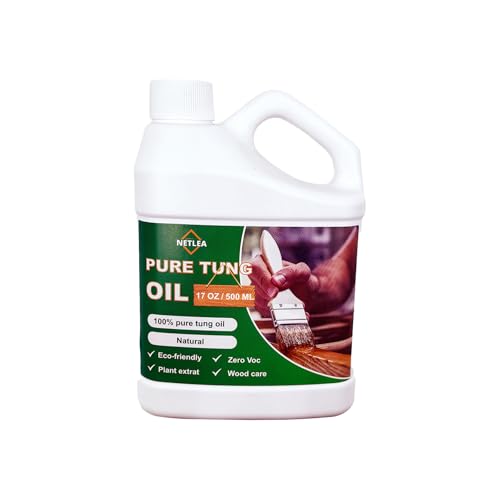
- Tung oil for walnut wood finish restoration


Before You Start
Before cleaning, protect surrounding surfaces with a soft drop cloth and avoid direct sunlight or heat sources which can dry wood too quickly. Test any product in an inconspicuous area first to check for color change or residue. Plan for a 20–40 minute session for routine cleans, longer for conditioning or finish restoration. Do not use abrasive pads or ammonia-based cleaners on walnut wood.
Step-By-Step: How To Clean Walnut Wood
- Dust with a dry microfiber cloth to remove surface dirt and prevent scratching.
- Lightly spray a walnut wood furniture cleaner spray onto a clean microfiber cloth, never directly onto the wood.
- Wipe along the grain in smooth, even strokes to lift dirt without disturbing the finish.
- For sticky spots, apply a second pass with a slightly damp cloth, then dry immediately with a dry microfiber cloth.
- Inspect for any dull areas. If needed, apply a small amount of walnut wood conditioner oil on a fresh cloth and buff gently in circular motions.
- Allow a few minutes for the conditioner to absorb, then buff with a clean cloth to restore shine.
- For routine maintenance, apply a thin layer of wood polish wax and buff to a soft glow, following the manufacturer’s directions.
- Occasionally, restore deeper finishes using tung oil by applying a thin coat with a clean cloth, letting it cure per product instructions, and buffing to remove excess.
- Reassess the surface after 24 hours; remove any remaining haze with a light wipe and re-buff as needed.
- Schedule periodic conditioning every 3–6 months to maintain luster and guard against drying or cracking.
- Store products in a cool, dry place away from heat, moisture, and direct sunlight to prolong effectiveness.
Troubleshooting
| Symptom | Likely Cause | Fix | Prevention |
|---|---|---|---|
| Cloudy haze after waxing | Residual wax is left on surface | Buff with a clean cloth until haze disappears | Apply thin coats and buff between layers |
| Sticky finish after oil application | Too much oil or insufficient drying time | Wipe excess, let dry fully, then buff | Use minimal oil per application |
| Scratches or minor dulling | Wear or micro-scratches from cleaning | Gently reapply conditioner or polish as appropriate | Use microfiber cloths and gentle strokes |
| Discoloration after cleaning | Incompatible cleaner or old residue | Test in small area, switch to recommended cleaner | Regular, mild maintenance only |
Common Mistakes
- Using harsh chemical cleaners on walnut finishes
- Applying cleaners directly to wood rather than to cloth
- Over-wetting the surface, which can cause swelling or warping
- Skipping a buff or dry step after conditioning or waxing
Tips For Best Results
- Always wipe with the grain to minimize visible scratches.
- Test new products on a hidden area before full use.
- Dust regularly to reduce buildup and maintain sheen.
- Use a dedicated microfiber cloth for wood to avoid lint transfer.
Call A Professional
Consider a pro if walnut surfaces show deep staining, extensive finish damage, or if refinishing requires stripping old coatings. Seek expert help for architectural woodwork, antique pieces, or large-scale restoration projects where improper finish removal could reduce value or integrity.
FAQ
Can I use standard furniture cleaner on walnut wood?
Yes, but choose a product formulated for wood and avoid harsh chemicals that can strip the finish.
How often should I condition walnut wood furniture?
Every 3–6 months, or whenever the wood appears dull or dry.
Is tung oil safe for walnut wood?
Yes, tung oil is suitable for finish restoration when used as directed and in thin coats.
What’s the best way to remove water rings on walnut?
Lightly buff with conditioner oil and a soft cloth, then reseal with polish or wax as needed.
Buying Guide
Choosing the right walnut care products hinges on how you plan to care for the piece, its finish type, and the environment. Consider the following factors to make an informed purchase:
- <bSize and surface type: Large tabletops or stacked bookcases may require more product per application; smooth surfaces respond differently to wax versus oil.
- <bNoise level: Not applicable here; focus on ease of use and finish quality.
- <bEnergy efficiency: Not applicable here; this is a care guide.
- <bControls: Look for clear instructions and simple spray or wipe-on formats that fit your routine.
- <bPlacement: Keep products away from direct sunlight and heat; store in a cool, dry location to preserve effectiveness.
- <bCombined benefits: Some cleaners include conditioning oils or waxes for a combined cleaning and polishing effect; evaluate if your furniture needs both cleaning and conditioning in one step.
- <bBrand compatibility: Choose walnut-specific products when possible to ensure compatibility with your finish.
For most households, a balanced kit that includes a walnut wood furniture cleaner spray, microfiber cloths, walnut wood conditioner oil, and a lighter wax or polish provides the best routine care. If the piece shows signs of dulling or wear, a targeted tung oil treatment can refresh the finish without stripping existing varnish. Do you prefer a simple routine or a more robust refinishing plan? Your choice should align with the piece’s age, use, and the local climate.