Rust stains in a toilet bowl can be stubborn, but with the right approach and household products, removal is achievable without harsh scrubbing. This guide outlines practical steps using common rust-removal tools designed for kitchen and bathroom upkeep.
Readers will learn safe prep, step-by-step techniques, and how to choose the right products to keep stains from returning. The emphasis is on practical solutions that homeowners can apply with confidence.
Quick Answer
Best overall approach: use a rust stain remover gel or spray designed for toilets, followed by a gentle abrasive like a pumice stone for tough spots. For persistent stains, a toilet bowl rust remover kit can simplify application and disposal. Always test on a small area first and avoid metal contact with the porcelain edge.
What You’ll Need
- Toilet bowl rust remover kit
- Pumice stone for toilet rust stains
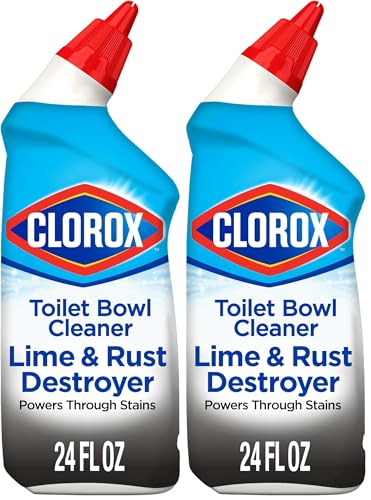
- Toilet bowl rust stain remover gel
- Rust stain remover spray for toilet
- Toilet cleaning kit rust stains
<li Optional disposable gloves and old towels for cleanup


Before You Start
Assess the stain type: mineral-based rust forms reddish-brown rings or streaks under the rim. Wear protective gloves and ensure the bathroom is well-ventilated. Avoid mixing chemical cleaners together, which can release dangerous fumes. Turn off the water supply if you plan to scrub below the water line, and flush to wet the bowl before applying products. Expect 15–45 minutes for most treatments, plus possible repeat applications for stubborn stains.
Step-By-Step: How To Remove Rust From A Toilet Bowl
- Empty the toilet bowl by flushing; if needed, remove excess water with a sponge or towel to expose the stain.
- Apply a toilet bowl rust stain remover gel or rust stain remover spray for toilet directly onto the stained area, coating the ring and affected walls.
- Let the product sit for the time stated on the label to allow chemical action to break down mineral deposits.
- Use a pumice stone for toilet rust stains with gentle, circular motions to lift set-in stains. Keep the stone wet to avoid scratches.
- For heavy stains, repeat application and stone use in short bursts rather than prolonged scrubbing.
- Rinse by flushing and scrubbing with a toilet brush to remove loosened material and product residues.
- If any stain remains, apply the stain-removal kit according to its instructions and re-flush after the recommended dwell time.
- Finish with a bathroom-safe cleaner to remove residue and prevent future buildup. Consider sealing the bowl with a rust-prevention sanitizer if recommended by the product.
- Inspect the bowl for even coloration; repeat steps if necessary, and store products out of reach of children and pets.
- Document any recurring stains and consider routine maintenance with a dedicated rust-removing product to minimize future buildup.
Troubleshooting
| Symptom | Likely Cause | Fix | Prevention |
|---|---|---|---|
| Stains persist after gel treatment | Stain is mineral-rich or porcelain surface is etched | Use a pumice stone with light pressure; reapply gel | Routine cleaning to prevent mineral buildup |
| Streaks stay after flushing | Product residue or water mineral deposits | Flush with clean water, scrub gently, wipe dry | Regular maintenance using rust-removal products |
| Discoloration worsens | Wrong product for porcelain or reaction with cleaner | Stop using current product; switch to toilet-safe rust removers | Test products on a small area first |
| Stone scratches the porcelain | Excessive pressure or dry stone use | Wet the stone and use light pressure | Keep stone wet and replace if heavily worn |
Common Mistakes
- Using abrasive cleaners on delicate porcelain without a test spot
- Mixing multiple rust-removal chemicals, which can create harmful fumes
- Waiting too long before rinsing after application, leading to residue buildup
- Over-scrubbing with metal tools that can scratch the glaze
Tips For Best Results
- Always read product labels for dwell time and safety precautions before use
- Test in a small, inconspicuous area before full application
- Keep a dedicated set of tools for rust removal to avoid cross-contamination
- Rinse thoroughly after treatment to prevent lingering chemical residue
- Consider an ongoing maintenance routine with a rust-removal kit to prevent buildup
Call A Professional
Seek professional help if rust stains cover large areas, recur despite treatment, or if there is suspected in-tank corrosion affecting water quality. If products cause skin irritation, breathing issues, or chemical fumes become strong, stop use immediately and consult a professional.
FAQ
Can rust stains in a toilet be removed without harsh chemicals?
Yes, with milder rust removers and a pumice stone, though tougher stains may require stronger products designed for toilets.
Are pumice stones safe for porcelain toilets?
When used wet and with light pressure, pumice stones are generally safe on porcelain, but avoid aggressive scrubbing near the glaze.
How often should I treat rust stains?
For best results, perform a light treatment monthly and address new spots promptly to prevent buildup.
Will rust stains return after cleaning?
Rust can reoccur if there is ongoing water mineral content or metal fixtures contributing to staining; regular maintenance helps prevent it.
Can I mix different rust-removal products?
No. Mixing products can create dangerous fumes or reactions; follow each product’s instructions separately.
Is a rust-removal kit worth it?
For frequent stains or large bathrooms, a kit can simplify application and storage, but individual products also work well.
Buying Guide
When selecting a rust-removal solution for toilet bowls, consider several factors to ensure effective and safe use, especially for American homes. The following guidance helps compare options and choose the right product set.
Size and Coverage
Choose a kit or bottle that covers the stain area efficiently. For small bathrooms, a standard bottle may suffice; larger households may benefit from a multi-pack or a kit with multiple applicators.
Effectiveness On Tough Stains
Gel and spray formulations typically offer different dwell times and efficacy. Gel tends to cling to vertical surfaces, while sprays can reach under rims more easily. A pumice stone can supplement gel or spray when stubborn stains persist.
Surface Safety
Verify that products are labeled safe for porcelain and glazed surfaces. Some cleaners are optimized for tough mineral deposits but may be harsher on glaze if misused. Always perform a test spot.
Ease Of Use
Consider products with clear directions and minimal mixing requirements. Pre-measured kits reduce guesswork and help maintain consistent results.
odor and Ventilation
Choose low-odor formulas when possible and ensure good bathroom ventilation during use to minimize fumes.
Placement And Storage
Store cleaners away from children and pets, preferably in a cabinet with a secure latch. Keep bottles upright and away from heat sources.
Cost And Availability
Assess the price per use and availability in local stores or online. A kit with multiple tools may offer better value for frequent maintenance.
Safety And Warnings
Check for warnings about skin contact and inhalation. Use gloves, avoid mixing products, and follow disposal guidelines for used applicators and containers.