Steam cleaning offers a chemical-free way to refresh floors, fabrics, and surfaces. This guide explains how to choose the right equipment, prepare your space, and perform steam cleaning safely and effectively in American homes.
Quick Answer
Identify the right tool for the job, fill the water reservoir, pre-clean visibly dirty areas, use steady, overlapping motions, and allow surfaces to dry completely before reuse. For homes with varied tasks, a multi-surface steam cleaner system with versatile attachments provides the most flexibility.
What You’ll Need
- Handheld steam cleaner for upholstery and grout
- Carpet steam cleaner machine with wand and upholstery tool
- Steam mop for hardwood floors with scrub brush attachment
- Garment steamer handheld professional continuous steam
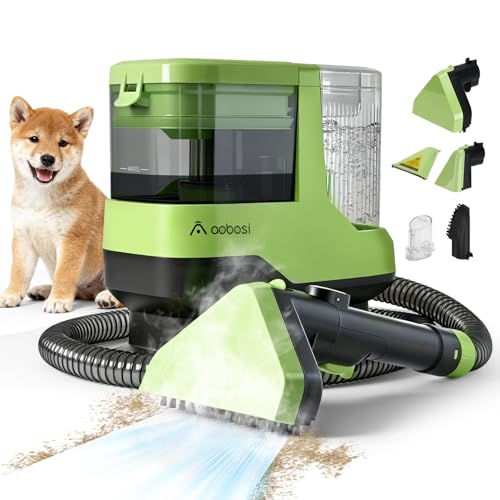
- Multi-surface steam cleaner system with floor nozzle attachments


Before You Start
Ensure the chosen tool is designed for the target surface and read the user manual for safety instructions. Remove loose items, protect electronics, and ventilate the area. Time estimates vary by job: small fabric items may take 15–30 minutes, while full room cleans can take 60–90 minutes. Never steam directly on delicate surfaces without a compatible attachment or testing a hidden area first.
Step-By-Step: How To Steam Clean
- Define the cleaning goal and select the appropriate tool for the surface (upholstery, grout, floors, or fabrics).
- Fill the water reservoir with clean distilled or demineralized water if available, and preheat the device as instructed.
- Pre-clean loose dirt with a dry cloth or gentle brush to reduce surface debris before steaming.
- For upholstery and fabrics, test a hidden area, then steam in slow, even passes with the upholstery tool to lift dirt.
- For grout lines, use the handheld tool with a narrow nozzle and work along the joints in small sections.
- For floors, equip the floor nozzle or scrubbing brush attachment and use overlapping strokes, moving from clean to dirty areas.
- Allow steamed surfaces to air-dry completely before reusing rooms or replacing furniture.
- Store the device with the tank empty and attachments dry to prevent mineral buildup and prolong life.
Troubleshooting
| Symptom | Likely Cause | Fix | Prevention |
|---|---|---|---|
| Diminished steam | Low water level or mineral buildup | Refill and descale if needed | Use distilled water and regularly clean the nozzle |
| Leaking from reservoir | Faulty seal or loose cap | Check seals and tighten cap; replace if damaged | Inspect seals during maintenance |
| Surface feels wet after use | Over-wetting or improper technique | Use shorter passes and allow longer drying time | Ventilate rooms and dry promptly |
| Unpleasant odor | Residual dirt or mold in device | Run a cleaning cycle with plain water | Regular cleaning after heavy use |
Common Mistakes
- Using steam on surfaces that are not heat- or moisture-rated for cleaning
- Overlapping passes without allowing drying time
- Using hard water or ignoring mineral buildup in the device
- Neglecting test patches on delicate fabrics or finishes
Tips For Best Results
- Always follow the manufacturer’s attachment guidelines for each surface type
- Use the appropriate temperature and steam intensity settings when available
- Combine steam cleaning with pre-vacuuming to maximize dirt removal
- Schedule periodic descaling to maintain peak performance
- Ventilate spaces and allow ample drying time to prevent moisture damage
Call A Professional
Consider a professional if: significant stains persist after multiple steam passes, delicate materials show signs of damage, or you require large-scale steam cleaning across multiple rooms in a short timeframe. Seek expert help for upholstery, antique fabrics, or moisture-sensitive floors.
FAQ
What surfaces can I steam clean?
Most hard floors, tiles, grout, upholstery, curtains, and certain fabrics can be steamed with appropriate attachments.
Is steam cleaning safe for hardwood floors?
Yes, with a dedicated steam mop and a suitable attachment, but avoid excessive moisture and test a hidden area first.
Do I need special water for steam cleaning?
Distilled or demineralized water helps prevent mineral buildup; use tap water if recommended by the device manufacturer.
How long does it take to dry after steam cleaning?
Drying times vary by surface and ventilation, but most surfaces dry within 30–60 minutes.
Can I use steam for removing stubborn stains?
Steam can lift many stains, but for set-in or oily stains, pre-treat with an appropriate cleaner and test first.
Is steam safe around pets and children?
Operate device away from pets and kids, ensure rooms are well-ventilated, and avoid direct steam contact with skin.
How often should I descale a steam cleaner?
Follow the manufacturer’s recommended schedule, typically after every 20–40 hours of use or when mineral deposits appear.
Buying Guide
When selecting a steam cleaning system, consider size, noise, energy usage, control options, and placement flexibility. A multi-surface steam cleaner system with floor nozzle attachments offers the broadest capabilities for homes with varied cleaning needs. If most tasks involve upholstery and grout, a handheld steam cleaner paired with a carpet steam cleaner machine can streamline workflows. For households with extensive hard-surface floors, a steam mop with a scrub brush attachment provides efficient floor care. Look for devices with continuous steam options, easy refill, and reliable safety shutoffs. Evaluate weight and cord length for ease of use in tight spaces, and check for compatibility with replacement parts and accessories to extend the life of the machine.