Mango wood, prized for its warm tones and distinctive grain, requires careful cleaning to maintain its natural beauty. This guide provides practical steps for cleaning mango wood, protecting its finish, and extending the life of furniture crafted from this sustainable material.
Use a soft microfiber cloth to remove dust, apply a mango wood cleaner spray for routine cleaning, and follow with a beeswax wood conditioner to nourish the surface. Avoid harsh chemicals and never soak the wood. For routine upkeep, a furniture care kit can simplify the process.
What You’ll Need
- Mango wood cleaner spray for daily cleaning and gentle buildup removal
- Food-grade mineral oil for wood furniture to refresh dry areas (use sparingly)
- Microfiber cloth for wood furniture cleaning to wipe without scratching
- Beeswax wood conditioner for mango wood to seal and nourish the surface
- Furniture care kit wood polish and cleaning for regular maintenance


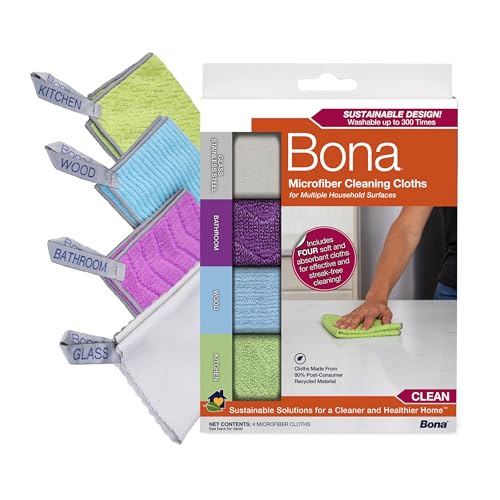
Before You Start
Inspect the mango wood for deep scratches, water rings, or finish wear. Test any product on an inconspicuous area before full application. Work in a well-ventilated area and use a soft, lint-free microfiber cloth. Allow any conditioner or oil to penetrate for several minutes, then wipe away excess. Typical cleaning sessions take 10–20 minutes for a standard table or cabinet. Important: avoid ammonia-based cleaners, abrasive pads, or soaking wood, as these can dull the finish or cause warping.
Step-By-Step: How To Clean Mango Wood
- Dust the surface with a microfiber cloth for wood furniture cleaning to remove loose particles.
- Lightly dampen the cloth with water only if needed, then wipe in the direction of the grain to lift dirt.
- If spots persist, apply mango wood cleaner spray to a clean cloth and wipe gently, never directly onto the wood.
- Dry the surface immediately with a dry portion of the microfiber cloth to prevent moisture absorption.
- Apply a thin coat of food-grade mineral oil for wood furniture to dry or matte areas to restore moisture; wipe off excess after a few minutes.
- Let the oil sit briefly, then buff with a clean microfiber cloth to restore a soft glow.
- Finish with beeswax wood conditioner for mango wood if the wood appears dull or rough; apply sparingly and buff after a few minutes.
- Follow the conditioner with furniture care kit wood polish and cleaning as part of a regular maintenance routine every few months.
- Avoid placing hot or wet items directly on mango wood; use coasters or placemats to prevent rings.
- For spills, blot immediately with a dry cloth and re-clean the area to prevent staining.
- Periodically dust and recondition to maintain luster and protection against drying.
- Store cleaning products in a cool, dry place away from direct sunlight to prevent finish changes.
Troubleshooting
| Symptom | Likely Cause | Fix | Prevention |
|---|---|---|---|
| Cloudy or dull finish | Dry surface or wax buildup | Buff with microfiber; reapply beeswax conditioner | Clean regularly; avoid excess moisture |
| Water rings | Moisture penetration | Lightly oil and buff; recondition | Use coasters; wipe spills promptly |
| S scratches showing | Worn finish | Apply beeswax conditioner and buff | Protect with furniture pads |
| Streaks after cleaning | Residue from cleaner | Remove with a dry microfiber cloth | Follow spray with clean buffing |
Common Mistakes
- Using harsh chemical cleaners that strip the finish
- Over-wetting the wood during cleaning
- Neglecting to buff and remove residues after conditioning
- Skipping test areas before applying new products
- Ignoring protective measures for sunlight-exposed surfaces
Attention to these points helps maintain mango wood’s natural warmth and prevents long-term damage.
Tips For Best Results
- Dust weekly to prevent buildup that can abrade the surface.
- Use microfiber cloth for wood furniture cleaning only; avoid rough fabrics that can scratch.
- Condition mango wood every 3–6 months, depending on use and climate.
- Store cleaning sprays away from heat sources and direct sun.
Call A Professional
Engage a pro if the wood shows deep cracks, extensive finish wear, or signs of water damage that persist after cleaning and conditioning. Seek immediate help for warped panels, loose joints, or structural issues that affect safety or furniture integrity.
FAQ
Is mango wood safe to clean with water?
Light dampening with water is acceptable when followed by thorough drying, but avoid soaking and use water sparingly.
What products are best for finishing mango wood?
Beeswax conditioners and food-grade mineral oil are commonly used, complemented by a dedicated wood polish or care kit.
Can I use a regular furniture polish on mango wood?
Choose products designed for wood furniture and specifically tested for mango wood or similar hardwoods.
How often should I condition mango wood?
Condition every 3–6 months, or sooner in dry or heated environments.
Buying Guide
When selecting cleaners and conditioners for mango wood, consider size, scent, and application method. Look for a mango wood cleaner spray that is gentle and residue-free, a beeswax wood conditioner for mango wood for long-lasting protection, and a furniture care kit wood polish and cleaning that bundles essential tools. A microfiber cloth for wood furniture cleaning should be soft and lint-free. Consider a light, non-greasy food-grade mineral oil for wood furniture for periodic nourishment. For ongoing care, a complete kit streamlines routine tasks and helps maintain the wood’s natural color and grain. Assess the furniture’s exposure to sunlight and heat to tailor the maintenance frequency. If choosing multiple products, ensure they are compatible and petroleum-free, avoiding silicone-heavy formulas that can interfere with future finishes.