Maintaining clean and safe contact lenses is essential for eye health and comfortable wear. This guide outlines practical steps, recommended tools, and best practices to clean, disinfect, and store lenses properly in everyday American settings.
Quick Answer
To keep lenses clean and safe: rinse with fresh contact lens solution, rub and rinse as directed, disinfect overnight, and store in a clean case. Use a dedicated cleaning kit or specialized devices like an ultrasonic cleaner or UV sterilizer to supplement manual cleaning. Always replace cases regularly and never reuse old solution.
What You’ll Need
- Contact lens cleaning kit with solution and case
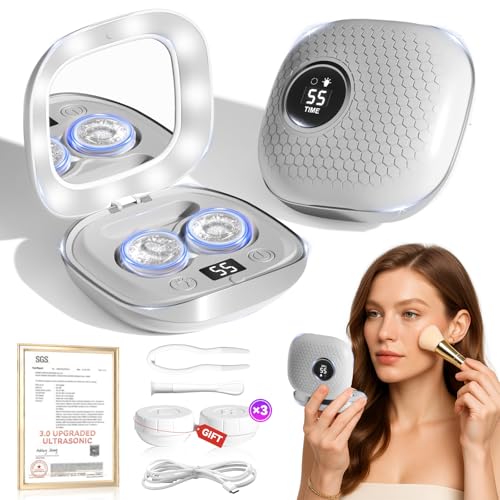
- Ultrasonic contact lens cleaner device
- UV sterilizer case for contact lenses
- Reusable contact lens case with separate compartments
- Contact lens storage case with mirror and screw-top


Before You Start
Read lens and solution instructions precisely. Wash hands with soap and water, dry thoroughly before handling lenses. Ensure your work area is clean and free from contaminants. Time estimates vary, but plan about 5–10 minutes for daily cleaning and up to 20 minutes for a thorough routine when introducing new products. Never use tap water or saliva on lenses or cases. Always replace the storage case every three months or per manufacturer guidance.
Step-By-Step: How To Clean And Store Contact Lenses
- Wash and dry hands completely before handling lenses to prevent transferring oils or debris.
- Remove lenses from eyes and place them on a clean surface or into the palm of the hand.
- Rinse each lens with fresh, appropriate contact lens solution to remove surface deposits.
- Gently rub each lens with a drop of solution for 10–20 seconds to dislodge buildup.
- Rinse again with fresh solution to flush away loosened material.
- Place lenses into a clean storage case filled with fresh disinfecting solution; follow the solution’s recommended soaking time.
- If using an ultrasonic cleaner device, follow the manufacturer’s instructions for settings and duration.
- After disinfection, rinse lenses briefly with fresh solution before wearing, if recommended by your eye care professional.
- Empty and rinse the storage case completely each day; allow it to air dry with the cap open.
- Inspect lenses for tears, chips, or residue before reuse. Discard damaged lenses immediately.
- Store cases in a clean, dry area away from direct sunlight and heat sources.
- Replace the case every 3 months and whenever it shows signs of wear or odor.
Troubleshooting
| Symptom | Likely Cause | Fix | Prevention |
|---|---|---|---|
| Lenses feel gritty after cleaning | Inadequate rubbing or dirty solution | Rinse with fresh solution and rub each lens firmly for 10–20 seconds | Use fresh solution; avoid reusing old solution |
| Lenses stay cloudy after disinfection | Residue on lenses or case contamination | Thoroughly rinse lenses; sanitize the case; consider a longer soaking time | Clean case regularly; replace case as recommended |
| Unpleasant smell from case | Bacterial buildup in case | Empty, rinse, and air-dry; replace case promptly | Keep case dry between uses; avoid overfilling with solution |
| Lenses feel dry or uncomfortable | Dehydrated lenses or invalid storage | Rinse with fresh solution; reinsert with proper lubrication drops if advised | Follow solution guidelines and wearing schedule from eye care provider |
Common Mistakes
- Using tap water or saliva to rinse lenses
- Rinsing or storing lenses in old solution
- Overfilling or reusing old storage solution
- Neglecting to replace the lens case on schedule
- Wearing damaged lenses or skipping replacements
Tips For Best Results
- Always wash hands for at least 20 seconds and dry with a clean lint-free towel
- Label storage cases with the date you started using them to track replacement cycles
- Consider pairing a cleaning kit with a case that has compartments to prevent cross-contamination
- If using an ultrasonic cleaner, ensure the device is compatible with your lens material and use it as a supplementary step
- Store lenses away from heat, moisture, and direct sunlight to preserve solution effectiveness
Call A Professional
Contact an eye care professional if you notice persistent redness, irritation, unusual discharge, or vision changes while wearing lenses. Stop wearing lenses until advised by a clinician. Seek urgent care if there is severe pain or significant vision loss.
FAQ
How often should I replace my contact lens case?
Replace the case every 3 months or sooner if it shows signs of wear or odor.
Can I use an ultrasonic cleaner for all lens types?
Ultrasonic cleaners can be compatible with many lens materials, but always follow the lens and device manufacturer instructions and consult your eye care professional.
Is UV sterilization safe for contact lenses?
UV sterilizers can help, but they may not replace chemical disinfection for all lens types. Use UV devices only as directed and ensure lenses are compatible.
What should I do if my lenses feel uncomfortable after cleaning?
Rinse with fresh solution, inspect for damage, and consider swapping to a new pair if discomfort persists. Consult an eye care professional if symptoms continue.
Should I rub lenses before placing them in solution?
Rubbing is recommended by many lens care guidelines, but follow your eye care provider’s instructions for your specific lenses and solution.
Buying Guide
When selecting gear for cleaning and storing contact lenses, consider size, ease of use, and compatibility with your lens type. Factors include:
- Storage solution and case quality: Choose kits with reliable solutions and well-sealed cases to prevent contamination.
- Cleaning devices: Ultrasonic cleaners may offer deeper cleaning but require proper usage; ensure device compatibility with your lenses.
- UV sterilizers: Evaluate whether you want extra disinfection steps; ensure your lenses tolerate UV exposure and follow safety guidelines.
- Case design: Separate compartments help prevent cross-contamination; reusable cases with clear compartments simplify organization.
- Refill frequency and maintenance: Consider how often you replace solution, cases, and whether bundled kits align with your routine.
Key questions to ask yourself include: How often do I wear lenses? Do I prefer a dedicated case with a mirror or a simple screw-top? Is an ultrasonic cleaner worth the added cost for my routine? By evaluating these factors, users can assemble a safe, efficient cleaning and storage system tailored to their needs.