Black ceramic glass cooktops offer a sleek look but require careful maintenance to keep them streak-free and free of scratches. This guide provides practical, step-by-step instructions using common cleaning tools and products designed for glass stove tops. Readers will learn a safe routine, plus tips to prevent future buildup and damage.
Quick Answer
Use a non-abrasive cleaner specifically designed for ceramic cooktops, paired with a silicone or plastic scraper for tough residue and microfiber cloths for buffing. Wipe gently in circular motions, dry immediately, and avoid harsh cleaners, abrasive pads, or steam cleaning near the controls.
What You’ll Need
- Ceramic Glass Cooktop Cleaner Kit Non-Scratch Sponge Microfiber Cloth
- Plastic Cooktop Scraper For Glass Stove Top
- Non-Abrasive Ceramic Cooktop Cleaner Cream 12 Oz
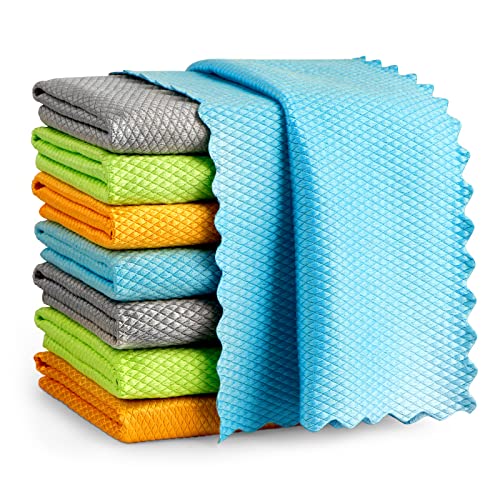
- Microfiber Cloth Set For Glass Stove Top Cleaning
- Stovetop Cleaning Kit With Silicone Scraper And Microfiber Cloth


Before You Start
Ensure the cooktop is completely cool before cleaning. Work in a well-lit area and remove any loose debris with a soft cloth. Read product labels and test cleaners on a small inconspicuous spot first. Avoid abrasive pads, bleach, and then soft scrubbing near the glass surface. Allow extra time for stubborn spills such as sugar or melted candy, which require gentle scraping and a dedicated cleaner. Plan for a 15–20 minute cleaning window per session.
Step-By-Step: How To Clean A Black Ceramic Glass Cooktop
- Remove loose debris using a dry microfiber cloth to prevent scratches.
- Apply a small amount of non-abrasive ceramic cooktop cleaner cream to the surface, focusing on spotted areas.
- Gently scrub in circular motions with the non-scratch sponge until residue loosens.
- Use the plastic cooktop scraper for glass stove top to lift set-in stains without scratching.
- Wipe away the residue with a clean microfiber cloth, turning to a fresh area as needed.
- Reapply cleaner to any remaining smudges and buff with a dry microfiber cloth for a glassy finish.
- Inspect for streaks; if needed, lightly mist with water and buff again until clear.
- Finish by wiping the entire surface with a dry microfiber cloth to remove moisture.
Troubleshooting
| Symptom | Likely Cause | Fix | Prevention |
|---|---|---|---|
| Streaks after cleaning | Residue left from cleaner | Buff with a dry microfiber cloth; use minimal cleaner | Follow product directions; use a separate clean cloth |
| Scratches appearing | Rough pad or misuse of scraper | Stop using abrasive tools; switch to non-scratch sponge | Always use gentle pressure |
| White film on surface | Hard water minerals or improper rinse | Rinse with a damp cloth and buff dry | Wipe with a damp cloth after cleaning |
| Stubborn burned-on residue | Sugary spills or melted candy | Let cleaner sit briefly; use plastic scraper gently | Clean spills promptly |
Common Mistakes
- Using abrasive sponges or steel wool on a ceramic surface
- Spraying cleaners directly onto controls or knobs
- Leaving cleaner on the surface for too long
- Using vinegar or lemon juice on a coated surface beyond recommended guidelines
Redirect focus to purpose-made cleaners and tools that protect the glass while removing grime effectively.
Tips For Best Results
- Keep a dedicated microfiber cloth set for glass stove cleaning to avoid cross-contamination.
- Apply cleaner to the cloth rather than directly on the cooktop to control application.
- Buff promptly after cleaning to prevent water spots and restore shine.
- Address spills as soon as they occur, especially sugary substances that harden quickly.
- Store tools in a nearby drawer for quick maintenance sessions.
Call A Professional
Seek professional help if the cooktop shows deep scratches, severe heat damage, or paint loss around the edges. If the surface becomes cloudy after repeated cleaning or if the control area shows abnormal discoloration, a technician can assess potential coatings or structural issues.
FAQ
Can I use vinegar on a black ceramic cooktop?
Vinegar can be used sparingly as a follow-up wipe, but rely mainly on ceramic-specific cleaners for best results and to avoid residue buildup.
Is it safe to use a plastic scraper on glass stove tops?
Yes, a plastic scraper is designed to lift baked-on residues without scratching the glass when used with light pressure.
How often should I clean a ceramic cooktop?
Clean weekly to maintain streak-free surfaces, and perform a quick wipe after each use to prevent buildup.
What should I avoid using on a black ceramic cooktop?
Avoid abrasive pads, scouring powders, bleach, and any cleaners not labeled for ceramic glass surfaces.
Will cleaning affect the performance of the burners?
Proper cleaning maintains appearance and prevents residue from transferring to cookware, but it does not affect burner performance when done correctly.
Can hard water cause streaks after cleaning?
Yes, mineral deposits can leave streaks; wipe with a damp cloth and dry thoroughly to prevent marks.
How do I remove tough, melted sugar spills?
Let the surface cool, apply a ceramic cooktop cleaner, then gently scrape with a plastic scraper and buff.
Are there eco-friendly cleaning options for my cooktop?
Look for cleaners labeled as non-abrasive and formulated for ceramic glass, with minimal harsh chemicals and biodegradable materials.
Buying Guide
When choosing products to maintain a black ceramic glass cooktop, consider size compatibility, cleaning efficacy, and ease of use. A dedicated kit with a non-scratch sponge, microfiber cloths, and a silicone scraper helps minimize risk to the surface. Look for a non-abrasive cleaner cream that can tackle burnt-on residue without scratching. A microfiber cloth set is essential for a streak-free finish and quick touch-ups. Factors such as how often you cook on the surface, the types of spills you typically encounter, and where you store cleaning supplies influence which kit to buy.
Size matters for storage and application. A compact kit fits most kitchen drawers, while larger kits may include multiple cloths for different purposes. Noise level and energy efficiency are not primary concerns for cleaning tools, but choosing gentle, hand-applied methods reduces wear. Controls and placement should be considered during installation of the cooktop itself; cleaning routines should avoid spraying cleaner directly on controls to prevent moisture intrusion.
In addition to cleaning kits, consider a dedicated soft-bristle brush or sponge for general scrubbing and a silicone scraper for lifted residues. Compare kits based on included accessories, such as the number of microfiber cloths, the presence of a non-scratch cleaning pad, and the durability of the scraper. A kit that offers clear instructions and surface-safe formulas helps ensure long-term satisfaction and a consistently bright, glassy finish.