Dip powder nails offer a long-lasting manicure, but removing them without damage can be tricky. This guide explains a careful, at-home method to lift and remove dip powder safely, minimizing nail thinning and cuticle irritation. Readers will learn step-by-step techniques, common pitfalls, and how to choose the right tools for clean, healthy nails.
Whether you’re transitioning to a new color, letting nails breathe, or avoiding salon fees, following a structured removal process helps preserve nail health. The approach below emphasizes gentle softening, patience, and proper disposal of products used in removal.
Quick Answer
Best quick method: Use acetone-soaked wraps to soften the dip powder, then gently lift with a buffer and cuticle pusher. If needed, repeat with fresh wraps. Finish with nourishing oils and a light buff to restore shine.
What You’ll Need
- Dip powder removal kit with acetone and foil wraps
- 100% acetone nail polish remover for dip powder
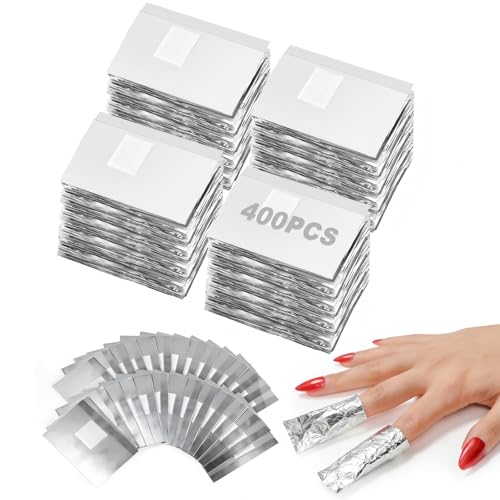
- Nail foil wraps soak-off kit for dip powder removal
- Nail buffer and cuticle pusher set for removing dip powder
- Electric nail drill bit for removing dip powder


Before You Start
Prepare a clean, well-ventilated workspace and gather all tools. Protect skin and eyes from acetone vapors by wearing a protective mask if needed. Do not force or pry dip powders off; this can damage the natural nail. Timing matters: plan for 20–40 minutes, depending on how thick the layer is. Patch test any new product on a small nail edge before full use.
Step-By-Step: How To Remove Dip Powder Nails
- Remove any top coat with a quick buff to ensure acetone penetrates evenly.
- Protect surrounding skin with a thin barrier or petroleum jelly along the cuticle.
- Cut small cotton pads and soak them in 100% acetone nail polish remover for dip powder.
- Place a saturated pad on each nail and wrap with a nail foil wrap kit for dip powder removal. Leave for 10–15 minutes.
- Unwrap and use a cuticle pusher to gently lift the softened powder from the free edge. Do not scrape aggressively.
- If powder remains, rewrap nails with fresh acetone-soaked pads and re-wrap for another 5–10 minutes.
- Use a nail buffer and cuticle pusher set for removing dip powder to lightly buff away residual powder in a back-and-forth motion.
- For stubborn layers, an electric nail drill bit for removing dip powder can be used with low speed and light pressure—avoid overheating the nail bed.
- Wipe nails with a damp cloth, then apply a nourishing cuticle oil or lightweight moisturizer to rehydrate the nail plate.
- Finish with a thin coat of clear polish or leave natural to assess nail health before reapplication.
- Dispose of used wraps and cotton safely, and wash hands thoroughly after removal.
- Observe nails for redness, swelling, or persistent sensitivity; seek professional advice if issues persist.
Troubleshooting
| Symptom | Likely Cause | Fix | Prevention |
|---|---|---|---|
| No softening after wraps | Acetone evaporation or insufficient saturation | Reapply fresh acetone-soaked pads and re-wrap | Keep wraps moist with short intervals |
| Powder resists removal | Thicker dip layer or hard-set base | Repeat soaking or switch to a higher acetone concentration | Avoid aggressive scraping |
| Nail tips feel dry or brittle | Overexposure to acetone | Limit soaking time; apply nourishing oil | Balance acetone use with conditioning |
| Ridges or uneven surface after removal | Heavy buffing | Use gentler, shorter strokes; resume conditioning | Work gradually with a fine buffer |
Common Mistakes
- Rushing the process and peeling layers forcefully
- Using metal tools aggressively that gouge the nail
- Overusing acetone leading to excessive drying
- Not protecting the surrounding skin, causing irritations
Taking time and using the right tools reduces risk and preserves nail strength for the next manicure.
Tips For Best Results
- Choose the right dip powder removal kit with acetone and foil wraps for consistent results.
- Alternate between soaking and gentle lifting to minimize damage.
- Always follow with a hydrating base coat or cuticle oil to restore moisture.
- Consider a brief break between removals to allow natural nails to recover.
- Keep your nails hydrated and avoid aggressive filing between sessions.
Call A Professional
Consult a manicurist if you notice persistent nail cracking, severe peeling, or pain around the nail bed. Stop removal attempts if you experience intense burning or bleeding. If you have nail diseases or infections, seek professional care before attempting at-home removal.
FAQ
Can I remove dip powder with regular nail polish remover?
Normal nail polish remover may not be as effective as 100% acetone for dip powder, but it can work in gentler, shorter sessions.
Is it necessary to use foil wraps?
Foil wraps help contain acetone and keep it on the nail for effective softening, improving results.
How long should I soak dip powder?
Typically 10–15 minutes per round, followed by gentle lifting. Avoid extended soak times to reduce drying.
What should I do after removal?
Apply cuticle oil and a hydrating base coat to replenish moisture and protect the nail plate.
Can I reuse tools for future removals?
Sanitize tools properly between uses and replace buffers or drill bits as they wear down.
Is it safe to remove dip powder on damaged nails?
Consult a professional if nails show signs of damage, thinning, or infection before attempting removal.
How often should I remove and reapply dip powder?
Allow nails to recover several days to weeks between intense removals and reapplications to maintain health.
Buying Guide
When choosing products for dip powder removal, consider factors like size, noise level if using an electric drill, energy efficiency, controls, and placement. For at-home use, a compact kit with reliable acetone, protective foil wraps, and gentle buffers is practical. Look for safety features like vented lids and skin barriers to minimize irritation. Compare kits based on ease of use, number of wraps included, and compatibility with your preferred acetone strength. If you frequently manage dip powders, a multi-item bundle with a buffer set and cuticle pusher can streamline the process and reduce the risk of nail damage.