Maintaining laminate kitchen cabinets involves removing built-up grease with products that are safe for glossy surfaces. This guide outlines practical, step-by-step methods using common cleaning tools and targeted degreasers. The aim is a streak-free finish that protects the laminate while restoring its color and shine.
Readers will find a concise Quick Answer, a complete list of supplies, safety notes, and a detailed procedure. The focus is on household-safe methods that work well in American kitchens and align with common household cleaning routines.
Quick Answer
Use a citrus or laminate cabinet degreaser spray with a non-scratch nylon scrub brush and microfiber cloths. Wipe in the direction of the grain, rinse with a damp cloth, and dry with a clean microfiber pad. For tough spots, apply a bit more cleaner and let it sit briefly before scrubbing.
What You’ll Need
The following tools and cleaners are commonly effective for laminate cabinet cleaning. The supplies are chosen to minimize risk to the laminate’s finish while maximizing grease removal.
- Laminate cabinet degreaser spray for kitchen cabinets
- Citrus degreaser spray for laminate cabinet cleaning
- Non-scratch nylon scrub brush for laminate cabinets
- Microfiber cleaning cloths for grease removal on cabinets
- Cabinet cleaning kit with sponge and microfiber pad for laminate cabinets
- Water spray bottle for rinsing (optional)


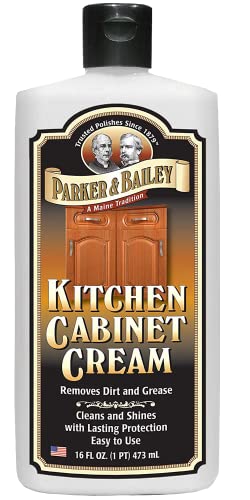
Before You Start
Before cleaning, remove items from cabinet doors and surfaces to create an unobstructed cleaning area. Test cleaners on a small, inconspicuous patch to ensure no discoloration or dulling occurs. Wear gloves if you have sensitive skin, and ensure good ventilation in the kitchen. Time estimates vary, but plan for about 30–60 minutes depending on the cabinet surface area and grease buildup. Crucial cautions: avoid abrasive tools on glossy laminates, do not mix cleaners with bleach, and never saturate the grooves where water can seep behind the laminate.
Step-By-Step: How To Clean Grease Off Laminate Cabinets
- Remove loose dust with a dry microfiber cloth to prevent scratching during cleaning.
- Apply a light spray of citrus degreaser spray for laminate cabinet cleaning or laminate cabinet degreaser spray to a microfiber cloth or directly onto the surface.
- Gently wipe in circular motions, paying special attention to handles and edges where grease tends to accumulate.
- For stubborn spots, sprinkle a small amount of cleaner onto the non-scratch nylon scrub brush for laminate cabinets and rub with light pressure, following the grain of the laminate.
- Rinse the area with a damp cloth to remove layers of cleaner and loosened grease.
- Dry the surface with a soft microfiber pad or another dry microfiber cloth to prevent streaks and watermarks.
- Repeat as needed on sticky or greasy sections, then wipe down with a clean, dry cloth to finish.
- Optionally, use a dedicated cabinet cleaning kit with sponge and microfiber pad for laminate cabinets for a uniform finish on larger surfaces.
- Inspect for any remaining grease and repeat steps if necessary, focusing on the exposed edges and interior doors if accessible.
- Return items to their places and store cleaners out of reach of children and pets after use.
- For ongoing upkeep, wipe cabinets weekly with a light spray and microfiber cloth to prevent buildup.
Troubleshooting
| Symptom | Likely Cause | Fix | Prevention |
|---|---|---|---|
| Streaks after cleaning | Residue from cleaner or insufficient drying | Wipe with a damp cloth, then dry thoroughly | Use a microfiber pad for final dry |
| Grease returns quickly | Grease buildup from cooking activities | Clean more frequently; consider a degreaser spray designed for laminate | Maintain a weekly wipe-down routine |
| Laminate dulls after cleaning | Harsh cleaners or abrasive scrubbing | Switch to non-abrasive methods and milder degreasers | Test cleaners first on a hidden area |
| Peeling or edge lifting | Water seepage or over-saturation | Limit moisture, dry promptly, avoid soaking | Use minimal moisture and wipe dry |
Common Mistakes
- Using abrasive scrubbers on laminate surfaces
- Over-wetting cabinets during cleaning
- Mixing cleaners with bleach or ammonia-based products
- Neglecting to dry surfaces after cleaning, which can cause water spots
Tips For Best Results
Choose a citrus degreaser spray for laminate cabinet cleaning for a fresh scent and effective grease removal. Always wipe in the direction of the grain to minimize streaks. For frequent cleaning, keep a dedicated cloth and sponge in the cleaning kit to streamline routines. If stains persist, consider applying a small amount of degreaser to the cloth and allowing it to sit for a minute before scrubbing.
Call A Professional
Consider contacting a professional if there are signs of permanent damage, such as peeling or bubbling laminate, extensive water intrusion, or stubborn stains that do not respond to standard degreasers. Seek help when a large area requires cleaning or repair beyond routine maintenance, especially in cabinets with integrated lighting or delicate finishes.
FAQ
What is the best cleaner for grease on laminate cabinets?
A citrus-based or laminate-specific degreaser spray combined with a non-scratch nylon brush and microfiber cloths provides effective grease removal without damaging the finish.
Can I use dish soap to clean grease from cabinets?
A mild dish soap can help in a pinch, but it may require more rinsing to prevent residue. Prefer dedicated degreasers designed for laminate surfaces.
How often should I clean laminate cabinets to prevent grease buildup?
Weekly light cleanings help prevent heavy buildup; deeper cleanings can be done every 1–2 months depending on cooking frequency.
Is it safe to use a steam cleaner on laminate cabinets?
Steam cleaners are generally not recommended for laminate surfaces as excessive moisture can cause warping or water intrusion behind the laminate.
Buying Guide
When choosing products to clean laminate kitchen cabinets, consider size, noise level (if using powered tools), energy efficiency of any connected devices, control in spray dispensers, and placement within the kitchen. Look for degreasers formulated for laminate finishes and non-scratch brushes that won’t dull surfaces. For convenience, a cabinet cleaning kit with sponge and microfiber pad can streamline routines. Compare citrus-based versus solvent-based degreasers based on odor, drying time, and residue. Finally, assess storage needs and whether a flexible kit fits your cabinet dimensions and cleaning cadence. Would a compact kit suit smaller kitchens or apartments? A well-chosen set makes maintenance easier and helps preserve the cabinets’ appearance over time.