White powder on basement walls is commonly caused by efflorescence, a buildup of mineral salts that migrates to the surface when moisture wicks through concrete. Addressing both moisture and residue is essential to stop recurrence and protect basement integrity.
This guide explains practical, safe steps for homeowners to clean efflorescence and reduce future moisture intrusion, with tools and products suitable for typical American basements.
Quick Answer
Identify moisture sources, dry the area, then use a targeted cleaner such as an efflorescence remover for concrete basement walls or a basement wall efflorescence cleaner spray. Scrub with a stiff nylon masonry brush, and if needed, repeat with a pressure washer for stubborn deposits. Ensure thorough drying and monitor humidity to prevent reoccurrence.
What You’ll Need
- Efflorescence remover for concrete basement walls
- Basement wall efflorescence cleaner spray
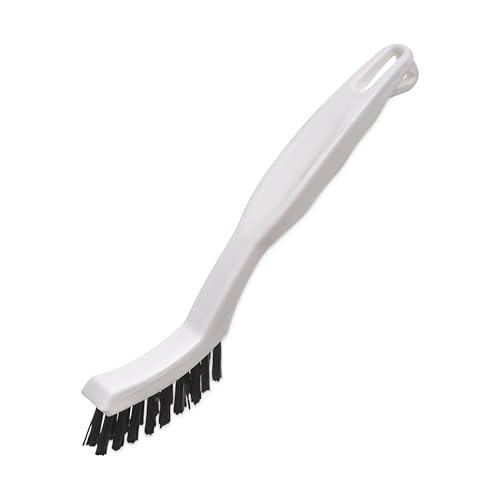
- Concrete masonry cleaning brush for efflorescence
- Pressure washer for efflorescence removal on concrete
- Stiff nylon masonry brush for efflorescence removal
- Protective eyewear and gloves
- Dry towels or a shop vacuum for moisture control


Before You Start
Assess the area for active leaks and repair any cracks or foundation issues before cleaning. Work on dry days or when humidity is low to minimize mud and runoff. Wear protective gear to shield skin, eyes, and lungs from dust and cleaning chemicals. Plan for several hours of work and ensure proper ventilation in the basement.
Important cautions: Do not mix cleaners with bleach or acidic products, which can create harmful fumes. Test a small, inconspicuous area first to confirm the cleaner does not damage paint or masonry seals. Keep children and pets away during the cleaning process.
Step-By-Step: How To Remove White Powder From Basement Walls
- Clear the area and seal off nearby doors to prevent dust from spreading.
- Use a dry brush or vacuum to remove loose powder from the wall surface.
- Apply an efflorescence remover for concrete basement walls according to label directions.
- Scrub the treated area with a stiff nylon masonry brush for efflorescence to loosen mineral deposits.
- Rinse with clean water or lightly spray using a basement wall efflorescence cleaner spray and wipe away residue.
- For stubborn spots, use a pressure washer on a low setting and maintain a safe distance from the wall to avoid damage.
- Repeat cleaning on any remaining affected sections, then dry the area thoroughly with towels or a shop vacuum.
- Evaluate moisture sources: check gutters, downspouts, and any wall cracks; address leaks promptly.
- Monitor humidity with a hygrometer and use dehumidification to maintain interior moisture below 50% RH.
- Reinspect walls after a week; apply a sealant or waterproofing if recommended for your basement materials.
- Document the area and establish a routine maintenance plan to prevent reoccurrence.
Troubleshooting
| Symptom | Likely Cause | Fix | Prevention |
|---|---|---|---|
| Powder reappears after cleaning | Ongoing moisture intrusion | Repair leaks, improve drainage | Regular moisture monitoring |
| Cleaner does not remove deposits | Strong mineral buildup | Reapply cleaner and extend dwell time, repeat brushing | Early treatment after moisture spikes |
| Walls feel damp or soft | Water damage or hydrostatic pressure | Consult a professional to assess structural risk | Fix drainage and waterproofing system |
| Rinse water cloudy or dirty | Contaminants loosened during cleaning | Change rinse water and extend drying period | Clean in smaller sections for control |
Common Mistakes
- Using acidic cleaners on painted or sealed walls, which can erode finishes
- Over-wetting concrete, which can drive moisture deeper into the wall
- Neglecting to fix moisture sources before cleaning, leading to rapid recurrence
- Rushing drying time, resulting in residual dampness and mold risk
Tips For Best Results
- Work in sections to ensure complete cleaning and drying of each area
- Always follow cleaner labels for dwell time and safety precautions
- Pair cleaning with humidity control to reduce future efflorescence
- Use a low-pressure rinse to minimize damage to masonry surfaces
- Consider applying a penetrating sealant after thorough drying if recommended for your wall type
Call A Professional
Call a professional if there is active water intrusion, persistent dampness after cleaning, visible cracks wider than a hairline, or signs of structural damage. Stop-and-go moisture issues may require foundation waterproofing or drainage upgrades, which are best handled by licensed experts.
FAQ
What causes white powder on basement walls?
White powder is typically efflorescence, mineral salts drawn to the surface by moisture migrating through concrete.
Is efflorescence harmful to health?
Efflorescence itself is not highly toxic, but the moisture that accompanies it can promote mold growth and bacteria if not addressed.
Can I remove efflorescence without professional help?
Yes, with proper cleaners, brushes, and careful moisture control, many homeowners can manage efflorescence themselves.
How can I prevent efflorescence from returning?
Address moisture sources, improve ventilation, use dehumidification, and consider sealing or waterproofing after cleaning and drying.
When should I replace damaged wall material?
If concrete or masonry shows significant cracking, crumbling, or structural signs, consult a professional for replacement or repair options.
Is a pressure washer necessary?
No, not always. A pressure washer helps with stubborn deposits but should be used carefully to avoid surface damage.
Should I seal basement walls after cleaning?
Sealing can help reduce moisture transfer, but it should follow a complete dry period and professional guidance based on wall material.
Buying Guide
When choosing tools and products to combat efflorescence in a basement, consider several factors to ensure effective and safe results.
- Size and space: Larger basements may benefit from a more powerful pressure washer, while smaller areas can be cleaned effectively with hand brushes and sprays.
- Noise level: Consider the impact of equipment on occupancy and neighbors, especially in living spaces adjacent to basements.
- Energy and water efficiency: Look for water-efficient cleaning methods and energy-efficient devices where applicable.
- Controls: Choose user-friendly cleaners and adjustable spray settings to control application and rinsing.
- Placement: Ensure storage space is secure and that cleaners are kept away from children and pets.
- Durability: Tools like stiff nylon masonry brushes should withstand repeated use on rough masonry.
- Compatibility: Ensure cleaners are suitable for concrete and masonry and safe for any coatings or paints present.
- Replacement parts and support: Opt for brands with readily available replacements and clear usage instructions.