Dog reproductive cycles can create odors that linger in carpets, upholstery, and fabrics. A combination of cleaning, odor-neutralizing agents, and proper air filtration helps reduce smells effectively. This guide outlines practical steps using enzymatic cleaners, odor absorbers, and air purification to maintain a fresh home environment for both pets and human teammates.
The methods below focus on safe, dog-friendly products and straightforward routines that fit American households. Readers should follow product directions and take basic safety precautions when handling cleaners and pet areas.
Quick Answer
Address odor at the source with an enzymatic cleaner designed for dog urine and blood. Ventilate spaces with a HEPA air purifier for pet odors in large rooms and use an activated charcoal odor absorber to capture lingering molecules. Clean stained fabrics promptly, and repeat as needed to maintain freshness.
What You’ll Need
- Enzymatic pet odor remover spray for dog urine and blood
- Pet stain and odor remover enzymatic cleaner for dogs
- Dog urine and blood odor neutralizer enzymatic cleaner
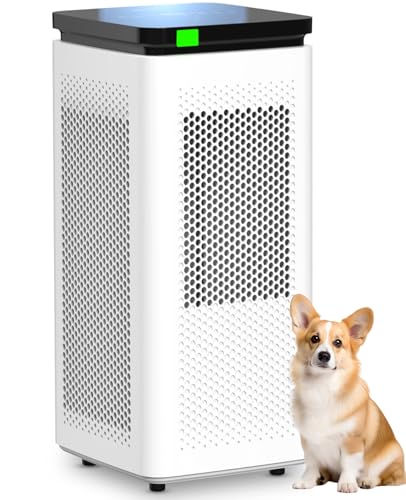
- HEPA air purifier for pet odors large room
- Activated charcoal pet odor absorber


Before You Start
Clear the area and gather supplies before cleaning. Test cleaners on a small, inconspicuous patch of fabric or carpet to ensure colorfastness. Work from the top down when cleaning ceilings, walls, and then floors. Safety first: keep cleaners away from pets during application and ensure the area is well ventilated. Expect multiple treatments for porous surfaces and fabrics, and allocate time for drying between steps.
Step-By-Step: How To Remove Dog Period Odors
- Identify affected areas including carpets, upholstery, bedding, and pet resting spots.
- Blot excess moisture with clean towels, avoiding rubbing that could spread odors deeper into fibers.
- Apply an enzymatic pet odor remover spray for dog urine and blood according to label directions on the affected area.
- Allow the enzyme cleaner to dwell for the recommended time to break down organic molecules.
- Gently blot or rinse with clean water if the product instructs, then blot to remove moisture.
- Repeat enzymatic treatments for deeply soiled spots and on fabrics that absorb odors readily.
- For large rooms, run a HEPA air purifier for pet odors to reduce airborne particles and improve air quality.
- Place activated charcoal pet odor absorber in rooms or near problem areas to capture lingering smells.
- Wash removable fabrics, such as cushion covers and blankets, with appropriate cleaners or a gentle detergent.
- Vacuum cleaned areas once dry to pick up any remaining residues and distribute deodorizers evenly.
- Schedule regular odor checks and cleanings to prevent odor buildup over time.
- Consider a routine maintenance plan combining enzymatic cleaners, air filtration, and odor absorbers for ongoing freshness.
Troubleshooting
| Symptom | Likely Cause | Fix | Prevention |
|---|---|---|---|
| Smell persists after cleaning | Residual enzymes or porous materials | Reapply enzyme cleaner and launder fabrics | Pre-treat and protect porous surfaces; use odor absorbers |
| Area remains damp | Underlay or fabric moisture | Increase drying time; use fans | Avoid over-saturation; allow thorough drying |
| Fabrics yellow or stain after cleaning | Colorfastness issues | Test patch first; use alternative cleaners | Spot-test before large applications |
| Air smells strong despite cleaners | Insufficient filtration | Increase purifier run time; add odor absorbers | Keep purifier filters clean and valves sealed |
Common Mistakes
- Using ammonia-based cleaners on dog areas, which can irritate pets and worsen odors.
- Rubbing stains aggressively, which drives odors deeper into fibers.
- Over-wetting carpets or upholstery, prolonging drying times and encouraging mold.
- Delaying treatment after a spill, making odors harder to remove over time.
Tips For Best Results
- Coordinate enzymatic cleaners with a regular cleaning schedule to prevent odor buildup.
- Run the HEPA air purifier continuously in rooms with recurring pet odors for best air quality.
- Use activated charcoal absorbers in common areas and bedrooms to reduce lingering smells.
- Ensure fabrics are dried completely before re-use to avoid mildew odors.
- Keep pets out of freshly cleaned areas until they are fully dry and safe to sniff again.
Call A Professional
Seek professional help if odors persist after thorough cleaning, if there is suspicion of mold or persistent staining, or if large areas require deodorization. If a pet shows signs of respiratory distress, coughing, sneezing, or skin irritation around treated areas, contact a veterinarian and discontinue use of cleaning products in that area until advised.
FAQ
What is the best product to remove dog urine odor?
Enzymatic cleaners designed for dog urine and blood break down organic compounds that cause odors, making them highly effective for pet-related smells.
Can I use an air purifier to reduce dog period smells?
Yes, a HEPA air purifier for pet odors in a large room helps capture airborne particles and improves overall air quality.
Should I use activated charcoal to absorb odors?
Activated charcoal pet odor absorbers help trap odor molecules and can supplement enzymatic cleaners in space-wide deodorization.
How often should I clean areas where my dog cycles?
Treat high-use areas weekly or after noticeable odor events, and perform deeper cleanings monthly for ongoing freshness.
Is it safe to use cleaners around dogs?
Yes, when products are used as directed and areas are dry before allowing pets back, following safety cautions is essential.
What should I do if odors keep returning?
Reassess cleaning frequency, consider additional odor absorbers, and verify fabrics or carpets aren’t retaining moisture or contamination.
Buying Guide
When choosing odor-control products for dog-related smells, consider the following factors to ensure effective coverage and safe use in homes with pets.
- Size and coverage: Choose enzymatic cleaners and odor absorbers suitable for the square footage and the most affected areas. Larger rooms may benefit from a HEPA air purifier designed for pet odors and multiple absorbers in strategic spots.
- Noise level and placement: If an air purifier runs in bedrooms or living rooms, look for models with quiet operation and adjustable placement to maximize efficiency without disturbing daily activities.
- Energy efficiency: Energy-efficient purifiers lower operating costs for long-term use while maintaining strong filtration.
- Controls and ease of use: Simple spray bottles and straightforward maintenance schedules help ensure regular treatment of problem areas.
- Fabric and surface compatibility: Verify that enzymatic cleaners are suitable for carpets, upholstery, bedding, and hard surfaces present in the home.
- Replacement parts and consumables: Check availability of spare filters for purifiers and refills for odor absorbers to maintain ongoing effectiveness.
- Placement strategy: Position absorbers near likely odor sources, and maintain good air circulation around treated fabrics for faster drying and neutralization.