Marble adds timeless beauty to kitchens, bathrooms, and public spaces, but its softness and porosity demand gentle care. With the right approach and safe cleaning products, marble maintains its luster while resisting dulling etching and staining. This guide walks American homeowners through a clear, step-by-step process to clean marble countertops and surfaces without risking damage.
Quick Answer
Use a pH-neutral marble cleaner for routine cleaning and a dedicated marble polishing powder with a buffing pad kit for upgrades on dull spots. For daily maintenance, a microfiber mop designed for marble helps lift dust and grime without scratching. Sealers protect surfaces between deep cleans and spills. Always avoid acidic cleaners and abrasive tools on marble.
What You’ll Need
- pH neutral marble cleaner spray
- Marble cleaning kit with pH neutral cleaner (optional, includes spray and microfiber cloths)
- Marble polishing powder with buffing pad kit
- Microfiber mop for marble countertops
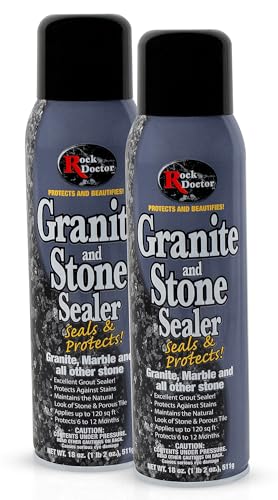
- Stone sealer for marble countertops


Before You Start
Prepare a clean, uncluttered surface and work in a well-lit area. Test cleaners in an inconspicuous spot for 30 seconds before full use. Always use soft, non-abrasive tools and avoid acidic or highly alkaline agents that can etch marble. Allow time for surfaces to dry after each step to prevent streaks and water spots.
Time estimates vary by project size: simple wipe-downs take about 10–15 minutes, while polishing or sealing may require 30–60 minutes plus curing time. Safety note: use gloves if you have sensitive skin and ensure good ventilation when applying sealers.
Step-By-Step: How To Clean Marble Surfaces Effectively
- Remove loose debris with a microfiber mop for marble countertops to avoid scratching the surface.
- Spray a pH neutral marble cleaner spray onto the surface, covering the area evenly.
- Wipe with a clean microfiber cloth or a soft sponge, using gentle, circular motions to lift dirt.
- For stubborn spots, apply a small amount of cleaner and let it sit for a minute, then wipe away.
- Rinse with a damp cloth to remove cleaner residue, ensuring the surface remains slightly damp but not soaked.
- Dry thoroughly with a dry microfiber cloth to prevent watermarks and mineral deposits.
- Inspect the finish; if dull patches remain, proceed with a marble polishing powder and buffing pad kit following the product directions.
- Apply a thin coat of stone sealer for marble countertops if recommended by the sealer’s instructions, allowing proper curing time before use.
- Reassess weekly: maintain with routine cleaning and re-seal as advised by the sealer manufacturer.
- Store cleaning materials out of reach of children and pets, and avoid storing cleaners directly on marble to prevent accidental spills.
- Dispose of used cloths and pads in accordance with household waste guidelines and never mix cleaners with other chemicals.
Troubleshooting
| Symptom | Likely Cause | Fix | Prevention |
|---|---|---|---|
| Cloudy or streaky surface after cleaning | Water spots or cleaner residue | Wipe with a damp cloth, then dry with a microfiber towel | Use a finishing pass with a dry microfiber cloth |
| Dull patches after washing | Improper polishing or residue buildup | Use marble polishing powder with the buffing pad kit per instructions | Test polish on an inconspicuous area first |
| Etching or dulling around high-traffic areas | Acidic cleaners or citric residues | Switch to pH-neutral products and remove any residues promptly | Clean spills immediately to minimize etching risk |
| Staining from spills | Porous marble absorbed liquid | Clean with pH-neutral cleaner, then seal if recommended | Address spills quickly and re-seal periodically |
Common Mistakes To Avoid
- Using acidic cleaners like vinegar, lemon juice, or bleach on marble
- Aggressive scrubbing with steel pads or rough brushes
- Over-wetting marble or leaving standing liquid on the surface
- Skipping sealing or applying sealer too soon after cleaning
Following these tips helps preserve the marble’s natural veining and gloss while reducing the risk of etching and staining.
Tips For Best Results
- Establish a routine using a pH neutral marble cleaner spray for daily maintenance.
- Use a dedicated microfiber mop to minimize scratching on countertops and vanity tops.
- Polish dull areas with marble polishing powder with buffing pad kit to restore shine without harsh abrasives.
- Choose a sealer suited for marble, and follow curing times exactly for optimal protection.
- Place coasters and avoid placing acidic substances directly on marble surfaces.
Call A Professional
Consider professional help if marble shows deep etching, severe staining, or widespread dulling after at-home efforts. Stop immediately if you notice color changes, unusual textures, or cracking, and consult a licensed stone care technician. Repairing structural damage requires specialized equipment and knowledge beyond consumer products.
FAQ
What is the safest cleaner for marble?
A pH-neutral marble cleaner spray is typically the safest option for routine cleaning.
Can I use a regular polish on marble countertops?
Use products specifically designed for marble, such as marble polishing powder with a buffing pad kit, to avoid damage.
How often should I seal marble countertops?
Sealing frequency depends on the sealer product and usage; follow the manufacturer’s guidance and test periodically.
Is pooling water a problem for marble?
Yes. Always dry surfaces after cleaning to prevent water spots and mineral deposits.
Buying Guide
When shopping for marble care products, consider size, surface area, and usage patterns. Key buying factors include:
- Size and coverage: Choose bottles or kits that match the scale of kitchen countertops or bathroom vanities to minimize frequent re-purchasing.
- Noise level and ease of use: Look for streamlined spray bottles and easy-to-wipe formulas. Noise is typically minimal with home-use kits.
- Energy efficiency not usually applicable to cleaning products, but ensure sealed, low-emission packaging and refill options.
- Controls and application: Favor spray cleaners and liquid sprays over concentrates that require mixing, for consistent results.
- Placement and compatibility: Check that cleaners are safe for countertops, vanities, and other marble surfaces, including backsplashes.
- Maintenance cycle: Pair cleaners with a sealing schedule appropriate to your marble type and sealer product.
- Included tools: If included, buffing pads or polishing powders should be compatible with your marble’s hardness and finish.
To optimize results, match products like the marble cleaning kit with pH neutral cleaner with a soft microfiber mop and a stone sealer designed for marble countertops. Assess your space and tasks—surface size, traffic, and desired finish—to determine the best combination for ongoing care.