Spills happen, but quick action can prevent stains and damage. This guide walks through practical steps for common couch fabrics and shows how to select the right cleaners and tools. Whether you own a microfiber sofa or a leather couch, these methods help minimize lasting marks.
Quick Answer
Act fast to blot spills, choose the appropriate cleaner for your fabric, test in an inconspicuous area, and follow the cleaner’s instructions. For most fabrics, start with a gentle blot, then methods specific to microfiber, upholstery fabric, or leather as needed.
What You’ll Need
- Microfiber sofa stain remover spray
- Upholstery fabric cleaner for couch spray bottle
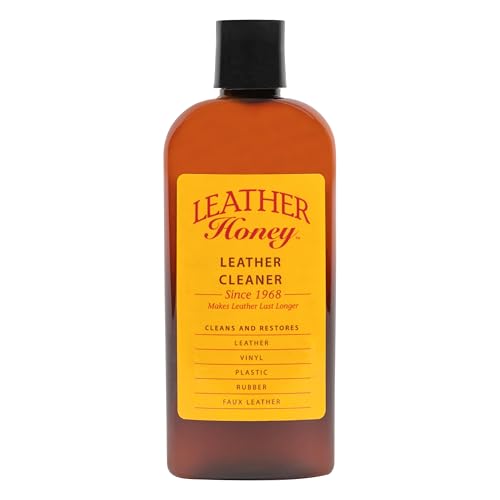
- Leather couch stain remover kit with cloths
- Couch spill cleanup kit upholstery brush towels
- Stain remover wipes for fabric sofa spill


Before You Start
Prepare a clean, well-lit workspace. Work on a flat surface and protect surrounding areas from moisture. Time estimate: 5–30 minutes, plus drying time. Cautions include avoiding excessive rubbing on delicate fabrics and never applying heat to a wet couch surface.
Step-By-Step: How To Clean A Spill On A Couch
- Identify the fabric type: microfiber, fabric, or leather, as cleaning methods differ.
- Blot the spill with a clean cloth to remove surface liquid. Do not rub, which can push stain deeper.
- For microfiber: lightly mist microfiber sofa stain remover spray and blot from the outside in to lift the liquid.
- For upholstery fabric: apply a small amount of upholstery fabric cleaner for couch spray bottle to a cloth, not directly onto the fabric, and blot gently.
- For leather: use the leather couch stain remover kit with cloths according to the kit instructions; wipe in the direction of the grain.
- Rinse or remove cleaner residue with a clean, damp cloth, then blot dry with towels.
- Allow the surface to air-dry completely before use. If needed, repeat steps for stubborn spots.
- If a stain remains, try a second cleaning method appropriate to the fabric type, using stain remover wipes for fabric sofa spill as a final option.
- Finish by brushing or fluffing fibers (where applicable) once dry to restore texture.
- For persistent odors or set stains, consult the retailer’s guidelines or consider professional cleaning.
Troubleshooting
| Symptom | Likely Cause | Fix | Prevention |
|---|---|---|---|
| Stain remains after first pass | Deep-set pigment or fabric sensitivity | Repeat cleaning with appropriate product; use a stain remover wipe for fabric | Treat spills immediately |
| Water rings on leather | Excess moisture | Dry with microfiber towel; apply leather conditioner after drying | Work in small sections; avoid over-wetting |
| Fading on fabric | Harsh cleaner or over-wetting | Switch to milder cleaner; blot and rinse fully | Test in hidden area first |
| Sticky residue | Soap-based cleaner left behind | Wipe with clean damp cloth until no residue | Follow product directions precisely |
Common Mistakes
- Using hot water or heat to dry stains, which can set them
- Rubbing vigorously, pushing stains deeper into the fibers
- Using the wrong cleaner for leather versus fabric
- Over-wetting delicate fabrics or wooden furniture nearby
Tips For Best Results
- Always test cleaners on a hidden area before applying widely
- Blot, don’t rub; contact solution should meet the fabric surface gently
- Coordinate products with your couch material (microfiber vs. leather)
- Keep a dedicated stain kit handy for quick response
- Dry completely before sitting to prevent damp odor or fiber distortion
Call A Professional
Consider a pro cleaning service if spills cover large areas, involve dye transfer, or if the couch has special finishes. Stop signs include persistent discoloration, bleeding colors, or damage to the upholstery coating. Professionals can assess fabric compatibility and perform advanced treatments.
FAQ
Can I use any cleaner on my microfiber couch?
It is best to use cleaners labeled for microfiber and to test a small hidden spot first.
What should I do if the stain on leather returns after cleaning?
Re-clean with the leather kit and apply a conditioner after drying to restore moisture.
How long does a couch need to dry after cleaning?
Most fabrics dry within 2–6 hours, depending on thickness and ventilation.
Are stain remover wipes safe for all fabrics?
No. Check fabric compatibility and test before full use to avoid damage.
Buying Guide
Choosing the right cleaning products for a couch depends on material, the type of spill, and maintenance goals. Consider the following factors to compare options effectively.
- Fabric type and compatibility: microfiber, fabric upholstery, and leather each require specific cleaners.
- Cleaning power vs. gentleness: balance stain removal strength with fabric safety.
- Application method: spray bottles, wipes, or kit-based cloths—select a format that fits your routine.
- Drying time: faster-drying products reduce downtime and odor risk.
- Brand compatibility: use products designed for your couch’s brand or material finish.
- Size and portability: a compact kit is easier to store for quick spills.
- All-in-one vs. targeted solutions: targeted cleaners for specific fabrics can be more effective than generic sprays.
For households with multiple fabric types, a combination approach often works best: a microfiber sofa stain remover spray for synthetic fibers, a dedicated upholstery fabric cleaner for couch spray bottle for general fabrics, and a leather couch stain remover kit with cloths for leather furniture. Would you start with a small, test-ready kit, or assemble a full cleaning kit for quick access?