Walls accumulate dust, fingerprints, grime, and stains over time. A well-planned cleaning routine can restore their appearance without damaging paint, wallpaper, or plaster. This guide covers practical, US-market friendly methods and tools to tackle different wall surfaces while minimizing risk.
Quick Answer
Choose the cleaning method by surface: spot-clean minor marks with a soft sponge and mild solution; for tougher grime, use a gentle scrub with a microfiber cloth; for stubborn stains, consider a steam cleaner on heat-safe surfaces; avoid saturating drywall or wallpaper. Always test in an inconspicuous area first.
What You’ll Need
- Gasoline pressure washer 3000 PSI stainless steel pump
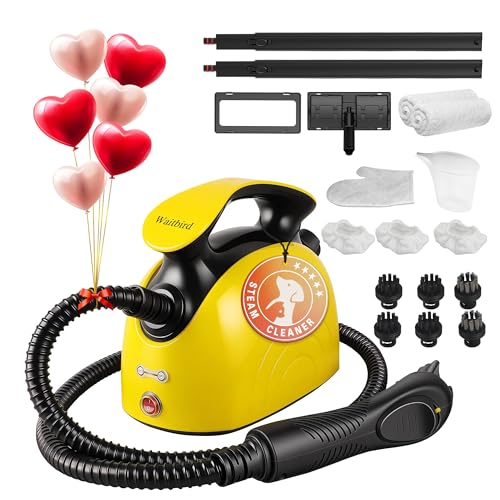
- Electric steam cleaner 1500W floor and upholstery
- 5 gallon wet dry vacuum HEPA filter
- Drill brush attachment cleaning kit grout
- Rotary scrub brush for tile grout cleaning


Before You Start
Assess wall material and finish: painted walls, wallpaper, plaster, or tile. For painted surfaces, avoid aggressive jets and harsh chemicals. Protect adjacent furniture and floors with drop cloths. Let surfaces dry completely between steps whenever possible. Time estimate: 1–3 hours depending on room size and stain level.
Safety tips: Ventilate the area; wear eye protection and gloves for chemical use; never spray liquids directly onto electrical outlets or switches; keep cords away from water sources.
Step-By-Step: How To Clean Walls Thoroughly
- Clear the area and remove wall decor, outlet covers, and switch plates.
- Dust the walls with a microfiber duster or vacuum with a brush attachment to remove loose dirt.
- Prepare a mild cleaning solution (warm water with a small amount of gentle detergent) for painted or wallpapered walls.
- Test a hidden area to ensure no discoloration; wipe with a soft sponge in a circular motion, applying minimal moisture.
- For greasy fingerprints or kitchen walls, use a slightly stronger solution or a drill brush attachment cleaning kit grout on a low setting to lift grime without damaging finish.
- Rinse the sponge frequently and change to clean water to avoid spreading dirt.
- For stubborn stains, switch to the rotary scrub brush for tile grout cleaning technique on ceramic or tile-edged surfaces, ensuring the brush speed is gentle and surface is water-safe.
- Dry the wall with a clean microfiber cloth or allow air-drying; ensure excess moisture is removed to prevent mold.
- If wallpaper is present, avoid steam or soak methods that may peel or warp the substrate.
- For persistent stains, use a specialized wall cleaner designed for your surface type and follow label directions.
- Reattach outlet covers and wall fixtures only after the wall is completely dry.
- Store cleaning tools in a dry area and dispose of waste water according to local guidelines.
Troubleshooting
| Symptom | Likely Cause | Fix | Prevention |
|---|---|---|---|
| Discoloration after cleaning | Detergent residue or dye bleed | Rinse thoroughly; use milder cleaner | Test first; use surface-appropriate cleaners |
| Peeling wallpaper | Too much moisture | Pause, allow to dry, then re-evaluate | Avoid saturated cleaning; use light misting |
| Streaks on painted walls | Uneven moisture | Wipe with a dry microfiber after cleaning | Work in small sections |
| Grey film after cleaning | Hard water mineral deposits | Use distilled water or a vinegar rinse followed by a final rinse | Dry thoroughly |
| Scratches or scuffs | Abrasive cleaning or brush | Switch to a soft cloth; avoid harsh brushes | Use gentler tools on delicate finishes |
Common Mistakes To Avoid
- Using high-pressure methods on delicate surfaces such as wallpaper or thin paint
- Over-wetting walls, leading to moisture damage or mold
- Using bleach or abrasive chemicals that can fade colors or degrade finish
- Neglecting to test cleaner in a hidden area
- Ignoring drying time between steps
Tips For Best Results
- Always start with the least aggressive method and escalate only if needed
- Utilize microfiber fabrics for better dirt pick-up and less lint
- Keep a consistent cleaning rhythm to prevent spotting
- Label and organize cleaning tools by wall type for quick future touch-ups
Call A Professional
Seek professional help if walls show extensive water damage, visible mold, or extensive wallpaper peeling that requires removal and reapplication. Stop cleaning and consult a pro if you notice bubbling paint, cracks, or structural concerns, or if you are unsure about the wall material and appropriate cleaners.
FAQ
Can I use a steam cleaner on painted walls?
Steam cleaners can be effective on certain surfaces but may damage paint or wallpaper, so test first and avoid prolonged exposure.
Is it safe to use a pressure washer on walls?
High pressure can damage surfaces; use a low-pressure setting or alternative methods for delicate walls.
What cleaners are safe for wallpaper?
Choose cleaners labeled for wallpaper and patch-test on a small area before general use.
How long should walls dry after cleaning?
Drying times vary by wall type and humidity; plan for several hours to ensure complete dryness.
Buying Guide
When selecting tools for cleaning walls, consider size, noise, energy use, controls, and placement. A gasoline pressure washer 3000 PSI stainless steel pump can help exterior or heavily soiled surfaces but requires caution and ventilation. For interior use, an electric steam cleaner 1500W floor and upholstery offers gentle, chemical-free cleaning. A versatile 5 gallon wet dry vacuum HEPA filter helps remove loose dust and moisture efficiently. Attachments like a drill brush attachment cleaning kit grout and a rotary scrub brush for tile grout cleaning expand cleaning capabilities for grout and textured surfaces. Consider the room layout, proximity to outlets, and whether you need corded or cordless options.
Key buying factors include:
- Size and reach: Select tools that fit the space you clean most often, with manageable reach for tall walls.
- Noise level: Indoor use benefits from quieter equipment to reduce disturbance.
- Energy efficiency: Look for energy-saving settings and well-insulated designs on steam or vacuum units.
- Controls and ease of use: Simple trigger or dial operations help prevent user fatigue during longer sessions.
- Placement and storage: Choose compact tools with convenient storage to keep cleaning areas tidy.