Clean windows brighten any space, but achieving spotless panes can be challenging. This guide lays out a practical, step-by-step approach for American homes using common tools and a streak-free method. By following the outlined steps, readers can minimize smudges, haze, and water spots on interior and exterior glass.
Quick Answer
Use a streak-free technique with a quality squeegee, microfiber cloths, and a dedicated glass cleaner. Work in dry, shaded conditions, apply cleaner evenly, and wipe in consistent S-patterns for best results. Finish with a dry microfiber to remove any remaining moisture and fingerprints.
What You’ll Need
Gather these tools and supplies to tackle typical window cleaning tasks efficiently.
- microfiber window cleaning cloths streak-free
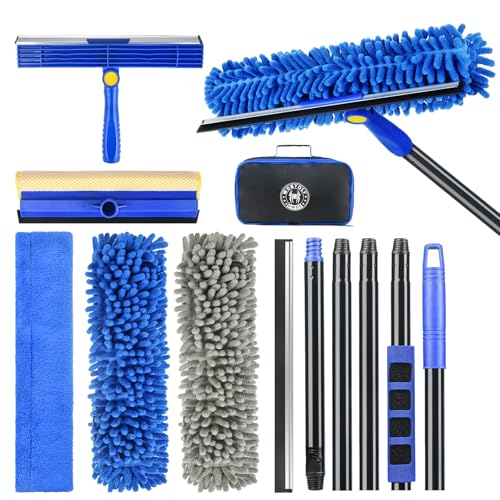
- window squeegee kit with rubber blade 12 inch
- extension pole for window cleaning 18 ft
- window cleaning kit sponge squeegee microfiber
- streak-free glass cleaner spray 24 oz


Before You Start
Prepare the workspace by removing dust from window frames and ensuring the area is free of obstructions. Schedule cleaning on a day with mild temperatures and no direct sunlight, which can cause rapid drying and streaks. Safety first: use a stable ladder and wear non-slip footwear when accessing high panes. Protect floors and furniture with a drop cloth to catch drips. Time estimate: 30–60 minutes for a standard two-panel window, longer for multi-pane or hard-to-reach panes.
Step-By-Step: How To Clean Windows Without Smears
- Prepare cleaning solution in a spray bottle by combining streak-free glass cleaner spray 24 oz with a small amount of water if needed, shaking well.
- Attach an extension pole for window cleaning 18 ft to reach high or upstairs windows without over-extending arms. Keep the pole straight to avoid twisting that can leave streaks.
- Moisten a microfiber cloth with the cleaner and wipe the window frame and corners to loosen dirt before the squeegee pass.
- Using the window squeegee kit with rubber blade 12 inch, start at the top edge and pull down in a straight, overlapping stroke. Wipe the blade with a dry cloth after each pass.
- Switch to a window cleaning kit sponge squeegee microfiber for corners or stubborn spots. Use the sponge side to agitate grime before the final squeegee pass.
- Wipe the window evenly in a continuous motion, slightly overlapping strokes. For stubborn smudges, apply a light droplet of cleaner directly on the spot and rework with the squeegee.
- Switch to a clean, dry microfiber cloth to buff the glass and remove any remaining moisture. This last pass helps prevent water spots and streaks.
- Inspect the pane from different angles. If any streak remains, give a quick final pass with the dry microfiber using a vertical or horizontal direction as needed.
- Repeat for all sections, including corners and edges where water tends to pool. Keep the squeegee blade clean and check for nicks that could leave lines.
- Clean the squeegee blade regularly by rinsing and wiping the edge with a dry cloth to maintain optimal performance.
- For exterior windows exposed to rain or dust, consider a maintenance wipe-down weekly to prevent heavy buildup that causes smears.
- Store tools in a dry, ventilated area to prevent mold on cloths and damage to squeegee blades.
Troubleshooting
| Symptom | Likely Cause | Fix | Prevention |
|---|---|---|---|
| Streaks after cleaning | Drying too quickly, dirty blade, or improper technique | Wipe with clean cloths; rinse blade; redo strokes | Clean blades often; work in shade |
| Cloudy or hazy glass | Residue from cleaner or hard water | Rinse with pure water or use streak-free formula; buff thoroughly | Use quality cleaner; dry promptly |
| Edge drips or pools | Improper blade angle or heavy cleaner on edges | Angle blade slightly downward and remove excess liquid | Apply cleaner sparingly near edges |
| Scratches from squeegee | Dirty blade or rough glass | Clean blade; replace worn rubber | Inspect for grit before cleaning |
Common Mistakes
- Using a dry cloth on wet glass, which pushes grime around instead of lifting it
- Over-wetting the area, creating pooling that dries into streaks
- Using dirty microfiber cloths that re-deposit dirt
- Neglecting edges and corners where buildup commonly hides
Tips For Best Results
- -optimize temperature: aim for cool, overcast days to slow drying and reduce streaks
- Use separate cloths for cleaning and buffing to prevent cross-contamination
- Keep the squeegee blade clean and free of nicks; replace blades as needed
- Work in straight, consistent motions rather than circular sweeps
- Combine microfiber cloths with a high-quality streak-free cleaner for a sharper finish
Call A Professional
Consider a pro if windows are heavily etched, multi-story with hard-to-reach panes, or if interior frames are delicate. Stop and seek help if any glass is cracked or damaged, if there is significant lead paint exposure, or if the cleaning area presents safety hazards beyond routine maintenance.
FAQ
What is the best way to avoid streaks on glass?
Use a streak-free cleaner, a clean squeegee blade, and multiple dry microfiber passes to remove moisture and residue.
Can I clean windows on a sunny day?
Avoid direct sun; it causes fast drying and streaks. Clean on a cool, overcast day or shade.
How often should I clean exterior windows?
Depends on climate, but typically every 4–6 months; more often in dusty or coastal areas.
What tools help reach high windows safely?
An extension pole for window cleaning 18 ft enables safe access to tall panes without ladders.
Buying Guide
When selecting window cleaning gear, consider size, noise, energy use, controls, and placement. For most homes, a window squeegee kit with rubber blade 12 inch provides a balanced blend of control and coverage. A corresponding extension pole expands reach for upper-story windows without climbing. A set of microfiber window cleaning cloths streak-free ensures lint-free drying, while a streak-free glass cleaner spray 24 oz reduces residue. The window cleaning kit sponge squeegee microfiber pairs well with the squeegee for corner work. Place tools in a sanitized area, away from contaminants, and keep sponges dry between uses to avoid mildew. Consider a lightweight kit for frequent use or a heavy-duty option for larger homes. Look for balanced weight, comfortable grips, and blades designed for easy replacement. If you have double-hung windows or panes with tight grooves, an extra-narrow blade can help reduce drag and streaks. For anyone balancing a busy schedule, a reliable kit and quick-dry formulas can save time while delivering crystal-clear results.