Maintaining clean return air grilles helps improve indoor air quality and HVAC efficiency. Regular cleaning reduces dust buildup, supports better airflow, and minimizes strain on your system. This guide walks through practical steps using common tools and safety practices tailored for American homes.
The process is straightforward and can be completed with everyday household tools. Follow the steps, use the right brushes and attachments, and perform periodic checks to keep your ducts and grilles clear of debris.
Quick Answer
Shut off the HVAC system, remove the cover, wipe loose dust, vacuum the grille and surrounding duct, clean the grille using a soft brush or cloth, and reassemble. For stubborn buildup, use a specialized vent brush or extending duster to reach tight spots.
What You’ll Need
- HVAC return air grille cleaning brush long-handled
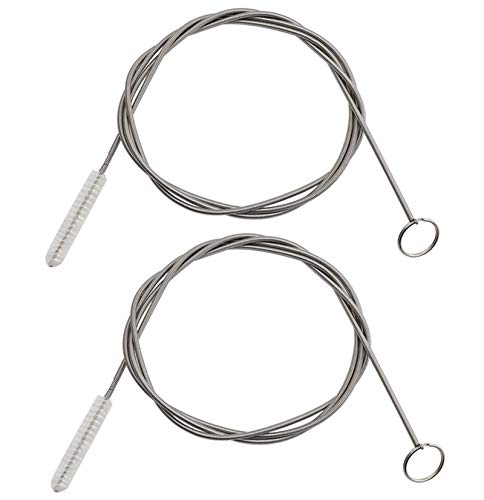
- air vent cleaning brush for return ducts
- extending duster for wall air vents HVAC
- vacuum attachment brush for air vent cleaning
- duct vent cleaning kit for return air grille
- microfiber cloths
- mild detergent or cleaner (optional)


Before You Start
Power off the HVAC system at the thermostat and, if accessible, the breaker panel to ensure safety. Place a drop cloth or old sheet to catch dust, and work in a well-ventilated area. Mask or goggles are optional but helpful for sensitive individuals. Expect the job to take 15–30 minutes per grille, depending on buildup. Do not use harsh solvents or wet cleaning that could damage electrical components.
Inspect the grille and surrounding area for damage or loose components before cleaning. If you notice signs of mold, significant corrosion, or pest activity, pause cleaning and consult a professional.
Step-By-Step: How To Clean Return Air Grille
- Turn off the HVAC system at the thermostat and unplug if accessible to the unit.
- Remove the return air grille cover by unscrewing or sliding it free from the wall or duct opening.
- Gently shake or tap the grille over a trash can to dislodge loose dust and debris.
- Use a vacuum attachment brush for air vent cleaning or a soft brush to lift embedded dust from the grille slats.
- Wipe the grille frame with a damp microfiber cloth. For stubborn grime, use a mild detergent on the cloth and then wipe clean.
- For hard-to-reach areas inside the duct opening, employ an air vent cleaning brush for return ducts or an extending duster for wall air vents HVAC to dislodge debris.
- Vacuum again around the interior edges to capture loosened dust and return air particles.
- Dry the grille thoroughly before reattaching it to the duct or wall.
- Secure the grille and restore power at the thermostat. Run the system briefly to confirm airflow is unobstructed.
- Repeat the process seasonally or whenever you notice excess dust near returns.
- Consider arranging a regular cleaning schedule if multiple returns exist in the home.
- Document any parts that appear damaged or worn for future maintenance or professional inspection.
Troubleshooting
| Symptom | Likely Cause | Fix | Prevention |
|---|---|---|---|
| Weak airflow from return grille | Dust buildup or obstruction | Clean grille and surrounding duct area | Clean grilles quarterly; check for blockages near intake |
| Squeaking or rattling sound after cleaning | Loose grille screws or damaged frame | Tighten screws; inspect for cracks | Inspect during reassembly to ensure snug fit |
| Visible mold on grille | Moisture exposure | Do not scrub with water; contact a professional for mold remediation | Address humidity and dry areas promptly |
| Unpleasant odor when system runs | Accumulated dust or mold within duct | Clean the grille; run fan on fresh air mode if available | Maintain regular cleaning and filter changes |
Common Mistakes
- Using excessive water or solvents on electrical components
- Forcing the grille off without releasing all fasteners
- Ignoring mold or signs of pest activity
- Over-cleaning too aggressively and bending slats
Careful handling of components prevents damage and prolongs the life of the return air system.
Tips For Best Results
- Schedule cleaning during mild weather to allow easier drying if any moisture is used.
- Use a combination of brushes and a vacuum for thorough removal of dust and pet dander.
- Work from the grille outward toward the duct to keep debris from falling back inside.
- Keep replacement filters on hand and check them monthly for optimal airflow.
Call A Professional
Stop and call a pro if you encounter mold growth, persistent odors after cleaning, visible damage to ductwork, or if the return grille is embedded in masonry or plaster. Additionally, any electrical smell, buzzing, or overheating warrants professional attention.
FAQ
How often should I clean return air grilles?
Typically every 3–6 months, or sooner in homes with pets, allergies, or heavy dust exposure.
Can I clean the ducts along with the grille?
Light cleaning at the grille is safe; for duct cleaning, consult a professional if you’re unsure or notice significant buildup.
Will cleaning affect HVAC efficiency?
Yes, removing dust improves airflow and can enhance overall efficiency and air quality.
What if debris falls into the duct while cleaning?
Vacuum the surrounding area and consider a professional cleaning if debris has entered the main duct.
What cleaning tools are best for tight spaces?
Use the extending duster for wall vents and the duct vent cleaning kit for hard-to-reach areas.
Is it safe to use water on the grille?
Use a damp cloth only; avoid soaking the grille to prevent moisture from entering the ductwork.
Should I replace a damaged grille?
Yes, a cracked or warped grille can restrict airflow and should be replaced to maintain efficiency.
Buying Guide
When selecting tools for cleaning a return air grille, consider size, compatibility, and reach. Opt for a multi-tool kit that includes a long-handled brush, an extending duster, and a flexible vacuum attachment to cover various return sizes. Look for soft-bristle brushes to avoid scratching finishes and ensure that attachments are compatible with your vacuum model. Noise level matters for routine use in living areas, so choose quiet, efficient options. For best results, pick tools designed specifically for HVAC cleaning and that can reach behind grills without dismantling surrounding walls.
For placement considerations, assess how many returns exist in the home and whether they are near doors, windows, or high-traffic areas. A compact kit with interchangeable heads can simplify storage and yearly maintenance. Consider a kit that includes a small microfiber cloth set for quick wipe-downs and repeated use.