Stove vent screens and filters play a crucial role in removing grease and odors from your cooking area. Regular cleaning extends the life of your range hood, improves ventilation, and keeps your kitchen looking and smelling fresh. This guide provides practical, step-by-step instructions using common household tools and purpose-built products.
Whether you’re tackling a light cleaning or dealing with heavy grease buildup, the right approach can make the process quicker and safer. The steps below are designed for American kitchens and common range hood configurations, with emphasis on safe handling and effective degreasing.
Quick Answer
Remove the vent screen, soak or spray with a degreaser, scrub with a soft brush or microfiber cloth, rinse completely, dry, and reassemble. For stubborn deposits, repeat or use a stronger degreaser; avoid metal brushes that could damage the mesh.
What You’ll Need
- Stovetop range hood filter cleaning brush
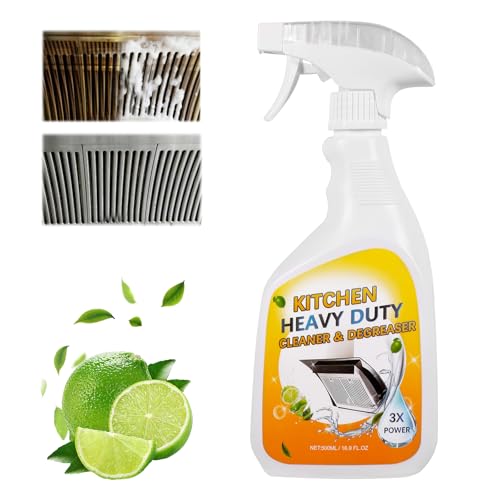
- Range hood vent filter degreaser spray
- Stove hood vent filter replacement kit
- Microfiber cloths for vent filter cleaning
- Grease remover spray for range hood filters


Before You Start
Disconnect or switch off the stovetop’s power if accessible and ensure the hood is cool before handling filters. Work in a well-ventilated area, especially when using chemical degreasers. Remove the filter slowly to avoid tearing. Time estimate: 20–40 minutes for routine cleaning; 60 minutes or more for heavy buildup. Critical cautions: never use abrasive scrubbers on mesh filters, and never soak aluminum filters for extended periods as it can degrade the material.
Step-By-Step: How To Clean Stove Vent Screens
- Turn off the range hood and carefully remove the vent screen or filter according to the manufacturer’s instructions.
- Inspect the filter for damage or wear. If it’s cracked or torn, consider replacing it with a stove hood vent filter replacement kit.
- Lightly shake out loose grease over a trash can to minimize splatter.
- Apply a degreaser spray or grease remover spray generously to the filter surface and let it sit for 5–10 minutes to break down tough deposits.
- Use the stovetop range hood filter cleaning brush or a soft microfiber cloth to scrub both sides of the screen in gentle, circular motions.
- Rinse the filter thoroughly with warm water until all soap and degreaser residue are removed.
- Shake off excess water and let the filter air-dry completely on a rack or towel.
- Reinstall the dry filter and reconnect power if needed. Run the hood briefly to ensure proper airflow once reassembled.
Troubleshooting
| Symptom | Likely Cause | Fix | Prevention |
|---|---|---|---|
| Grease residue sticks after cleaning | Insufficient soaking or old deposits | Reapply degreaser and soak longer; scrub with the brush | Clean regularly to prevent heavy buildup |
| Filter wicks or warps | Excessive moisture or abrasive brushing | Use gentler scrubbing; air-dry thoroughly | Avoid soaking aluminum filters for long periods |
| Smell persists after cleaning | Residual grease inside ductwork | Consider a deeper cleaning of duct area or professional service | Schedule periodic maintenance to prevent buildup |
| Filter cannot be reinstalled | Damaged frame or wrong size | Replace with a compatible kit | Check dimensions before purchasing replacements |
Common Mistakes
- Using rough scrub pads that puncture or scratch the mesh
- Leaving filters soaking in water for too long, especially aluminum
- Neglecting to dry filters completely before reinstalling
- Relying on a single cleaning method for all grease types
Regular maintenance reduces the risk of heavy buildup and keeps the hood operating efficiently.
Tips For Best Results
- Use a microfiber cloth for gentler, streak-free cleaning and reuse after washing.
- Have replacement filters on hand so you can swap if a deep clean isn’t sufficient.
- Warm water speeds up grease loosening, but avoid hot water that could warp certain plastics.
- Label and organize tools to speed up future cleanings.
- Coordinate a cleaning schedule with heavy cooking days to prevent excessive buildup.
Call A Professional
Contact a professional if you notice persistent odor, mold growth on filters, significant corrosion, or if the ductwork shows signs of damage. Stop cleaning attempts if you encounter cracks, dispersed metal shards, or sharp edges that pose injury risk.
FAQ
How often should stove vent screens be cleaned?
Most kitchens benefit from a monthly light cleaning, with deeper cleanings every 3–6 months depending on cooking frequency and grease accumulation.
Can I use dish soap to clean vent filters?
Yes, mild dish soap can assist in breaking down grease when combined with warm water and gentle scrubbing.
Is it safe to use a chemical degreaser on aluminum filters?
Check the product label; many degreasers are safe, but some formulations may corrode aluminum. Rinse thoroughly and dry completely.
What should I do with a damaged filter?
Replace it with a compatible stove hood vent filter replacement kit to maintain proper ventilation.
Can I clean the ductwork as well?
Cleaning ducts is typically more complex and may require professional service to ensure safe and effective results.
Buying Guide
Choosing the right filter and cleaning supplies depends on hood model, kitchen needs, and maintenance goals. Consider factors such as size and compatibility, cleaning frequency, and the level of degreasing power you require.
Key buying factors to evaluate include size compatibility with your existing stove hood, noise level during operation, and energy efficiency if you opt for powerful range hoods. Look for controls that suit your cooking style, and consider the location of the hood and whether a replacement kit or enhanced degreaser is more appropriate for your routine.
For best results, select a versatile set of tools that covers cleaning and replacement—ensuring you have a reliable filter replacement kit and a quality degreaser spray, plus microfiber cloths and a designated brush. If heavy grease is common in your kitchen, a stronger degreaser and a spare filter may be worth the investment. Ready-to-use bundles can simplify maintenance schedules and keep your hood performing at its best. Curious about what fits your setup? Compare models and cleaners based on your hood’s size, airflow requirements, and typical cooking style.