Gold and diamond jewelry requires careful cleaning to maintain luster and prevent damage. This guide provides practical, step-by-step instructions using common tools and gentle solutions suitable for most pieces. Readers will learn how to safely refresh jewelry while preserving settings and finishes.
Quick Answer
For most items, use a gentle solution, a soft-bristle brush, and a soft cloth. Avoid harsh chemicals and long soak times. An ultrasonic cleaner can be powerful but may loosen stones on fragile settings; use it only if advised by the jewelry manufacturer or a professional.
What You’ll Need
The following tools and supplies help clean gold and diamond jewelry effectively. Gather these items before starting.
- Ultrasonic jewelry cleaner gold diamond 40kHz
- Jewelry cleaning kit for gold and diamonds with solution and brush
- Soft bristle jewelry cleaning brush for gold and diamond jewelry
- Gentle jewelry cleaning solution for gold and diamonds
- Jewelry cleaning cloths and polishing kit for gold and diamonds

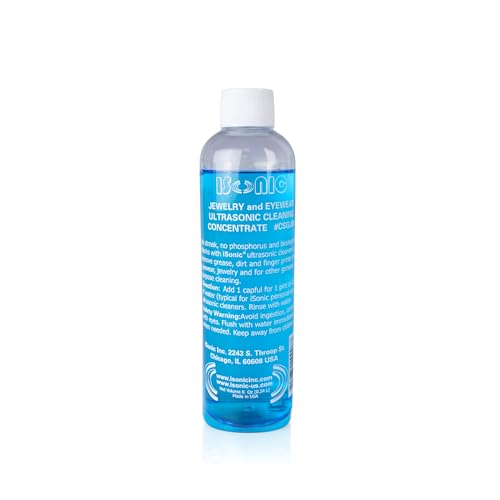

Before You Start
Prepare a clean, stable work area. Remove any jewelry in distress or with loose stones before cleaning. Check for loose settings and prongs; if a piece appears damaged, stop and consult a jeweler. Never use chlorine, bleach, or acetone on gold or diamonds, as these chemicals can damage metals and stones. Soak times should be brief, typically a few minutes, unless the cleaning solution specifies longer. Dry thoroughly with a lint-free cloth to prevent water spots.
Step-By-Step: How To Clean Gold And Diamond Jewelry
- Fill a small bowl with warm water and add a few drops of the gentle jewelry cleaning solution for gold and diamonds.
- Remove any detachable pieces and place the jewelry in the solution for 2–3 minutes to loosen dirt.
- Gently scrub with the soft bristle jewelry cleaning brush for gold and diamond jewelry, focusing on settings and crevices.
- Rinse under lukewarm running water to remove soap residue. Use a strainer to prevent loss.
- Pat dry with a clean, lint-free cloth; avoid rubbing too hard on gemstones and prongs.
- If desired, use an ultrasonic cleaner 40kHz sparingly on sturdy pieces only and follow manufacturer guidelines.
- For diamonds, inspect the girdle and prongs after cleaning and re-tighten or seek professional help if any stone feels loose.
- Finish with a polishing cloth to restore shine and remove minor fingerprints from metal surfaces.
Troubleshooting
| Symptom | Likely Cause | Fix | Prevention |
|---|---|---|---|
| Cloudy appearance on diamonds | Soap residue or mineral buildup | Rinse thoroughly and wipe with a clean cloth | Rinse after cleaning and dry completely |
| Uneven shine on gold | tarnish or polishing unevenness | Re-polish with a soft cloth | Use even, light pressure and work in small sections |
| Stone feels loose | Prongs or settings damaged | Stop cleaning and consult a jeweler | Inspect regularly |
| Discoloration on metal | Harsh chemicals | Stop use of suspect cleaners | Stick to recommended solutions |
Common Mistakes
- Using ultrasonic cleaners on fragile or antique pieces without confirmation
- Soaking longer than recommended, which can loosen stones
- Rubbing too hard with a brush, risking scratches or wear on metal
- Applying household cleaners containing chlorine or acetone
Tips For Best Results
- Test cleaning methods on a small, inconspicuous area before full cleaning
- Use room-temperature water to prevent thermal shock on stones
- Store cleaned jewelry separately to avoid scratches
- Schedule professional inspections annually to maintain settings
Call A Professional
Seek professional help if a piece shows loose stones, bent prongs, or visible damage after cleaning. Stop using harsh chemicals on pieces with special finishes, foiled backs, or anti-tarnish coatings. If a cleaning method causes color changes or damage, consult a certified jeweler immediately.
FAQ
Can I use an ultrasonic cleaner on all gold and diamond pieces?
Not always. Some settings are delicate; consult the piece’s manufacturer or a jeweler before using an ultrasonic cleaner.
How often should I clean diamond jewelry?
Clean lightly every few weeks; more thorough cleanings can be done monthly or quarterly depending on wear.
Is warm water enough for cleaning?
Warm water with a gentle solution is effective for most pieces; avoid hot water or extreme temps that may affect stones or metal.
What should I do if a stone falls out?
Do not try to reinsert the stone yourself. Collect the stone if possible and bring the piece to a jeweler for inspection and safe re-setting.
Buying Guide
When selecting tools and supplies for cleaning gold and diamond jewelry, consider several buying factors to ensure safe and effective results:
- Size and capacity: Choose a compact ultrasonic cleaner or a small cleaning bowl based on the typical size of your jewelry collection.
- Noise level: Look for low-noise ultrasonic units if you clean early in the morning or in shared spaces.
- Energy efficiency: Energy-efficient models help reduce power use during frequent cleaning sessions.
- Controls: Simple timers and adjustable frequency options give better control over cleaning intensity.
- Placement: A dedicated cleaning station with a mat or tray prevents water damage to surrounding surfaces.
Other factors include compatibility with different jewelry types, availability of replacement brushes, and the inclusion of a gentle cleaning solution. For best results, combine a soft-bristle brush with a mild cleaning formula and a soft cloth for final polishing. If in doubt, consult the jewelry manufacturer’s cleaning recommendations. This ensures safety for prongs, foiling, and any treated gems while maintaining brilliance.