Hip flasks are handy for personal beverages, but keeping them clean requires a simple routine. This guide provides a thorough, practical approach for American users, with step-by-step instructions and safety tips to maintain the flask’s finish and odor-free interior.
Whether you use a stainless steel hip flask for occasional outings or a daily carry, a clean flask ensures a fresher taste and longer life. The methods below cover common materials and offer safe techniques that work for most standard flasks.
Quick Answer
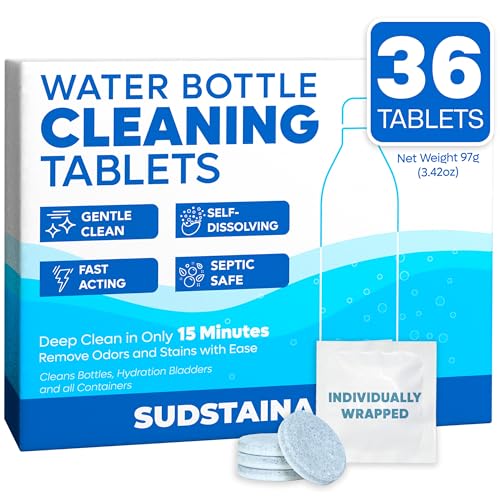
Rinse with warm water, add a gentle cleaning solution, scrub with a dedicated flask brush, rinse thoroughly, and air-dry with the cap off. For stubborn stains or odors, use bottle cleaning tablets designed for stainless steel flasks, then rinse completely and dry.
What You’ll Need
- Stainless steel hip flask cleaning brush
- Long-handle flask cleaning brush
- Flask cleaning kit stainless steel
- Bottle cleaning tablets for stainless steel flasks
- Stainless steel flask bottle cleaning brush set


Before You Start
Safety and preparation matter. Empty the flask and remove the cap. Rinse with warm water to remove surface residue. Avoid extreme heat or harsh chemicals that could damage finishes or seals. Plan for holding and drying the flask in a well-ventilated area. Time estimate: 5–15 minutes for routine cleaning; up to 30 minutes for heavy buildup.
Cautions: Do not use bleach or abrasive cleaners on the interior. Do not soak metal flasks with leather coverings for extended periods. If the cap has a gasket, inspect it for wear and replace if needed to maintain a tight seal.
Step-By-Step: How To Clean A Hip Flask
- Disassemble the flask: remove the cap and any inner liners or sleeves if present.
- Rinse with warm water: swirl water inside to loosen any residue, then pour out.
- Apply a gentle cleaner: add a small amount of mild dish soap or a specialized flask cleaning solution.
- Scrub with a dedicated brush: use the stainless steel hip flask cleaning brush or long-handle flask cleaning brush to reach seams and corners.
- Rinse thoroughly: flush the interior several times with warm water to remove all soap and debris.
- Address stubborn stains: drop in a flask cleaning tablet for stainless steel flasks and let it fizz for the recommended time, then rinse completely.
- Rinse the cap and seal: clean the cap gasket area thoroughly and dry both parts separately.
- Dry completely: air-dry with the cap off or use a microfiber cloth to remove moisture from the interior. Store with the cap off to prevent odor buildup.
- Inspect for odors or residue: if any persists, repeat cleaning steps or use a slightly stronger but gentle cleaner for a deeper clean.
- Reassemble and test: once dry, reassemble the flask and add water to test for leaks before your next outing.
Troubleshooting
| Symptom | Likely Cause | Fix | Prevention |
|---|---|---|---|
| Persistent odor | Residual soap or interior staining | Re-clean with flask cleaning tablets and rinse thoroughly | Rinse after each use and dry completely |
| Stains on interior | Metal reacts with certain drinks | Use a gentle bottle cleaning solution and scrub with a long-handle brush | Rinse promptly after use |
| Cap leaks | Worn gasket or improper sealing | Replace gasket or inspect seal for debris | Regularly inspect and clean the cap area |
| Residue around threads | Soap buildup | Scrub threads separately with a brush and rinse well | Rinse thoroughly after cleaning |
Common Mistakes
- Using abrasive cleaners that damage the interior or exterior finish
- Leaving the flask sealed while drying, which can trap moisture and odors
- Neglecting the cap gasket, leading to leaks or odor transfer
- Failing to rinse completely after using cleaning tablets, causing soap residue
Tips For Best Results
- Use dedicated flask brushes to reach hard-to-clean corners and seams
- Choose a gentle, non-abrasive cleaner designed for stainless steel
- Dry the interior thoroughly before storage to prevent odor buildup
- Periodically inspect the cap gasket and replace it when worn
- Store the flask with the cap off or loosened to allow airflow
Call A Professional
Seek professional assistance if the flask shows persistent rust, deep pitting, or structural damage, or if the cap cannot seal reliably after cleaning. If hygiene concerns arise with any residue or staining that cannot be resolved through cleaning, contact a professional for evaluation.
FAQ
Can I use bleach to clean my hip flask?
No. Bleach can damage stainless steel finishes and leave harmful residues. Use mild cleaners or flask-specific tablets instead.
How often should I clean my hip flask?
Clean after each use, especially if the contents have sugar, citrus, or alcohol, which can cause buildup or odors.
Is it safe to put a hip flask in the dishwasher?
Most flasks are not dishwasher-safe. Hand wash using the steps above to avoid damage.
What if the odor returns after cleaning?
Try a stronger cleaning tablet cycle, rinse thoroughly, and air-dry completely before storage. Repeating the process may be necessary.
Buying Guide
When choosing a flask-cleaning setup, consider size, material, and compatibility with cleaning tools. A dedicated set of brushes and a stainless steel cleaning kit can simplify maintenance. Look for a kit that includes a long-handle brush for hard-to-reach areas and bottle cleaning tablets designed for stainless steel flasks. Compatibility with your bottle’s diameter and opening is important for effective cleaning. If you frequently use flavored or sugary drinks, a more robust cleaning regimen and stronger tablets may be beneficial to prevent staining and odors. Finally, ensure the cleaning tools are durable and easy to sterilize between uses.