Severely tarnished silver can lose its luster and appear dull or blackened. Using the right tools and a careful approach restores shine without scratching the surface. This guide covers practical methods and specifies tools ideal for American households dealing with heavy silver tarnish.
Quick Answer
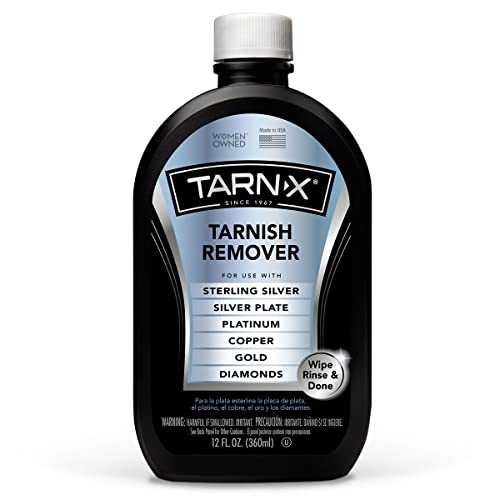
Choose the method based on silver type and tarnish severity: start with a tarnish remover kit or polishing cloth for deep stains, reserve dips and ultrasonic cleaners for stubborn cases, and finish with a protective cloth to maintain shine. Avoid over-wiping to prevent micro-scratches.
What You’ll Need
- sterling silver tarnish remover kit
- silver polishing cloth with paste for heavily tarnished silver
- silver dip tarnish remover liquid
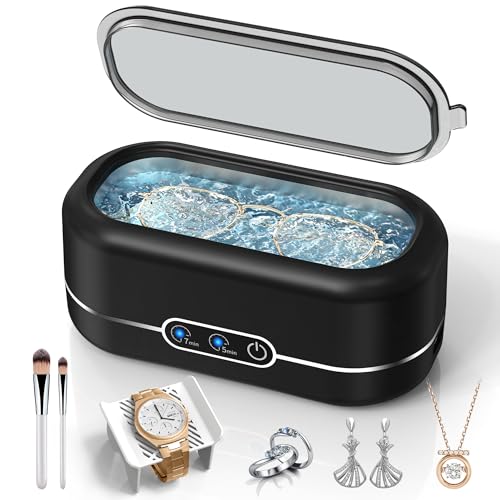
- ultrasonic jewelry cleaner for sterling silver
- jewelry cleaning kit silver tarnish remover plus polishing cloth

Before You Start
Prepare a clean work area with good lighting. Wear cotton gloves to minimize skin oils transferring to the metal. Remove any stones that could be damaged by liquids or agitation. Check product labels for compatibility with silver alloys and gemstones. Time estimates range from 10 minutes for polishing to 30 minutes for deeper cleaning. Important cautions: avoid家庭 ammonia-based solutions on silver-plated items, and never mix cleaning chemicals with bleach or other cleaners.
Step-By-Step: How To Clean Severely Tarnished Silver
- Inspect the piece to identify if it’s solid sterling silver or silver-plated, and note any gemstones or coatings.
- Choose an initial method: start with a tarnish removal kit or polishing cloth for heavy tarnish, reserving dips for particularly stubborn areas.
- If using a tarnish remover kit, follow the included directions to apply the solution evenly over the surface, avoiding prolonged contact on intricate details.
- For polishing cloth with paste, apply a small amount of paste to the cloth and rub gently in circular motions, focusing on heavily tarnished rings, chains, and flat surfaces.
- Rinse or wipe away residue as directed by the product, ensuring no paste or liquid remains in crevices. Dry with a clean microfiber cloth.
- If tarnish persists, place the item in an ultrasonic jewelry cleaner with plain water or a recommended cleaning solution and run a short cycle while monitoring closely.
- After ultrasonic cleaning, rinse and dry fully. Polish again with a soft cloth to restore the final shine.
- Store in a dry, low-humidity environment, ideally in anti-tarnish bags or a lined jewelry box to slow future tarnish formation.
Troubleshooting
| Symptom | Likely Cause | Fix | Prevention |
|---|---|---|---|
| Black residue remains after cleaning | Residual sulfides in tarnished areas | Repeat cleaning with a fresh cloth or kit; avoid over-etching | Clean regularly to prevent buildup |
| Discoloration around stones | Cleaning solution contact with settings | Spot-clean only and protect stones; use gentler methods | Seal stone settings during cleaning |
| Rings or bracelets feel scratchy | Excessive abrasion | Use light pressure, switch to a softer cloth or gentler method | Limit cleaning frequency |
| Piece dull after cleaning | Over-drying or incomplete rinsing | Rinse thoroughly and buff with a clean cloth | Follow product directions precisely |
Common Mistakes
- Overusing silver dips on delicate pieces or stones
- Using abrasive cloths on heavily etched tarnish
- Cleaning tarnished silver too frequently, accelerating wear
- Ignoring gemstone cautions and cleaning settings without protection
Tips For Best Results
- Test cleaning methods on a small, inconspicuous area first
- Use a dedicated polishing cloth for silver to avoid cross-contamination
- Rinse thoroughly after chemical cleaners to remove any residues
- Dry completely before storage to prevent new tarnish from forming
- Store pieces individually in anti-tarnish pouches or lined boxes
Call A Professional
Consider a professional if the item is extremely valuable, contains fragile gemstones, or shows deep pitting or verdigris. Stop and seek expert help if you observe loose settings, cracks, or discoloration spreading beyond a small area.
FAQ
Can I use toothpaste to clean severely tarnished silver?
Toothpaste is not recommended; it can be abrasive and scratch delicate surfaces. Use purpose-made silver cleaners or mild polishing compounds.
Is it safe to clean silver with a home ultrasonic cleaner?
Yes, for plain sterling silver without loose stones. Check gemstones and settings first; some stones or finishes may be damaged by ultrasonic cleaning.
How often should I clean heavily tarnished silver?
Clean as needed to restore appearance, but avoid over-cleaning which can wear away the finish over time.
What’s the best way to prevent tarnish after cleaning?
Store silver in dry environments, use anti-tarnish storage, and wear pieces regularly to slow tarnish buildup from moisture and sulfur compounds in the air.
Buying Guide
When selecting products to clean severely tarnished silver, consider size, noise level, energy use, controls, and placement among other factors. This guide helps compare options for home use:
- <bSize and form: Kits and cloths are ideal for rings and bracelets, while larger pieces may benefit from dips applied with care or an ultrasonic cleaner for larger items.
- <bNoise level: Ultrasonic cleaners vary in sound; choose a model with acceptable noise for home use.
- <bEnergy efficiency: Electric cleaners and dips consume varying amounts of energy; look for energy-saving options if used frequently.
- <bControls: Simple turn-on/off or programmable cycles help inexperienced users, while advanced models offer timer settings for precision.
- <bPlacement: Desktop cleaners or hand-held tools should fit into your cleaning station and storage space comfortably.
- <bMaterials compatibility: Verify product compatibility with sterling silver and any gemstones to avoid damage.
- <bConvenience vs. depth of cleaning: Quick-polish cloths are fast; dips and ultrasonic cleaners offer deeper cleaning but require more caution.
Choosing the right combination of tools—such as a tarnish remover kit for routine care plus a polishing cloth for touch-ups—can simplify maintenance. For heavily tarnished pieces, a silver dip liquid paired with careful use of an ultrasonic cleaner can restore shine while minimizing manual effort. Always follow label directions and test on a small area first to ensure safe, effective results.