Maintaining a dehumidifier helps it run efficiently, extend its life, and improve indoor air quality. This guide provides a clear process to clean a dehumidifier safely, from unplugging the unit to refreshing its coils and catch basin. Readers will find practical steps, recommended tools, and tips to prevent mold and odors.
Quick Answer
Unplug the unit, empty the water bucket or drain the reservoir, wipe down surfaces with a microfiber cloth, clean the filter, and inspect the coils. Dry all parts completely before reassembling. Schedule a thorough clean every few weeks during heavy use and at least once a season.
What You’ll Need
- Dehumidifier cleaning brush
- Dehumidifier filter replacement kit
- Condensate drain hose for dehumidifier
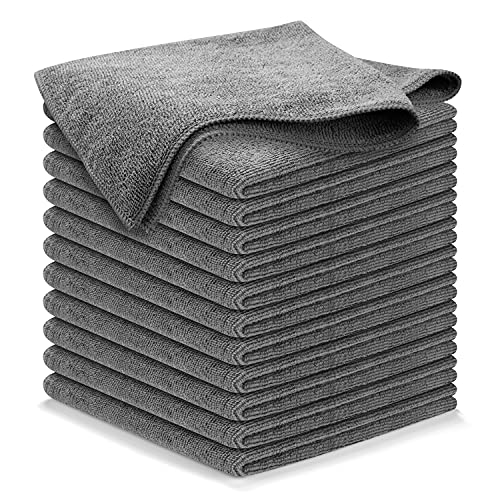
- Microfiber cleaning cloth for dehumidifier
- Coils cleaning spray for dehumidifier


Before You Start
Read the owner’s manual for model-specific instructions and safety notes. Ensure the unit is unplugged and cool before handling internal parts. Place the dehumidifier on a level surface with ample ventilation. Prepare a towel or tray to catch any residual water. If the unit is actively running, wait until it is completely powered down before starting a cleaning sequence.
Safety cautions include avoiding water splashes on electrical components and using non-abrasive cleaners to protect surfaces. If the unit is located in a dusty basement or damp area, consider wearing a mask to limit inhalation of dust while cleaning.
Step-By-Step: How To Clean A Dehumidifier
- Unplug the dehumidifier and disconnect the power cord from the outlet to ensure absolute safety.
- Remove the water bucket or transparent reservoir, if present, and empty it. Rinse with clean water and let it air-dry completely before reattaching.
- Use the microfiber cleaning cloth to wipe the exterior, paying attention to dust on vents and grills. For stubborn grime, a damp cloth with a touch of mild soap is acceptable—follow with a dry wipe.
- Access the filter compartment. If you have a dehumidifier filter replacement kit, replace the existing filter according to the manufacturer’s directions. If you’re cleaning but not replacing, rinse the filter under running water and allow it to dry fully before reinstalling.
- Inspect the condensate drainage components. If your unit uses a drain hose, detach and inspect the hose for clogs or kinks, then clear any buildup. Reconnect the hose securely to prevent leaks.
- Clean the coils by applying a light spray of coils cleaning spray for dehumidifier on the evaporator coils from a safe distance, following the product instructions. Wipe away residue with a damp microfiber cloth and let the coils dry completely.
- Reassemble the unit, ensuring the reservoir and filter are properly seated. Plug the unit back in and run a short test cycle to confirm proper drainage and airflow.
- Inspect seals and gaskets for wear. If you notice cracks or degraded seals, plan for replacement parts to maintain efficiency and prevent leaks.
- Schedule routine cleanings every 2–4 weeks during peak humidity and at least quarterly otherwise to help prevent mold and mineral buildup.
- Keep a maintenance log noting dates of cleaning, filter replacements, and any performance observations for easy future reference.
Troubleshooting
| Symptom | Likely Cause | Fix | Prevention |
|---|---|---|---|
| Unit isn’t cooling or dehumidifying | Clogged filter or dirty coils | Clean or replace filter; clean coils | Clean every 1–3 months during active use |
| Water leaks from the unit | Hose not secured or reservoir incorrectly seated | Reconnect hose and reseat reservoir | Check seals after each cleaning |
| Unusual odor | Mildew in reservoir or filter | Thorough cleaning; replace filter if necessary | Clean regularly, dry parts completely |
| Noisy operation | Loose panels or debris in fan | Remove debris; tighten panels | Dust and clean intake regularly |
Common Mistakes
- Ignoring the air filter and letting it clog, which reduces efficiency.
- Using harsh chemicals that can corrode plastics or coatings.
- Running a unit with a missing or mis-seated reservoir, which can cause leaks.
- Skipping coil cleaning, leading to reduced heat exchange and higher energy use.
Tips For Best Results
- Establish a cleaning cadence aligned with humidity levels and usage patterns. In damp environments, cleaning every 2–3 weeks is wise.
- Always dry all components thoroughly before reassembly to prevent mold growth.
- Store spare filters and hoses in a dry place to prevent contamination during storage.
- Run the unit in a well-ventilated room to minimize odor buildup and maximize efficiency.
Call A Professional
Seek professional service if the unit shows persistent leaks, refrigerant concerns, or faulty electrical behavior. Stop using the dehumidifier if there are buzzing noises, tripping breakers, or signs of overheating, and contact an HVAC technician or the manufacturer’s support line for guidance.
FAQ
How often should I clean a dehumidifier?
Clean the exterior and filter monthly during heavy use, and perform a thorough cleaning every 2–4 weeks in humid months.
Can I use bleach or abrasive cleaners on a dehumidifier?
Avoid bleach and abrasive cleaners; they can damage plastic parts and remove coatings. Use mild soap and water for most surfaces.
What if my water reservoir doesn’t drain properly?
Check the drain hose for kinks or blockages, ensure the reservoir sits correctly, and inspect the drain pump if present.
Is it okay to clean coils with water?
Apply a coil-safe cleaning spray per instructions and wipe gently. Avoid soaking coils, as moisture can damage internal components.
Should I replace the filter every cleaning?
Follow the manufacturer’s guidance; replace filters when they show visible wear or reduced airflow, typically every 6–12 months depending on use.
What signs indicate I need a professional visit?
Persistent leaks, unusual electrical smells, frost on coils, or refrigerant concerns require expert evaluation.
Buying Guide
Choosing the right dehumidifier involves several factors that affect performance and energy use. Consider size and capacity relative to room square footage, noise level for bedrooms and living areas, energy efficiency, control options (manual dials vs. digital with humidity sensors), and placement within the space to optimize airflow. For ongoing maintenance, having readily available items such as a dehumidifier cleaning brush, a dehumidifier filter replacement kit, a condensate drain hose for dehumidifier, and a microfiber cleaning cloth helps sustain performance. Compare models based on runtime in continuous mode, built-in humidistat accuracy, and ease of filter access. Assess warranty terms and compatibility with replacement parts to ensure long-term reliability.