Construction projects often leave a stubborn layer of dust that blankets surfaces, air, and equipment. Proper cleanup reduces health risks, protects newly installed finishes, and speeds up post-renovation enjoyment. This guide provides a practical, step-by-step approach using common tools designed for construction dust, with tips to keep indoor air clean during and after cleanup.
Quick Answer
Start with containment to prevent dust from spreading, then use a combination of a HEPA-equipped vacuum, air purifiers, and controlled ventilation. Finish with damp cleaning to capture fine particles and seal the space for final inspection. For heavy debris, a shop vac with a sealed system can contain messes without releasing dust back into the room.
What You’ll Need
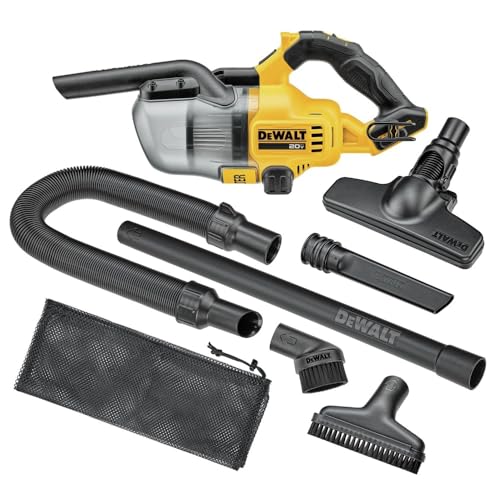
- HEPA vacuum cleaner for construction dust
- HEPA air purifier for post-construction dust
- Shop vac with sealed system for construction debris
- Dust extractor for remodeling cleanup
- Portable air scrubber with HEPA for renovation dust


Before You Start
Clear the area and cover floors with disposable or washable coverings. Close doors to unaffected rooms and seal off HVAC returns if possible to prevent dust circulation. Plan cleaning in stages: initial rough cleanup, then fine detailing. Safety first—wear a dust mask or respirator, eye protection, and gloves, especially when handling drywall dust, plaster, and sanding debris. Estimate total cleanup time as a range to set expectations for the crew and occupants.
Step-By-Step: How To Get Rid Of Dust After Construction
- Close off the work area and lay down plastic sheeting to contain dust from spreading to other rooms.
- Vacuum large debris with a shop vac with sealed system for construction debris to prevent dust escape during cleanup.
- Use a HEPA vacuum cleaner for construction dust on all surfaces, starting from the highest point and moving downward.
- Run a portable air scrubber with HEPA in the room to continuously filter air while you clean.
- Wipe down walls, ceilings, and flat surfaces with a damp microfiber cloth to trap fine particles without stirring them back into the air.
- Damp mop floors and wipe baseboards after vacuuming to capture residual dust on hard surfaces.
- Repeat vacuuming and wiping to reduce fine settling, especially in corners and behind fixtures.
- Install or run HEPA air purifier for post-construction dust near the cleaning zone to improve air quality rapidly.
- Check HVAC filters and consider replacing them to prevent dust recirculation once cleanup progresses.
- Empty waste receptacles with care, sealing bags to prevent dust from becoming airborne during disposal.
- Perform a final pass with the vacuum and damp cloth to ensure a thorough finish before reoccupying the space.
- Document areas that still show fine dust and plan a follow-up cleaning if needed after settling times.
Troubleshooting
| Symptom | Likely Cause | Fix | Prevention |
|---|---|---|---|
| Dust returns quickly after cleaning | Ventilation draws dust from other areas | Seal off returns, use portable air scrubbers | Maintain barriers during cleanup |
| Dust on surfaces despite vacuuming | Incorrect technique or dry cleaning without damp wipe | Switch to damp microfiber wipes, vacuum first, then wipe | Clean in sections from top to bottom |
| HEPA vacuum loses suction | Filter clogged or bag full | Replace filters, empty canister immediately | Regular maintenance during cleanup |
| Fine dust in air despite purifiers | Insufficient purifier coverage | Increase purifier placement and run time | Keep doors closed during operation |
Common Mistakes
- Using dry dusting on walls, which resuspends particles into the air
- Neglecting to seal HVAC returns or ducts during cleanup
- Overlooking corners and behind fixtures when vacuuming
- Relying on a single tool; effective cleanup requires multiple devices working together
Addressing these mistakes with a coordinated approach helps ensure deeper dust removal and faster reoccupation of the space.
Tips For Best Results
- Run a portable air scrubber with HEPA continuously during cleanup for best air quality.
- Work methodically: top-to-bottom cleaning minimizes recontamination of already cleaned areas.
- Keep a dedicated cleanup kit ready with damp cloths, microfiber towels, and spare filters.
- Replace disposable coverings after each major cleanup phase to prevent further dust spread.
- Schedule extra cleanup days for thorough dust removal in challenging spaces like closets and crawl spaces.
Call A Professional
If dust persists after multiple cleaning passes, or if the space contains hazardous materials such as asbestos-containing materials or lead paint, contact a licensed professional. Signs that you should call a pro include persistent airborne dust after using HEPA equipment, unusual odors, or visible debris in hidden areas like inside walls or ducts. A pro can assess containment, provide specialized equipment, and ensure compliance with safety regulations.
FAQ
What is the most effective tool for post-construction dust?
The combination of a HEPA vacuum cleaner for construction dust and a HEPA air purifier for post-construction dust is highly effective, especially when used with a sealed-systems shop vac for debris removal.
How long does it typically take to clean after construction?
Timing varies by space size and dust level, but a small room may require several hours, while larger areas can take a day or two with proper equipment and staging.
Should I clean during or after the job is finished?
Clean in phases during construction to prevent heavy buildup, then perform a comprehensive post-construction cleanup using HEPA filtration and damp wiping.
Can I reuse cleaning tools for subsequent renovations?
Yes, but ensure tools and filters are cleaned or replaced between projects to avoid cross-contamination.
What if I have allergies or asthma?
Using multiple HEPA devices and keeping the space well-sealed during cleanup helps minimize triggers and improve comfort.
Buying Guide
When choosing equipment for post-construction cleanup, consider size, noise, energy use, and placement flexibility. A HEPA vacuum cleaner for construction dust should offer strong suction and sealed-filter design to handle drywall, plaster, and sawdust. A dust extractor for remodeling cleanup helps capture debris from tooling and sanding. Pair these with a portable air scrubber with HEPA and a HEPA air purifier for post-construction dust to maintain a clean, healthy indoor environment. Look for units with easily replaceable filters, clear indicators for maintenance, and compatible accessories for upholstery and ledges. For placement, ensure outlets or extension cords don’t create tripping hazards and position purifiers to optimize airflow without creating crosswinds that stir settled dust.
Size matters: choose devices that match room dimensions and typical debris volume. Noise levels affect comfort in living spaces, so consider models with adjustable fan speeds or night modes. Energy efficiency reduces long-term operating costs, important for multi-room cleanups. Controls should be intuitive for quick setup and ongoing operation. Finally, consider how easily the equipment can be moved between rooms and stored when not in use. A well-rounded kit typically includes a HEPA vacuum, a sealed-system shop vac, a dust extractor, an air scrubber, and a dedicated air purifier for ongoing air quality management.