Clogged or dirty filters can reduce washing performance, cause odors, and shorten your machine’s life. This guide explains a practical method to clean a washing machine filter using common tools and a dedicated cleaning kit. It covers front-loading and top-loading models and points to safe, effective steps for American households.
Quick Answer
Clean your washing machine filter regularly—every 1–3 months for average use. Start by locating the filter, removing debris, rinsing thoroughly, and reinstalling. For stubborn buildup, use a specialized cleaning kit or brush designed for filters and drain pumps.
What You’ll Need (Tools And Materials)
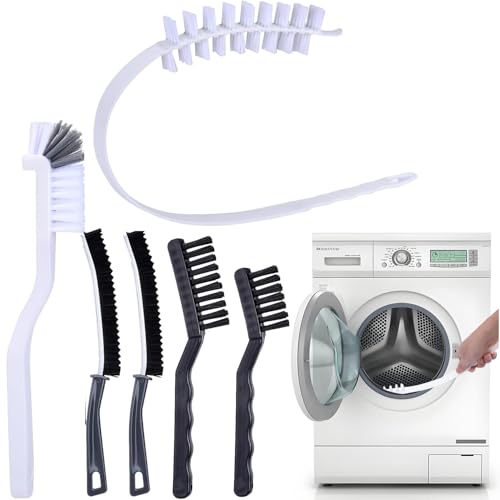
- washing machine filter cleaning kit
- front load washer drain pump filter cleaning brush
- front load washer filter cleaning brush
- washer lint filter cleaning tool
- washing machine pump filter cleaning tool kit

Before You Start
Prepare a towel or small tray to catch water, and have a flashlight handy to inspect the filter area. Turn off power to the machine and unplug it. If your machine is installed behind cabinetry or hard-to-reach panels, consider moving it slightly to access the filter door. Important safety note: never work on a live electrical appliance with wet hands or when the area is flooded. Allow the drum to cool if recently used, and follow the manufacturer’s instructions for your model.
Step-By-Step: How To Clean A Washing Machine Filter
- Unplug the washer and locate the filter access panel or lid. For front-loaders, the filter is usually near the bottom front; for top-loaders, check the back or side panel.
- Open the panel and place a towel beneath to catch any water. If the filter is a pump filter, prepare to unscrew counterclockwise and slowly release any pressure.
- Remove the filter assembly and pull out the lint or debris. Use a front load washer filter cleaning brush or washer lint filter cleaning tool to loosen stubborn gunk.
- Rinse the filter under running water to wash away remaining debris. Use a soft brush to dislodge mineral buildup or hair without scratching the surface.
- Inspect the filter housing for residual debris. Use a flashlight if needed and remove any clogs from the pump screen or hose connections.
- Reassemble the filter and tighten securely. Wipe the area clean before closing the access panel.
- Run a short test cycle with no load to verify proper drainage and check for leaks. If water remains pooled, recheck the filter seating and seals.
- Document the date of cleaning. Scheduling reminders every 1–3 months helps prevent buildup and maintain efficiency.
Troubleshooting
| Symptom | Likely Cause | Fix | Prevention |
|---|---|---|---|
| Water not draining after cleaning | Filter not seated properly | Remove and reseat the filter firmly | Check for O-ring damage; replace if worn |
| Smelly washer after filter cleaning | Residual detergent and lint buildup | Run a maintenance cycle with hot water and a cleaning agent | Clean lint trap monthly |
| Water leak around filter area | Seal or gasket damage | Inspect seals; replace if cracked | Avoid over-tightening, which can damage seals |
| Filter shows frequent clogging | lint and debris from clothes or hoses | Clean filter more regularly; check hoses for leaks | Use proper laundry loads and lint-rich garments separately |
Common Mistakes
- Over-tightening the filter on reassembly, which can strip threads or damage seals.
- Using harsh cleaners or chemical drains when cleaning the filter area.
- Forgetting to unplug the machine before starting maintenance.
- Neglecting to dry the filter housing, which can accelerate mold growth.
Tips For Best Results
- Clean the filter before starting a load if you notice reduced draining or odors.
- Keep a small brush dedicated to the filter to avoid cross-contamination with other cleaning tools.
- Perform a maintenance run every few months with hot water and a mild cleaner to prevent mineral buildup.
- Check the user manual for model-specific filter access instructions and torque recommendations.
Call A Professional
Consider a professional if the filter is inaccessible behind panels, if you notice persistent leaks after reseating, or if the pump pump filter continues to clog despite regular cleaning. Seek help promptly if you detect electrical smells, loud noises during drainage, or if the washer does not advance to the wash cycle.
FAQ
How often should I clean a washing machine filter?
Most homes benefit from a filter cleaning every 1–3 months, depending on usage and laundry types.
Can I use bleach or vinegar to clean the filter?
Avoid strong chemicals directly on the filter housing. Use mild cleaners or follow the manufacturer’s recommendations.
What if the filter is stuck and won’t unscrew?
Apply gentle pressure and use a rubber grip; if stuck, stop and contact a professional to prevent damage.
Is a front-load washer filter different from a top-load washer filter?
Yes, the access point and filter design vary by model; consult the user manual for exact steps.
Buying Guide
Choosing the right accessories for filter maintenance can simplify routine cleaning and extend a washing machine’s life. Consider the following factors:
- Size and compatibility: Ensure any cleaning kit or brush set fits your model and access panel location.
- Noise level: Some tools include flexible handles or non-slip grips to minimize friction during cleaning.
- Energy efficiency impact: Regular cleaning helps pumps run more efficiently, potentially reducing energy use.
- Controls and features: Look for simple, ergonomic brushes that reach tight spaces without scratching surfaces.
- Placement: Store the cleaning kit where you routinely perform laundry tasks for quick access.
When comparing options, consider whether a kit includes a dedicated drain pump filter cleaning brush and a front load washer drain pump filter cleaning brush, as well as how it seals against wet environments. A well-chosen set supports regular maintenance and helps prevent clogs, odors, and drainage problems.