Laminate floors offer a durable, affordable alternative to real hardwood, but they require careful cleaning to maintain their shine and prevent damage. A well-planned deep-clean routine removes built-up grime, lifts stubborn stains, and extends the life of the laminate’s protective layer. This guide provides practical steps, right tools, and safety tips tailored for American homes and common household setups.
Understanding the right technique helps prevent warping, dulling, or swelling from moisture. The emphasis is on gentle, effective methods that remove grime without saturating the joints. Readers will find a practical, step-by-step process that leverages specific tools designed for laminate care, supported by troubleshooting tips and best-practice recommendations.
Quick Answer
For a thorough clean: sweep or vacuum to remove debris, then use a damp microfiber mop with a laminate-friendly cleaner. Avoid soaking floors; use a handheld scrubber for stuck-on spots, and finish with a dry microfiber wipe to prevent moisture buildup.
What You’ll Need
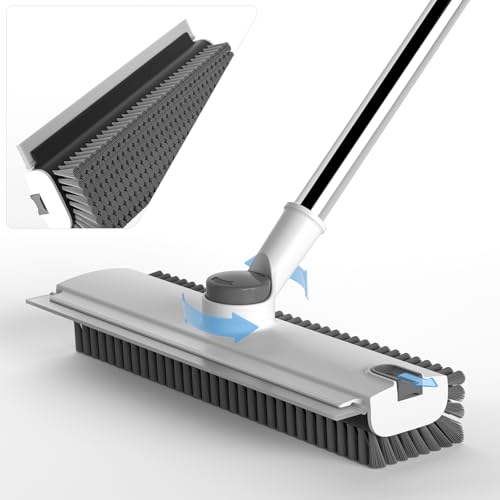
- Laminate floor cleaning scrub brush
- Microfiber mop for laminate flooring
- Steam mop for laminate floors
- Electric spin mop for laminate floors
- Handheld floor scrubber for laminate


Before You Start
Prepare the area by removing furniture or placing protective pads under legs. Check the laminate manufacturer’s care guide before applying cleaners, as some formulas can dull finishes. Vacuum or sweep to remove loose dirt and grit that could scratch surfaces. Avoid excessive moisture—mixture should be damp, not wet—and never use steam on floors that aren’t explicitly rated for it. Allow any damp areas to air-dry completely before walking on them to prevent water seepage into seams.
Step-By-Step: How To Deep Clean Laminate Floors
- Clear the room and remove all debris with a dry broom or vacuum designed for hard floors.
- Fill a bucket with a manufacturer-approved laminate cleaner or a mild solution of water and a few drops of dish soap. Do not use harsh chemicals, wax, or solvent-based cleaners.
- Attach a microfiber mop pad or use a microfiber cloth to ensure lint-free cleaning and quick drying.
- Lightly mist the floor with the cleaner, working in small sections to prevent over-wetting. Use a laminate floor cleaning scrub brush for stubborn spots around door thresholds or baseboards.
- Gently scrub any stubborn stains with the handheld floor scrubber for laminate, avoiding excessive pressure that could wear away the finish.
- Wipe the area with a dry microfiber cloth or a dry pad to remove residual moisture and prevent streaks.
- Repeat in sections until the entire area is cleaned, paying extra attention to high-traffic zones and areas near entrances.
- Allow floors to air-dry completely before moving furniture back into place.
- Optional: For ongoing shine, lightly buff with a clean, dry microfiber pad after drying to remove any remaining haze.
- For larger homes, consider using a controlled-movement steam or electric spin mop only if the manufacturer approves steam cleaning for your laminate.
- Finish with a quick inspection for missed spots, re-cleaning as needed without saturating the floor.
- Store cleaning tools dry and upright to prevent mildew in mop heads and brushes.
Troubleshooting
| Symptom | Likely Cause | Fix | Prevention |
|---|---|---|---|
| Streaks after cleaning | Residue from cleaner or water droplets | Wipe with a dry microfiber cloth; use less cleaner next time | Use only damp mop, not soaking wet |
| Discoloration or dull finish | Harsh cleaner or over-wetting | Switch to manufacturer-approved product; ensure quick-dry technique | Test cleaner on a small area first |
| Warping or swelling | Excess moisture seeping into seams | Use minimal moisture; dry promptly | Avoid steam mops unless approved by manufacturer |
| Scratches after cleaning | Abrasive tools or grit | Switch to soft microfiber pads; remove grit before cleaning | Vacuum or sweep thoroughly before mopping |
| Stubborn oily spots | Greasy residues | Apply a small amount of cleaner directly and scrub gently | Cleaner formulation suited for laminate surfaces |
Common Mistakes To Avoid
- Using excess water or soaking the floor, which can damage seams.
- Employing wax-based or oil-based cleaners that leave dull films.
- Using abrasive brushes or scrub pads that scratch the finish.
- Relying on steam cleaning unless the laminate is rated for it.
- Ignoring manufacturer guidelines for maintenance products.
Tips For Best Results
- Dust and sweep daily or between deep cleans to minimize grime buildup.
- Choose a dedicated microfiber mop with a washable pad for repeated use.
- Work in planned sections to maintain even cleanliness and drying times.
- Use a slightly damp mop rather than a soaking-wet one to protect seams.
- Rotate cleaning tools to prevent wear on a single area and ensure even results.
Call A Professional
Consider a professional if floors show extensive damage, persistent swelling, or large water-related issues after cleaning. Stop cleaning and contact a professional if you notice warping, bubbling, or soft planks that indicate moisture infiltration beyond routine maintenance.
FAQ
Can I steam clean laminate floors?
Only if the manufacturer explicitly approves steam cleaning for your laminate. Most laminates are not steam-safe and may swell from excess moisture.
What’s the best cleaner for laminate floors?
Use a cleaner designed for laminate flooring or a mild solution of water with a small amount of dish soap. Avoid waxy or solvent-based products.
How often should I deep clean laminate floors?
Deep cleaning every 1–2 months is typical for busy households, with lighter maintenance between cleanings.
Can I use vinegar on laminate floors?
Vinegar can be too acidic for some laminates and may void warranties; check your manufacturer’s guidance before using vinegars-based solutions.
What about pet messes and stains?
Blot up liquids immediately and clean with a laminate-safe cleaner to prevent staining or odor buildup.
Is a steam mop safe for all laminate floors?
No. Only use steam mops if the manufacturer lists your specific laminate as steam-safe.
Do I need to seal laminate floors?
No sealing is required for laminate floors; regular cleaning and maintenance are sufficient.
Buying Guide
When choosing cleaning tools for laminate floors, consider size, noise, and energy use as well as how you plan to clean. For a deep clean, a microfiber mop for laminate flooring paired with a dedicated cleaner is a reliable setup. A laminate floor cleaning scrub brush helps with stuck-on grime, while a handheld floor scrubber for laminate provides targeted spot cleaning. If you prefer hands-free cleaning, a electric spin mop for laminate floors can be efficient, but confirm compatibility with your flooring. Some homes with open floor plans may benefit from a wider cleaning head to cover more area between thresholds.
Key factors include:
- <bSize and coverage: Choose a mop with a broad head for large rooms and a comfortable handle for extended use.
- <bNoise level: Quieter models reduce disturbance in living spaces or apartments.
- <bEnergy efficiency: Manual or lightly powered tools minimize energy use for routine cleans.
- <bControls and ease of use: Simple controls and quick-dry settings help maintain consistency.
- <bPlacement: Store tools in a dry, accessible area near cleaning supplies to encourage regular use.
For best results, compare tools by how they handle edges, grout lines, and transitions between rooms. Read manufacturer guidelines for cleaning products and ensure compatibility with your laminate’s finish. A combination approach—daily dry sweeping, periodic damp mopping, and spot scrubbing for tough spots—often yields the cleanest, longest-lasting floors.