Outdoor granite adds lasting beauty to patios, walkways, and features. Routine cleaning removes dirt, algae, and mildew while preserving the stone’s natural color. This guide provides a practical, safe approach for American homeowners to clean outdoor granite using common tools and purpose-made products.
Quick Answer
For a fast, effective clean: rinse the surface, scrub with a mild, pH-neutral cleaner and an exterior stone cleaning brush, rinse again, and allow to dry. For stubborn stains, apply a granite poultice stain remover outdoors, then reseal with a pH-neutral granite sealer to protect against future staining.
What You’ll Need
- Granite cleaner for outdoor stone patio
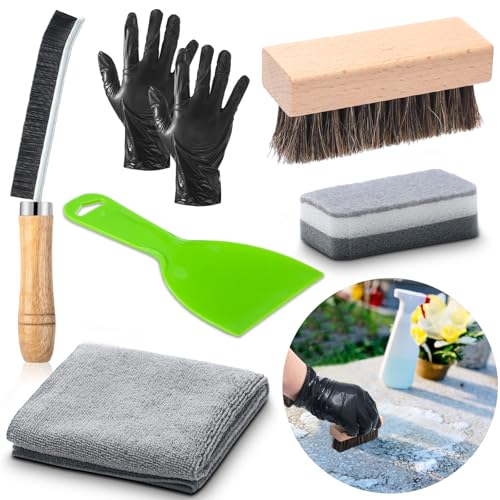
- Exterior stone cleaning brush for granite surfaces
- High-pressure washer concrete and granite cleaner outdoor (optional, for heavy buildup)
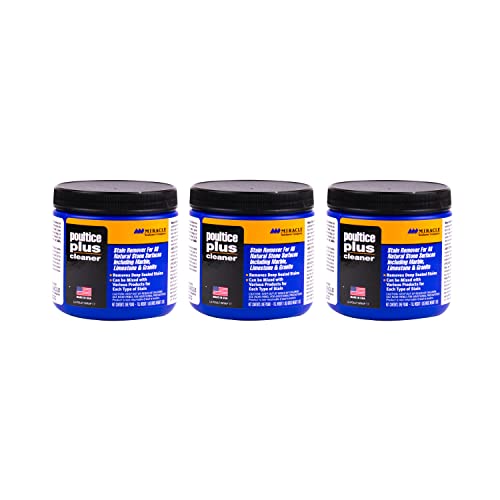
- Granite poultice stain remover outdoor
- PH-neutral granite sealer outdoor stone
- Soft bristle broom and clean cloths
- Water source and bucket

Before You Start
Check local weather and choose a dry day to prevent rapid drying and streaking. Test a small, inconspicuous area first to ensure the cleaner does not alter color. Wear gloves and eye protection, especially when working with concentrates. Protect nearby plants with plastic sheets if there is drift from cleaning products. Time estimate: 1–3 hours depending on area and staining severity.
Critical cautions: never use acidic cleaners (like muriatic acid) on natural granite, as they can etch the surface. Avoid metal brushes that may scratch the stone; use a soft-bristle exterior stone cleaning brush instead.
Step-By-Step: How To Clean Outdoor Granite
- Rinse the surface with water to remove loose dirt and debris.
- Mix a mild, pH-neutral granite cleaner with water according to the product instructions.
- Apply the cleaner to the granite and scrub with the exterior stone cleaning brush, working in small sections.
- Rinse the area thoroughly to remove all cleaner residue. Repeat if streaks remain.
- For stubborn stains, apply a granite poultice stain remover outdoors following the label directions and cover with a breathable material until the stain lifts.
- Rinse again and allow the surface to dry completely.
- If the granite has become weathered or shows signs of surface contamination, consider repeating the process or using a high-pressure washer with a suitable cleaner for exterior stone (avoid direct blasting on sealed edges).
- Once clean and dry, apply a pH-neutral granite sealer outdoor stone to protect against future staining and water penetration. Follow the sealer’s application instructions and cure time.
- Inspect the sealed area after 24–48 hours and re-seal any thirsty spots if needed.
- Maintain regular cleaning intervals to prevent buildup of algae, mold, or mineral deposits.
- Document observed issues (pitting, color change, or loose grout) and address promptly to preserve longevity.
- Store cleaning tools clean and dry to prevent carryover of residues to other outdoor surfaces.
Troubleshooting
| Symptom | Likely Cause | Fix | Prevention |
|---|---|---|---|
| Streaks after cleaning | Improper rinsing or residue | Rinse thoroughly; repeat with fresh water | Rinse in multiple directions; avoid over-sudsing |
| Dark spots remain after cleaning | Organic staining or mineral deposits | Apply granite poultice stain remover outdoors as directed | Address staining early; use appropriate sealant |
| Granite feels etched or scratched | Harsh cleaners or abrasive brushing | Switch to pH-neutral cleaner and soft brush; avoid metal tools | Test cleaners on inconspicuous areas |
| Sealant fails to penetrate | Surface intact but contaminated with sealant-blocking residues | Clean thoroughly and re-apply after drying | Prepare surface properly before sealing |
Common Mistakes
- Using acidic cleaners on granite surfaces, which can etch and dull the stone.
- Scrubbing with abrasive brushes that scratch the granite finish.
- Skipping a thorough rinse, leaving residue that attracts dirt.
- Oversealing or applying sealant too soon after cleaning, trapping moisture.
Tips For Best Results
- Work in shade to prevent cleaners from drying too quickly and causing streaks.
- Test products on a small, hidden area before full application.
- Use a dedicated exterior stone cleaning brush to maintain bristle integrity and prevent cross-contamination.
- Schedule annual or biannual cleaning plus resealing to maintain color and protect against weathering.
- Keep pets and children away from treated areas until cleaners are fully rinsed and surfaces are dry.
Call A Professional
Consider contacting a professional if granite surfaces show deep staining, severe pitting, or significant color change that does not respond to routine cleaning. Stop and seek help if the surface remains slick, if sealer fails to cure properly, or if you notice water pooling abnormally, as these can indicate substrate issues that require expert assessment.
FAQ
Can I use a pressure washer to clean outdoor granite?
Yes, a high-pressure washer with a suitable stone cleaner can help remove heavy buildup, but avoid direct blasting on delicate or sealed edges to prevent damage.
What does a pH-neutral granite sealer do?
A pH-neutral sealer protects the surface from water penetration and staining while remaining safe for plants and adjacent materials.
How often should I seal outdoor granite?
Typically every 1–3 years, depending on traffic, weather, and cleaning frequency.
Is granite poultice effective for all stains?
Poultices work best for organic or stubborn stains and should be used per manufacturer directions in outdoor settings.
Buying Guide
Key buying factors help homeowners select the right products for cleaning outdoor granite and maintaining its beauty over time. The right kit should include a dedicated granite cleaner for outdoor stone patio, an exterior stone cleaning brush for granite surfaces, a granite poultice stain remover outdoor for tough spots, a pH-neutral granite sealer outdoor stone, and optionally a high-pressure washer cleaner designed for concrete and granite surfaces. Consider these perspectives:
- Surface size and layout: Larger areas may benefit from a spray-down approach with a high-pressure washer, while intricate spaces require careful hand cleaning with a brush.
- Stain types: Organic stains respond to poultice treatments; mineral deposits may need stronger rinsing and repeat cleaning.
- Sealant choices: Choose a breathable, pH-neutral sealer compatible with outdoor stone to preserve texture and color without trapping moisture.
- Application ease: Look for cleaners and sealers with clear instructions and minimal odor for convenient home use.
- Durability and safety: Select products labeled safe for exterior stone and surrounding vegetation, and verify compatibility with existing finishes.
- Maintenance cycle: Factor in seasonal maintenance and cleaning frequency to align product selections with your routine.
With the right toolkit and a methodical approach, outdoor granite remains vibrant and durable. Are you ready to tackle your patio or walkway with confidence?