Copper door handles add a warm, welcoming touch to homes, but maintaining their shine requires care. This guide explains safe, effective methods using common cleaning tools and products designed for copper hardware. Readers will learn how to remove tarnish, restore luster, and preserve the finish without damaging the metal or surrounding surfaces.
Following best practices helps prevent scratching, etched fingerprints, and future oxidation. The steps below emphasize gentle cleaning, proper drying, and preventive maintenance to keep copper hardware looking its best for years to come.
Quick Answer
For a quick, effective clean: remove loose dirt with a soft cloth, apply a nonabrasive copper polish or copper cleaner paste with a soft cloth, gently buff in circular motions, rinse with a damp cloth, dry thoroughly, and finish with a light application of oxidation remover spray if needed to address dark tarnish. Regular upkeep reduces buildup and preserves shine.
What You’ll Need
- copper door handle cleaning kit with soft cloths
- copper cleaner paste for door hardware
- nonabrasive copper polish for door handles
- oxidation remover for copper door hardware spray
- microfiber cleaning cloths for copper door handles
 |
Malco 4.4 Oz Twinkle Copper Cleaner 75105, 4 3/8 oz | |
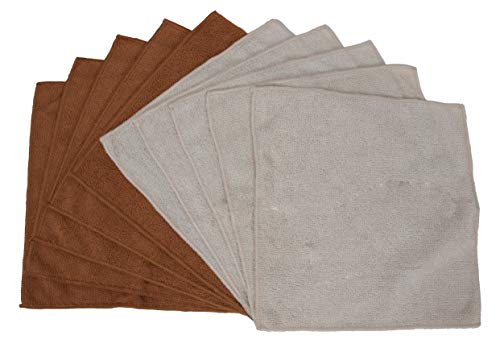 |
Copper Lane Lint Streak-Free Microfiber Cleaning Cloths, Tan and Copper |
Before You Start
Assess the door hardware and surrounding finish for cautions such as lacquered coatings or antique patinas. Test any cleaner on a small, hidden area first. Work on the hardware and surrounding surfaces with low moisture to avoid dripping onto wood or painted surfaces. Time estimate: 15–40 minutes for a standard door handle, longer for heavily tarnished finishes. Important: always wear gloves and avoid abrasive pads that can scratch copper or remove protective coatings.
Step-By-Step: How To Clean Copper Door Handles
- Remove loose dust using a soft microfiber cloth to prevent scratching during cleaning.
- Apply a small amount of copper cleaner paste to a clean, soft cloth. Use a gentle, circular motion to cover tarnished areas.
- For light tarnish, wipe with a damp cloth to remove paste residue, then dry with a clean microfiber cloth.
- If deeper tarnish persists, apply oxidation remover spray according to the label, avoid overspray on adjacent finishes, and wipe away after a few minutes.
- Buff the handle with a dry microfiber cloth until a natural luster returns; repeat as needed for stubborn spots.
- Finish with a light coat of nonabrasive copper polish to seal and protect the surface; buff fully to remove any residue.
- Inspect the lever or knob for streaks and rub them away; ensure all moisture is dried to prevent watermarks.
- Clean adjacent hardware and escutcheons in the same manner if they are copper or brass to maintain a consistent look.
- Periodically repeat maintenance every few months, or sooner if the area experiences high fingerprints or moisture exposure.
- Store cleaning materials out of reach of children and away from heat sources; label cleaners clearly for easy reordering.
- Dispose of any used cloths in accordance with local safety guidelines and rinse with clean water before reuse.
Troubleshooting
| Symptom | Likely Cause | Fix | Prevention |
|---|---|---|---|
| Persistent dark tarnish after polish | Heavy oxidation or sealant residue | Apply oxidation remover spray as directed, then re-polish | Regular cleanings and gentle polishing schedule |
| Scratch marks after cleaning | Abrasive pad or rough cloth used | Switch to nonabrasive cloths and mild cleaners | Use soft microfiber only |
| Streaky finish post-cleaning | Moisture left on surface | Dry thoroughly with a lint-free cloth | Wipe with dry cloth immediately after cleaning |
| Patches of dullness on copper | Uneven application or residue | Reapply a thin layer, buff evenly | Apply in a shaded area to avoid quick drying |
Common Mistakes
- Using abrasive cleaners or pads that scratch copper surfaces.
- Over-wetting the area, which can affect nearby wood or painted trim.
- Skipping a final dry and buff, leaving watermarks or fingerprints visible.
- Relying on a single method for all copper finishes; some patinas require gentler approaches.
Sticking to gentle, copper-specific products reduces risk of damage and preserves finish integrity.
Tips For Best Results
- Test any cleaner on a hidden area before full application.
- Use a consistent cleaning routine to prevent buildup and uneven tones.
- Rotate between soft cloths to avoid transferring residue.
- Protect surrounding surfaces with painter’s tape if cleaning near wood frames.
- Store copper-specific products in a cool, dry place away from sunlight.
Call A Professional
Consult a professional if copper finishes are heavily etched, lacquered, or if the door hardware is antique or valuable. Signs to seek help include: extensive patina removal that may affect value, damage around mounting plates, or corrosion that spreads beyond the handle. If you notice discoloration that cannot be corrected with standard cleaners, stop and get expert advice to avoid irreversible damage.
FAQ
What is the safest cleaner for copper door handles?
A nonabrasive copper cleaner paste used sparingly or a dedicated copper polish is typically safest when used as directed.
Can I use water to clean copper door handles?
Light moisture is acceptable, but avoid soaking and always dry thoroughly to prevent water damage to adjacent surfaces.
How often should copper door handles be cleaned?
Every few months for routine maintenance, or more often in high-traffic areas with frequent fingerprints.
Will cleaning restore the original shine?
Many finishes will regain substantial luster with proper cleaning and polishing; extreme tarnish may require repeating steps or professional refinishing.
Buying Guide
Key factors when selecting cleaners and tools for copper door handles include the size of the hardware, the level of tarnish, and the finish type. Consider products that suit both light maintenance and deeper cleaning tasks. Noise level and energy efficiency do not apply to cleaning tools, but ease of use matters greatly in day-to-day upkeep. Look for gentle formulas, nonabrasive textures, and clear safety instructions. Placement considerations include proximity to wood, paint, or lacquered surfaces; choose cleansers that won’t strip protective coatings. For households with pets or children, opt for low-odor, non-toxic options and store products securely.