Dishwashers can accumulate food particles, grease, and mineral buildup that cause lingering odors. Using vinegar as a natural odor reliever is a common, budget-friendly approach. This guide walks through safe steps to freshen your appliance while maintaining its efficiency and lifespan.
Understanding the right tools and method helps prevent damage to seals, filters, and vents. The approach below centers on practical actions you can perform with common dishwasher care items and a few specialized brushes to reach hard-to-clean areas.
Quick Answer
Short method: Run an empty cycle with white vinegar on the hottest setting, then wipe interior surfaces and inspect seals and filters. For stubborn smells, follow with targeted cleaning using dedicated brushes and gentle cleaners listed in the tools section.
What You’ll Need
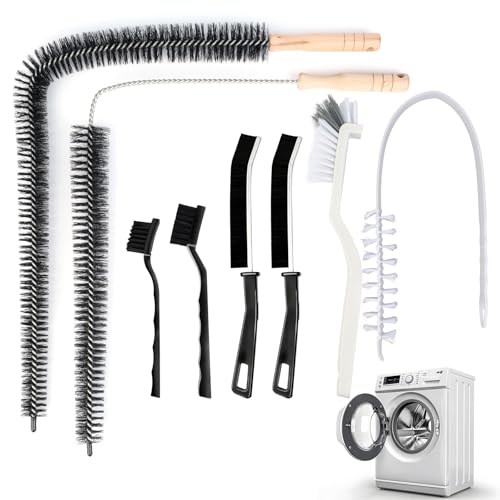
- Dishwasher cleaning brush stainless steel handle
- Dishwasher deodorizer cleaner tablets vinegar safe
- Dishwasher vent and filter cleaning brush
- Gasket scrub brush for dishwasher door
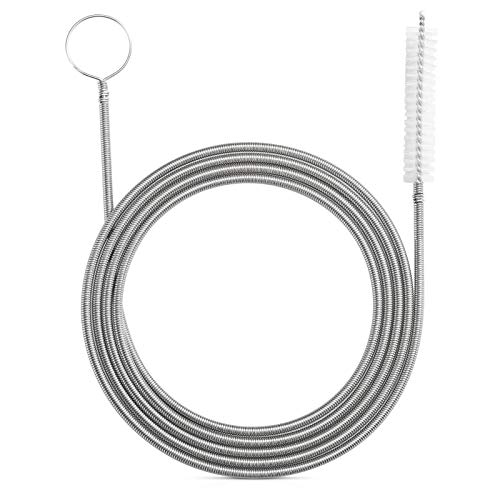
- Drain hose cleaning tool for dishwasher

Before You Start
Ensure the dishwasher is cool before handling any internal components. Remove racks to access the interior fully. Use gloves if you have sensitive skin or if the interior is dirty. Run the device on an empty cycle to prevent any residual debris from contaminating dishes later. Keep any electrical connections dry, and never mix chemicals beyond recommended products.
Time estimates vary by model, but plan about 60–90 minutes for a thorough odor-removal session, including interior cleaning and drying time.
Step-By-Step: How To Remove Odor From Your Dishwasher With Vinegar
- Detach racks and remove any large food debris from the bottom and door seals.
- Inspect and clean the drain pump and filter using the drain hose cleaning tool for dishwasher to prevent clogs that cause odors.
- Pour white vinegar into the bottom of an empty dishwasher, avoiding direct contact with heating elements, and run a hot cycle.
- After the cycle finishes, wipe the gasket and door edges with a gasket scrub brush for dishwasher door to remove residue.
- Use the dishwasher vent and filter cleaning brush to scrub vents and accessible filters, then rinse with water.
- Place a dishwasher-safe cup of vinegar on the upper rack and run another hot cycle if stubborn odors persist, ensuring the interior is completely dry afterward.
- Check for mineral buildup on spray arms and clean with a brush to ensure even water flow.
- Reassemble racks and run a brief rinse cycle with nothing inside to finalize odors and dry the interior.
Troubleshooting
| Symptom | Likely Cause | Fix | Prevention |
|---|---|---|---|
| Persistent sour smell | Residue in filters or drain | Clean filters with vent brush and drain hose tool | Regular monthly cleaning |
| Musty odor after cycles | Mold around door seal | Wipe seal with brush and antimicrobial cleaner | Leave door ajar after cycles |
| Unpleasant metallic smell | Calcium/mineral buildup | Descale with vinegar-safe agents and brush arms | Run hot cycles with vinegar occasionally |
| Water not draining | Clogged hose or filter | Inspect drain hose and clean filter | Routine hose and filter checks |
Common Mistakes
- Using hot water or vinegar together with bleach or ammonia
- Overloading with dirty dishes during cleaning cycles
- Neglecting the door gasket and vents during maintenance
- Skipping regular filter and hose inspections
Tips For Best Results
- Run an empty hot cycle with vinegar once a month to maintain freshness.
- Pair vinegar cycles with targeted brush cleaning for best reach in corners and crevices.
- Keep the interior dry after cycles to discourage mold growth.
- Combine vinegar with a compatible deodorizer tablet for ongoing freshness on a maintenance cycle.
Call A Professional
Consider professional help if you notice persistent odors after multiple cleanings, if the dishwasher leaks, or if you suspect a clogged drainage or failed seals. Seek immediate assistance for electrical issues or unusual noises that accompany odors.
FAQ
Can I use vinegar every time I clean the dishwasher?
Vinegar is effective for odor control and mineral buildup; use it periodically as part of a cleaning routine, not as a sole long-term cleaner for all cycles.
Is vinegar safe for all dishwasher parts?
For most models, vinegar is safe in an empty cycle. Always follow manufacturer guidelines to avoid damage to seals or metal parts.
What about baking soda or citric acid as alternatives?
Both can be useful for odor and stain removal, but avoid mixing with vinegar in the same cycle and use them according to product instructions.
How often should I clean the dishwasher’s interior?
Plan a thorough interior clean every 1–3 months depending on usage and odor presence.
Should I use a commercial cleaner instead of vinegar?
Commercial cleaners can be effective; choose products labeled as safe for dishwashers and follow the directions carefully.
Buying Guide
When selecting products for dishwasher odor control and cleaning, consider size, compatibility, and how the items fit into routine maintenance:
- <bSize and compatibility: Choose brushes and tools that fit your dishwasher model and door design, including gasket access and filter layout.
- <bNoise level: Cleaning tools should be easy to maneuver; consider quieter handheld brushes for in-drawer access.
- <bEnergy efficiency: If using additional cleaning cycles, opt for hot water settings that efficiently use energy without overworking the appliance.
- <bControls and ease of use: Simple brushes with ergonomic handles reduce time and effort during maintenance.
- <bPlacement: Store tools in a dry, reachable spot near the dishwasher so maintenance is quick and consistent.
For a practical odor-control routine, combine vinegar-based cycles with targeted brush cleaning. Is a monthly reset of the interior enough, or should you adjust based on odor frequency? Tailor the frequency to your household’s dishwashing habits and water quality for best results.