Paint overspray on windows is a common nuisance for homeowners, renters, and DIY enthusiasts. This guide covers practical, safe methods to remove overspray without scratching glass or damaging seals. It combines common tools with step-by-step actions to restore clear, streak-free windows.
Quick Answer
Use a Razor blade scraper for glass paint overspray removal to lift stubborn droplets, followed by a soft rubber squeegee for smoothing. For delicate or large-area jobs, try a plastic putty knife first and finish with a specialized glass cleaner. Always test a small area first and move gently to protect the glass.
What You’ll Need
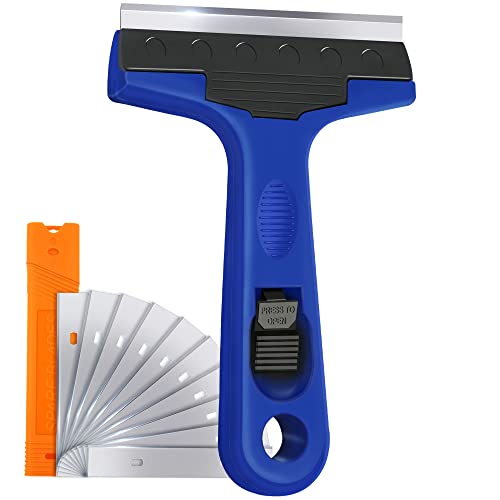
- razor blade scraper for window glass paint overspray removal
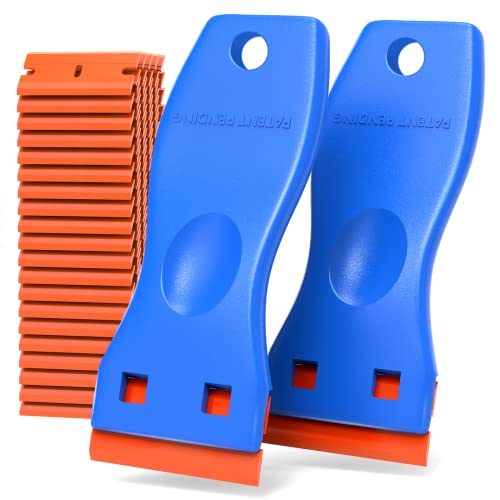
- plastic putty knife window glass overspray remover
- steel scraper blade for window paint overspray removal
- soft rubber squeegee for removing paint overspray from glass windows
- glass cleaning tool kit with razor blades for overspray removal

Before You Start
Assess the window type and any coatings, such as tint or film. Use careful, light pressure to avoid scratching. Work in a shaded or cool area to prevent cleaning solutions from drying too quickly. Time estimate: 20–60 minutes per window, depending on overspray amount. For high or hard-to-reach panes, consider professional help.
Step-By-Step: How To Remove Paint Overspray From Windows
- Protect the window frame with painter’s tape if you worry about metal or wood finishes getting scratched.
- Begin with a plastic putty knife window glass overspray remover to gently lift loosened droplets without scratching the glass.
- Apply a small amount of warm water with a mild detergent to the glass to loosen residue.
- Use the soft rubber squeegee for removing paint overspray from glass windows at a 45-degree angle, applying steady pressure in overlapping strokes.
- Test a razor blade scraper for window glass paint overspray removal on a dry area of the pane first; keep the blade almost flat and move slowly to lift droplets.
- Wipe the blade frequently to avoid ingraining pigment back onto the glass; refresh the blade as needed.
- For stubborn spots, switch to the steel scraper blade for window paint overspray removal with caution, applying minimal pressure and keeping the blade at a shallow angle.
- Rinse the glass with clean water and dry with a lint-free microfiber cloth to prevent streaks.
- Repeat as necessary on streakier panes, ensuring all residue is removed before applying any sealant or film.
- Inspect for remaining specks; if present, treat them with a final pass using the plastic putty knife or blade as appropriate.
- Finish with a glass-safe cleaner for a clear, streak-free shine and to remove any oil residue.
Troubleshooting
| Symptom | Likely Cause | Fix | Prevention |
|---|---|---|---|
| Streaky or cloudy glass after cleaning | Residue remaining from overspray | Re-clean using gentle passes with squeegee and microfiber cloth | Test cleaner on a small area first; use streak-free formulas |
| Scratches on glass after blade use | Blade angle or dull blade | Switch to a fresh blade; keep angle shallow and steady | Use plastic putty knife first on delicate surfaces |
| Residue reappears after cleaning | Incorrect solvent or insufficient rinsing | Rinse thoroughly and re-clean with the appropriate solvent for the paint | Choose cleaners compatible with window coatings |
| Blades dull quickly | Hard paint or metal debris in overspray | Use a new blade; avoid forcing through thick deposits | Work in small sections to minimize blade wear |
Common Mistakes
- Using excessive force on the glass, which risks scratches or chips
- Starting with aggressive tools on delicate window coatings
- Neglecting to test a small area before full application
- Rinsing with dirty water, re-depositing pigment onto the glass
Careful technique reduces damage risk and improves success rates for different overspray scenarios.
Tips For Best Results
- Work in cool, shaded conditions to slow drying and improve solvent effectiveness.
- Use multiple, gentle passes rather than one hard scrape to prevent glass damage.
- Keep blades and tools clean; clogged blades push pigment rather than lift it.
- Consider starting with the plastic putty knife window glass overspray remover for lighter residues to reduce blade wear.
- Protect surrounding surfaces with painter’s tape and a drop cloth when tackling larger areas.
Call A Professional
Seek professional help if overspray covers extensive areas, the glass is tempered, or the frame seals could be compromised by solvents. Stop and contact a pro if you notice:
- Visible window damage, cracks, or significant scratches
- Persistent staining after multiple cleaning attempts
- Uncertainty about coatings or sealants beneath the overspray
FAQ
What is the safest method to start removing overspray from glass?
Begin with a plastic putty knife to lift light deposits, then move to a soft rubber squeegee for smoother areas.
Can I use household solvents on windows with overspray?
Only if the solvent is labeled safe for glass and coatings; test first on a hidden area.
How do I prevent streaks after cleaning?
Rinse with clean water and dry with a lint-free cloth, using a steady, overlapping motion.
Is it necessary to replace blades frequently?
Yes, dull blades can scratch glass; replace blades when they lose edge or drag pigment.
Buying Guide
When choosing tools to handle paint overspray on windows, consider size, ease of use, and glass compatibility. The right set balances effectiveness with window protection and user safety.
Key buying factors include:
- Size and reach: Larger windows benefit from longer-handled tools; small panes may require compact scrapers.
- Noise level: Some scraping tools are quieter, suitable for indoor spaces or apartment living.
- Energy efficiency and cleaning efficacy are tied to tool design; ergonomics reduce fatigue during longer sessions.
- Controls: Variable pressure blades and non-slip grips improve precision and safety.
- Placement and storage: Compact kits with a rolling case or wall rack help keep tools organized for quick access.
In practice, a kit including a razor blade scraper, a plastic putty knife, a steel scraper blade, a soft rubber squeegee, and a glass cleaning toolkit offers flexibility across different surfaces and overspray scenarios. Consider environmental factors, such as heat exposure and daylight, when selecting cleaners and blades to ensure long-lasting performance.