Swiss Army knives are versatile tools that blend craftsmanship with portability. Regular cleaning helps maintain cutting performance, prevents rust, and extends the life of moving parts. This guide provides a clear, practical approach for American users to clean and care for a Swiss Army knife using common tools and a focused maintenance routine.
Whether you own a classic model or a modern multi-tool, proper cleaning reduces gunk buildup, preserves blade edge, and keeps the switching mechanism smooth. The steps below cover basic cleaning, lubrication, and preventative care to keep your knife ready for everyday tasks.
Quick Answer
Clean promptly after exposure to dirt, moisture, or corrosive substances. Disassemble only if you have the right tools, then rinse with warm water, brush away debris, dry thoroughly, and apply a light lubricant to the pivot points. Regular maintenance with a dedicated kit helps keep blades sharp and tools responsive.
What You’ll Need
Below is a practical list of tools and materials commonly used for Swiss Army knife maintenance. The items are chosen to cover typical cleaning tasks and to minimize the risk of damage.
- Swiss Army knife cleaning kit with brush and lubricant
- Pocket knife maintenance kit mini screwdriver set
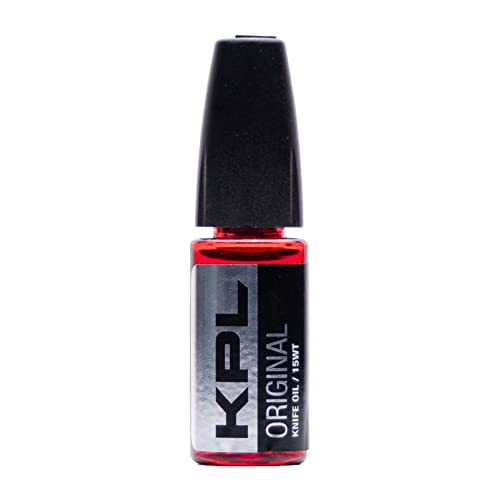
- Knife blade oil lubricant for Swiss Army knife
- Multitool cleaning brush set for pocket knives
- Precision screwdriver set for repairing Swiss Army knives


Before You Start
Prepare a clean, well-lit workspace. Lay a soft cloth to protect the blade edges and prevent slips. Ensure the knife is closed before starting any cleaning. If the knife is very dirty or has sticky residue, consider soaking the pivot area with a small amount of warm water and a mild dish soap, then rinse. Never use corrosive cleaners or immerse knives with non-removable blades in harsh solvents.
Time estimate: 15–30 minutes for standard cleaning; longer for heavily gunked joints. If the knife has missing or damaged parts, stop and assess repair options or consult a professional.
Step-By-Step: How To Clean A Swiss Army Knife
- Lock the blade and clear any exposed debris with a soft brush.
- Remove any removable tools if your model allows it, using the precision screwdriver set to avoid stripping screws.
- Gently scrub the exterior and interior surfaces with a multitool cleaning brush set to break up dirt and residues in confined areas.
- Rinse with warm water and a mild soap if necessary; avoid soaking for extended periods unless the knife is designed to be water-friendly.
- Pat dry with a microfiber cloth, then air-dry the joints to ensure all moisture evaporates.
- Apply a light knife blade oil lubricant to the pivot points and any moving parts, then cycle each tool several times to distribute the oil evenly.
- Reassemble tools if they were removed, using the pocket knife maintenance kit mini screwdriver set for precision if needed.
- Wipe off any excess oil to prevent attracting dirt, and test the deployment to confirm smooth action.
- Inspect the blade edge and tools for burrs; touch up with a fine stone or sharpening file if required, taking care not to alter the blade’s geometry.
- Store the knife in a dry, ventilated area away from moisture and extreme temperatures.
- Schedule routine maintenance every few months based on usage, or after exposure to rain, salt air, or grit.
Troubleshooting
| Symptom | Likely Cause | Fix | Prevention |
|---|---|---|---|
| Stiff deployment or tool feels sticky | Residue buildup or insufficient lubrication | Clean thoroughly and reapply knife blade oil lubricant to pivots | Clean after exposure to dirt; use light oil regularly |
| Blade won’t fold back smoothly | Edge burrs or misalignment | Inspect for burrs and adjust alignment carefully; consider professional sharpening | Avoid forcing tools; keep hinges clean |
| Rust spots on metal surfaces | Moisture exposure without lubrication | Gently sand if necessary and re-lubricate; store dry | Dry after use; apply thin protective oil |
| Loose tools in handle | Hinge wear or loose screws | Tighten screws with precision set; replace worn parts | Periodic inspections and gentle tightening |
| Discoloration or sticky residue | Harsh cleaners or buildup | Clean with mild soap and water; re-lubricate | Avoid harsh chemicals; clean promptly |
Common Mistakes
- Using strong solvents or abrasive cleaners that corrode metal
- Overlubricating, which attracts dust and grime
- Forcing tools open or closed, causing alignment issues
- Leaving moisture trapped inside the handle
Tips For Best Results
- Work in a well-lit area and keep small parts organized to avoid loss
- Apply only a thin layer of lubricant to pivots; less is more
- Periodic maintenance reduces rust risk and extends blade life
- Store knives in a dry environment; consider silica gel packs in storage cases
- Keep a dedicated cleaning kit handy for on-the-go maintenance
Call A Professional
Seek professional help if the knife shows severe wear, major corrosion, or broken springs. Stop using the tool if deployment is unreliable or there are cracking sounds during operation. Complex repairs, replacement of internal components, or reshaping blades should be handled by a qualified technician or the manufacturer’s service center.
FAQ
How often should I clean a Swiss Army knife?
Clean after exposure to dirt, moisture, or grit, and perform a light lubrication every few months if used regularly.
Is it safe to put a Swiss Army knife in water?
Short rinses are usually safe, but avoid prolonged soaking unless the model is designed for submersion.
Can I use regular oil on the blade pivot?
Yes, but use a light, non-residue lubricant specifically designed for knives to avoid attracting dirt.
Should I disassemble my knife for cleaning?
Disassembly is optional and depends on model and comfort level; use precision tools and follow manufacturer guidance if you choose to do so.
What if the knife blade is dull after cleaning?
Sharpen with proper technique and equipment, preserving blade geometry and edge angle.
Is there a particular lubricant best for Swiss Army knives?
A dedicated knife blade oil or light mineral oil works well; avoid heavy lubricants that can gum up joints.
What about storage after cleaning?
Store in a dry, ventilated area; consider sealing in a small pouch or case to reduce exposure to dust and moisture.
Buying Guide
When selecting a cleaning and maintenance setup for a Swiss Army knife, consider the following factors to ensure optimal care and longevity.
- Size and compatibility: Choose tools that fit your knife model and handle design. Some kits are universal, while others are model-specific.
- Noise level and lubrication quality: Look for quiet operation and a lubricant that provides smooth deployment without residue buildup.
- Energy efficiency of maintenance: A compact kit with multipurpose brushes and compact screwdrivers reduces time and effort.
- Controls and ease of use: Tools should be easy to maneuver, especially precision screwdrivers for tight screws.
- Placement and storage: A travel-friendly case protects tools and keeps the knife dry when not in use.
- Durability and brand reputation: Reputable kits with clear instructions and replacement parts offer better long-term value.
For most users, a modular maintenance kit that includes a Swiss Army knife cleaning kit with brush and lubricant and a precision screwdriver set for repairing Swiss Army knives provides essential capabilities. A dedicated multitool cleaning brush set for pocket knives helps reach tight spaces, while a quality knife blade oil lubricant protects metal surfaces and enhances operation.