Aquaguard flooring blends water resistance with style, but proper cleaning is essential to preserve its finish and longevity. This guide provides practical steps and tool recommendations to keep sealed, laminate-inspired surfaces looking their best while avoiding damage.
Quick Answer
Use a damp mop or microfiber pad with a gentle cleaner formulated for sealed laminate. Avoid soaking, harsh chemicals, and abrasive tools. Dry immediately after cleaning to prevent moisture buildup and warping.
What You’ll Need
- microfiber flat mop for laminate flooring
- steam mop for waterproof laminate flooring
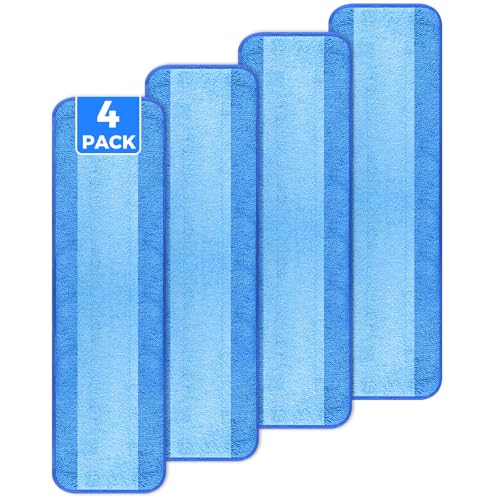
- microfiber cleaning pads for sealed wood floors
- electric floor scrubber for laminate floors
- reusable mop pads for hardwood laminate floors


Before You Start
Assess the floor for loose boards or damaged grout. Sweep or vacuum to remove grit that can scratch the surface. Do not use excessive water or let puddles sit on the floor. Test cleaners in an inconspicuous area first to ensure no dulling or staining occurs. The cleaning window and humidity can affect drying times, so allow extra time in humid conditions.
Step-By-Step: How To Clean Aquaguard Flooring
- Clear furniture or obstacles to create an open working area and prevent snagging on corners.
- Dust or vacuum with a soft-bristle tool to lift loose dirt without scratching the surface.
- Lightly dampen a microfiber flat mop for laminate flooring with a pH-balanced cleaner.
- Wipe sections along the grain in smooth, even strokes; avoid saturating the edges or seams.
- For tougher spots, use a microfiber cleaning pad and a gentle cleaner, applying minimal pressure.
- Rinse the mop head as needed to prevent re-depositing dirt onto the floor.
- After cleaning, go over the area with a dry microfiber pad or dry mop to remove residual moisture.
- If using a steam mop, follow the manufacturer’s guidance for waterproof laminate and avoid prolonged steam exposure.
- Inspect for moisture trapped near baseboards and wipe away any dampness promptly.
- Return furniture and reopen traffic paths once the floor is completely dry.
- Schedule routine cleanings to maintain the seal and finish without harsh scrubbing.
- Store cleaning tools in a dry, ventilated area to prevent chemical residue buildup.
Troubleshooting
| Symptom | Likely Cause | Fix | Prevention |
|---|---|---|---|
| Sticky residue after cleaning | Soap buildup or overuse of cleaners | Rinse area with a damp microfiber pad and use less cleaner next time | Use minimal cleaner and follow manufacturer instructions |
| Water spots or streaks | Excess moisture or hard water mineral deposits | Dry with a clean, dry pad; consider distilled water for finales | Wipe small areas at a time and dry promptly |
| Scratches appearing after cleaning | Coarse grit or abrasive pads | Switch to a softer microfiber pad; avoid steel or rough textiles | Regularly sweep or vacuum before mopping |
| Warping or buckling | Excess water seeping into seams | Use a damp, not wet, mop and dry promptly | Wipe spills immediately; maintain proper humidity |
Common Mistakes
- Using ammonia, bleach, vinegar, or wax-based products on vinyl or laminate floors
- Over-wetting the surface or leaving standing water near edges
- Using abrasive pads or brushes that dull the finish
- Ignoring manufacturer guidelines for steam cleaning on waterproof laminates
- Neglecting quick cleanup of spills which can cause staining or swelling
Tips For Best Results
- Choose a pH-neutral cleaner designed for sealed surfaces to protect the coating.
- Maintain a quick daily wipe-down to prevent buildup and maintain shine.
- Test any cleaner on a small area before widespread use.
- Use a microfiber pad or flat mop to minimize water use and maximize control.
- Vacuum or sweep before mopping to reduce friction and scratching from grit.
Call A Professional
Consider professional help if the floor shows widespread warping, deep seals damage, or persistent staining that conventional cleaning cannot resolve. Seek experts for advice on refinishing options or if structural issues are suspected.
FAQ
What kind of mop is best for Aquaguard flooring?
A microfiber flat mop or microfiber cleaning pads for sealed floors provide safe, effective cleaning with minimal moisture.
Can I use a steam mop on Aquaguard flooring?
Steam mops can be used on waterproof laminate when the manufacturer approves it; follow their guidelines to avoid damage.
How often should I clean Aquaguard flooring?
Light daily maintenance with quick damp mops is recommended, with deeper cleanings every one to two weeks depending on traffic.
What should I avoid when cleaning sealed wood floors?
Avoid excessive water, harsh chemicals, wax-based cleaners, and abrasive tools that can dull the finish.
Buying Guide
Key factors to consider when selecting cleaning tools for Aquaguard flooring include size, noise, energy efficiency, control, and placement. For tool compatibility, look for models that are labeled safe for sealed laminate or waterproof laminate surfaces. Consider the following perspectives:
- Size and maneuverability: Choose tools that fit your space—compact mops for tight hallways, larger heads for open areas.
- Water control: Prefer tools that dispense or hold minimal water to prevent moisture buildup.
- Pad type and replacement: Favor washable microfiber pads that reduce waste and improve consistency of cleaning.
- Energy and performance: Electric floor scrubbers can speed up large-area cleaning but may require more maintenance.
- Placement and storage: Opt for lightweight, easily stored kits to keep cleaning routines simple.
Would you like recommendations tailored to a specific room type or traffic level? Consider how often you mop, the presence of pets, and the floor’s finish when choosing your cleaning setup.