Few annoyances rival a lingering damp scent inside a vehicle. Moisture builds up from rain, humidity, spills, or wet gear, and mold or mildew can quickly create a this musty odor. This guide provides practical, step-by-step methods using common car-friendly tools to remove damp smells and keep the interior fresh.
Quick Answer
Start with a thorough dry-out using a moisture absorber and a portable dehumidifier, then treat odors with an air purifier and odor absorbers. If odors persist, consider an ozone-based solution or a targeted odor remover designed for cars. Regularly ventilating and maintaining low humidity will prevent recurrence.
What You’ll Need
These tools and materials are commonly used to eliminate damp smells in cars. Use the items below to address moisture, odor, and air quality.
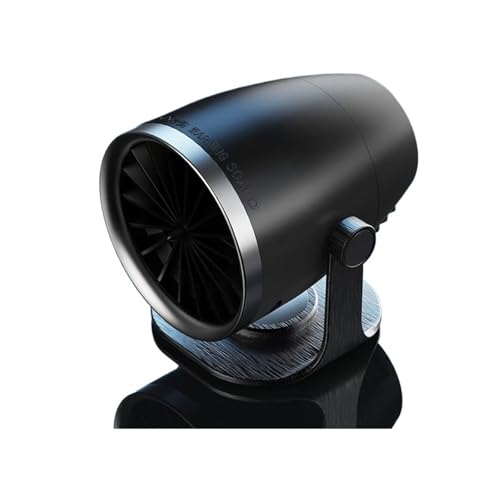
- 12V portable car dehumidifier compact
- silica gel moisture absorber for car interior packets
- activated charcoal car odor absorber
- 12V car air purifier HEPA activated carbon
- car ozone generator odor remover


Before You Start
Before tackling damp smells, ensure the car is in a safe, well-ventilated area. Remove all wet items, check for moisture pockets under mats, and open doors to air out the cabin. Schedule enough time for a full dry-out and cleaning, typically 1–3 hours depending on humidity. Important cautions include avoiding direct contact of ozone generators with occupants during operation and never using electrical components with wet hands or in wet conditions.
Step-By-Step: How To Eliminate Damp Smell In A Car
- Remove all damp items and shake out floor mats; rinse and hang mats outside if possible.
- Vacuum thoroughly to remove mold spores, dust, and debris that can trap moisture and odors.
- Place a 12V portable car dehumidifier compact in the center console or passenger footwell to pull moisture from the air.
- Distribute silica gel moisture absorber for car interior packets in door pockets, under seats, and in the trunk to trap residual moisture.
- Set up an activated charcoal car odor absorber near air vents or under the front seats to adsorb odor-causing compounds.
- Run a 12V car air purifier HEPA activated carbon with the vehicle on to circulate air through filters that capture particles and odors.
- Consider a targeted odor remover treatment on fabric seats and carpets; allow it to dry completely before use.
- If odors persist after drying and absorption, use a car ozone generator odor remover in a sealed, unoccupied vehicle for recommended time, then ventilate fully before driving.
- Recheck for moisture after a day or two of heating cycles and sunlight exposure; repeat dehumidification if needed.
- Maintain low humidity by running the dehumidifier or purifier during wet seasons and after spills to prevent reoccurrence.
Troubleshooting
| Symptom | Likely Cause | Fix | Prevention |
|---|---|---|---|
| Musty odor returns after cleaning | Moisture pockets remain | Reinspect seals, mats, and trunk; repeat dehumidification | Regular dry-outs after rain or washing |
| Odor seems to cling to fabric | Odor absorbed in upholstery | Apply fabric-safe odor remover and repeat with moisture control | Use odor absorbers in areas with fabric |
| Air feels humid even with AC on | Indoor moisture still present | Increase airflow and run dehumidifier longer | Ensure seals are intact to prevent moisture ingress |
| Ozone generator leaves noxious smell | Overuse or improper venting | 短Follow device instructions and ventilate vehicle completely | Use only in unoccupied vehicle; avoid repeated use |
Common Mistakes
- Relying on fragrances alone instead of removing the moisture source
- Ignoring hidden damp spots under seats or carpet cushions
- Using ozone generators without proper safety precautions
- Running electronics while moisture is present, risking mold growth
Tips For Best Results
- Address spills and wet gear immediately to prevent mildew growth.
- Place silica gel packets in multiple areas, including under mats and behind seats.
- Ventilate the cabin after using odor absorbers to refresh the air.
- Schedule routine checks for door seals and sunroof drains that may leak moisture into the cabin.
- Choose a combination approach—dehumidification plus odor absorbers—for faster results.
Call A Professional
Seek professional help if the damp smell persists after multiple dry-out cycles, or if you notice visible mold growth, persistent water leaks, or recurring moisture despite ventilation. Warning signs include persistent musty odors after cleaning and damp spots that reappear quickly after drying.
FAQ
What causes damp smell in a car?
Moisture from rain, humidity, leaks, or spills can create a damp environment that fosters mold and mildew, leading to a musty odor.
Can a 12V portable car dehumidifier help quickly?
Yes, it actively removes moisture from the air inside the vehicle, speeding up the drying process and reducing odors.
Are silica gel moisture absorbers safe to use in cars?
Yes, when used as directed, silica gel packets are safe and effective for absorbing moisture in confined spaces like a car interior.
Is ozone treatment risky inside a car?
Ozone treatments can be effective but must be used by following safety guidelines. Only operate the ozone generator with occupants removed and ensure thorough ventilation afterward.
Buying Guide
Choosing the right tools to prevent and eliminate damp smells in a car depends on several factors. Consider size and placement: compact devices fit under seats or in cup holders, while larger dehumidifiers may require more space but offer faster drying. Noise level matters for in-car comfort; look for quiet operation suitable for resting periods or nighttime use. Energy efficiency is important for overnight or extended use, especially when the vehicle is parked. Controls should be simple to set and monitor, with clear indicators for humidity or filter status. Finally, assess how each device integrates with your car’s power setup and storage space, as well as how often you’ll need to replace packets or filters. For a balanced approach, many users combine a 12V portable car dehumidifier compact, silica gel moisture absorbers, and an activated charcoal car odor absorber, supplementing with a car air purifier HEPA activated carbon for ongoing freshness. If strong or recurrent odors persist, a car ozone generator odor remover can be a last-resort option, used only with safety precautions and proper ventilation. Do you want a low-maintenance setup that runs largely unattended, or a more hands-on approach with periodic checks? Your choice should align with your climate, vehicle use, and patience for maintenance.