Bathroom rugs with rubber backing add comfort and slip-resistance, but they require careful cleaning to preserve the backing and prevent mold. This guide provides practical, user-friendly steps to refresh rubber-backed bath mats using common tools and gentle methods that protect both fibers and the backing.
Quick Answer
For most rubber-backed bath mats, shake out loose dirt, vacuum, and spot-clean stains with a mild detergent. Use a stiff-bristle brush to scrub, then rinse and air-dry flat away from direct heat. For deeper cleaning or stubborn odors, a carpet extractor or portable steam cleaner can be effective, followed by thorough drying to prevent mold.
What You’ll Need
- Stiff-bristle bathroom rug cleaning brush
- Bath mat scrub brush for rubber-backed rugs
- Carpet extractor for bathroom mats
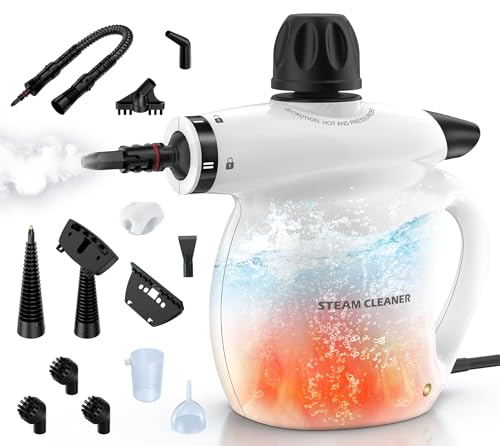
- Portable steam cleaner for bathroom rugs
- Ergonomic bath mat cleaning grip brush


Before You Start
Before cleaning, check the rug label for care instructions and test a hidden area for colorfastness. Remove the rug from the bathroom and shake it outside to remove loose debris. Keep the area well-ventilated and wear gloves if you have sensitive skin. Drying time can vary; plan for several hours to overnight depending on humidity and air flow. Avoid soaking rubber-backed mats for long periods to protect the backing and prevent warping.
Step-By-Step: How To Clean A Rubber-Backed Bathroom Rug
- Remove the rug from the floor and shake it vigorously to dislodge dirt and hair.
- Vacuum both sides of the rug to lift embedded particles and dust that can cause wear.
- Mix a mild detergent with warm water in a bucket. Use a small amount; harsh cleaners can degrade rubber.
- Apply the solution and scrub using a stiff-bristle brush or ergonomic grip brush to target soiled areas.
- Rinse thoroughly with clean water, ensuring all soap is removed to prevent residue and attract more dirt.
- For deeper cleaning, run a carpet extractor over the rug following the device’s instructions, then remove excess moisture.
- Optionally, use a portable steam cleaner to sanitize the rug at a low to medium heat setting, avoiding squeeze-and-wringe techniques that could deform the rubber.
- Lay the rug flat on a clean surface and allow it to air-dry completely, turning it once to ensure both sides dry evenly.
- Inspect for residual odors or stains. Repeat targeted spot cleaning if necessary, then re-lay the rug in its place once fully dry.
- Store any cleaning tools in a dry place and rinse brushes thoroughly to extend their life.
- Return the rug to the bathroom after drying; monitor for any buckling or stiffness that may indicate moisture retention.
Troubleshooting
| Symptom | Likely Cause | Fix | Prevention |
|---|---|---|---|
| Moldy odor after cleaning | Moisture remained in the backing | Re-clean with less water and ensure thorough drying | Increase air flow, use a fan or dehumidifier |
| Stiff or warped backing | Excessive heat or prolonged soaking | Air-dry away from heat; reshape while damp | Avoid hot water and high heat drying |
| Color fading on rug surface | Harsh cleaners or strong sunlight | Switch to mild detergents; dry in shade | Test cleaner in a hidden area first |
| Residue after rinsing | Soap buildup | Rinse thoroughly; run extractor or steam to flush | Use minimal soap in future cleaning |
Common Mistakes
- Using bleach or solvents that can degrade rubber backing
- Leaving the rug soaking for extended periods
- Skipping thorough drying, which invites mold and mildew
- Using a too-soft brush that fails to lift embedded dirt
- Not testing colorfastness before cleaning a new rug
Tips For Best Results
- Choose a cleaning brush with firm bristles to effectively lift grime without damaging the backing.
- Clean in a shaded area or indoors to control dye bleed and drying speed.
- Rotate the rug occasionally during drying to prevent warping from uneven moisture loss.
- Regular light cleanings can extend the time between deep clean cycles and keep the rug fresher.
- If using a carpet extractor or steam cleaner, follow the manufacturer’s guidelines to protect rubber backing.
Call A Professional
Consider a professional service if the rug shows persistent mold, severe odor, or backing delamination. Stop cleaning and seek help if the backing begins to peel, crack, or separate from the fibers, as these issues may require replacement or specialized restoration.
FAQ
Can I machine-wash rubber-backed bathroom rugs?
Machine washing is generally not recommended for rubber-backed rugs, as agitation and heat can damage the backing. Check the care label and consider hand cleaning or a professional cleaning method instead.
Is it safe to use a steam cleaner on rubber-backed mats?
Yes, but use a low to moderate steam setting and avoid soaking the backing. Allow thorough drying to prevent mold growth.
How often should I clean rubber-backed bathroom rugs?
Deep cleaning every 1–3 months, with spot-cleaning and light brushing weekly, helps maintain hygiene and prolongs rug life.
What internal odors indicate mold growth?
A persistent musty smell that returns after washing suggests mold growth within the backing or underlay; professional assessment may be needed.
Buying Guide
When selecting a rubber-backed bathroom rug, consider size, noise, and care requirements. A size that covers high-traffic areas without extending into doorways prevents slipping and pooling of water. Look for non-slip rubber backing that remains tacky but not sticky when dry, ensuring a strong grip on wet surfaces.
Noise is usually minimal with rugs, but thicker mats can suppress echo in small bathrooms. Energy efficiency isn’t typically a factor for cleaning a rug, but choosing a machine-washable option reduces water use if you launder frequently. For placement, ensure the rug lies flat and fully contacts the floor, with the backing free of dry cracks that could snag cleaning brushes.
In practice, buyers should compare Rug A and Rug B on: backing durability, ease of cleaning, drying time, and the presence of washable or removable pads. Ask: Will this rug withstand frequent steam cleaning or carpet extractions? Will it maintain grip after repeated washes? A practical choice balances durability, safety, and maintenance ease, ensuring a clean, slip-free bathroom environment.