Maintaining a clean cement patio without heavy equipment is practical for many homeowners. The right tools, cleaners, and techniques can lift dirt, algae, and stains effectively while protecting the surface. This guide provides a step-by-step approach using common household items and consumer cleaners designed for concrete patios.
Quick Answer
For a thorough clean without a pressure washer, start with a dry scrub to remove loose debris, apply an enzyme-based concrete patio cleaner, scrub with a stiff nylon brush, rinse with a garden hose, and repeat as needed. For persistent stains, use an eco-friendly cleaner concentrate or a non-scratch scrub pad for targeted spots.
What You’ll Need
- Stiff nylon bristle brush for concrete patio cleaning
- Concrete patio scrub brush with long handle
- Enzyme-based concrete patio cleaner spray
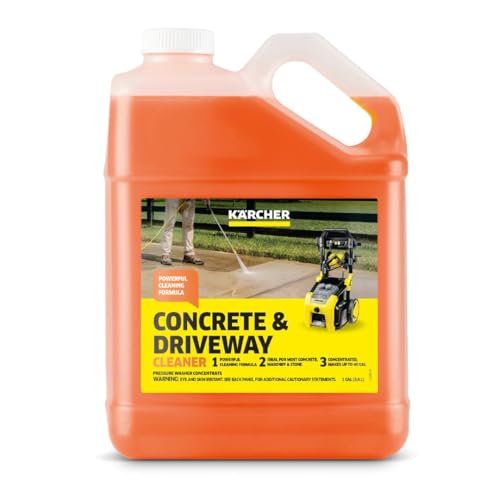
- Eco-friendly concrete cleaner concentrate for patios
- Non-scratch scrub pad for concrete surfaces patio


Before You Start
Inspect the surface for cracks and raised edges. Clear furniture, pots, and debris. Wet the area to prevent dust clouds and protect surrounding plants. Work in small sections, and avoid cleaning in direct sun to prevent quick drying. Safety note: wear gloves and eye protection when using cleaners. Time estimate: 1–3 hours depending on patio size and stain level; plan for multiple passes if needed. Avoid using harsh chemical cleaners near vegetation or pets without proper rinsing.
Step-By-Step: How To Clean Cement Patio Without A Pressure Washer
- Remove loose debris with a garden broom; sweep toward a clean edge to keep work area manageable.
- Dry-brush the entire surface with a stiff nylon bristle brush to lift loose dirt and prevent gritty dragging when wet.
- Apply enzyme-based concrete patio cleaner spray over stained and high-traffic areas, following product instructions for dwell time.
- Scrub each section with the long-handle concrete patio scrub brush to maximize contact and reduce bending fatigue.
- Rinse the area thoroughly with a garden hose, starting from the outer edges and moving inward to avoid spreading grime.
- For stubborn stains, mix eco-friendly concrete cleaner concentrate with water in a spray bottle or bucket and re-scrub the affected spots.
- Allow the surface to dry completely, then recheck for any remaining stains and repeat treatment if necessary.
- Finish by performing a final rinse and a light pass with a non-scratch scrub pad on tough spots to restore texture.
Troubleshooting
| Symptom | Likely Cause | Fix | Prevention |
|---|---|---|---|
| Streaks after cleaning | Uneven application or dry patches | Reapply cleaner to streaked areas and rinse evenly | Maintain consistent motion and keep surface damp during cleaning |
| Surface still stained after cleaning | Deep-set oil or rust stains | Spot-treat with eco-friendly cleaner concentrate and repeat | Clean stains promptly to prevent setting |
| Brushing leaves scratches | Overly aggressive scrubbing or inappropriate pad | Switch to a non-scratch scrub pad for delicate spots | Use moderate pressure and proper brushes |
| Plants nearby show wilting | Chemical runoff | Rinse thoroughly and shield plants during cleaning | Contain runoff with barriers or plastic sheets |
Common Mistakes
- Using a pressure washer on delicate concrete surfaces, which can cause etching or chipping
- Waiting too long to scrub after applying cleaner, leading to stubborn stains
- Not testing cleaners on small patches first, risking discoloration
- Skipping a rain-free window, which shortens cleaner dwell time
- Neglecting to rinse thoroughly, leaving residues that attract more dirt
Tips For Best Results
- Work in shade or during cooler times to prevent cleaners from drying too quickly.
- Schedule a light annual cleaning to prevent buildup of algae and moss on shaded patios.
- Use enzyme-based cleaners for a bio-friendly approach that targets organic soils without harsh chemicals.
- Maintain your brushes and pads; worn tools reduce cleaning efficiency and can scratch surfaces.
- Test any cleaner on a small, inconspicuous area before wider application.
Call A Professional
Consider contacting a pro if the patio has extensive oil stains, deep mold growth, or if the concrete shows significant cracking or spalling. Seek immediate help if cleaning requires high-pressure equipment due to safety concerns or if previous cleaning attempts caused surface damage.
FAQ
Can I use a regular household cleaner on a cement patio?
Yes, but choose cleaners labeled for concrete and follow the manufacturer’s instructions for dwell time and rinsing.
Is it safe to use enzyme-based cleaners around plants?
Generally safe when rinsed well, but avoid rinse water contacting sensitive vegetation. Consider covering plants during cleaning.
How often should I clean my cement patio?
Every 6–12 months, or sooner in shaded or damp areas where algae grows more readily.
What should I do about tough oil stains?
Spot-treat with eco-friendly cleaner concentrate and allow longer dwell time before scrubbing and rinsing.
Can I clean with just water and a brush?
Water plus brushing works for light dirt; for stains and organic growth, cleaners significantly improve results.
Buying Guide
Choosing the right tools and cleaners for a cement patio involves several factors. Start with the surface size and stain types to determine how much cleaner you’ll need and whether a long-handled brush is worth it. Noise and energy considerations matter when evaluating equipment or indirect methods. Look for products that are effective on concrete yet safe for surrounding plants and pets. Below are key buying factors to consider and how they impact results.
Size and Coverage
Measure your patio to estimate the amount of cleaner concentrate required and the length of brushes. Larger areas may benefit from a long-handle scrub brush to reduce bending and fatigue.
Cleaning Power and Type
Enzyme-based cleaners target organic soils, while eco-friendly concentrates offer versatile stain removal with fewer harsh chemicals. A non-scratch scrub pad is useful for delicate patches.
Safety and Environmental Impact
Prefer cleaners labeled biodegradable and safe for ecosystems. Check packaging for PPE recommendations and ensure products are safe around children and pets when properly rinsed.
Controls and Application
Look for sprays or pourable concentrates with clear dwell-time guidance. Pre-mixed spray bottles are convenient for spot treatment, while concentrates offer cost efficiency for larger surfaces.
Placement and Use Scenarios
Consider where you’ll store brushes and cleaners to prevent exposure to weather. A shaded, flat workspace simplifies cleaning and drying times.
Durability and Maintenance
Choose brushes with stiff bristles appropriate for concrete surfaces; ensure handles are ergonomic for extended use. Replace worn pads to protect the surface and maintain cleaning efficiency.
Cost Considerations
While price varies, prioritize effective formulations and tool quality over the lowest upfront cost. Long-term durability and reduced effort offer better value.