Solar panels deliver ongoing energy savings, but keeping them clean helps maintain maximum efficiency. This guide provides practical, field-tested steps for American homeowners and small business owners who want to clean solar panels without risking damage or voiding warranties.
Quick Answer
Use a gentle approach with a soft-bristle brush and a telescoping pole to reach panels without climbing roofs. Clean on a cool, overcast day using plain water or a mild soap solution. Rinse thoroughly and dry with a microfiber cloth to prevent streaks.
What You’ll Need
The following tools and materials cover common residential solar panel cleaning tasks. They are selected to minimize risk while maximizing effectiveness.
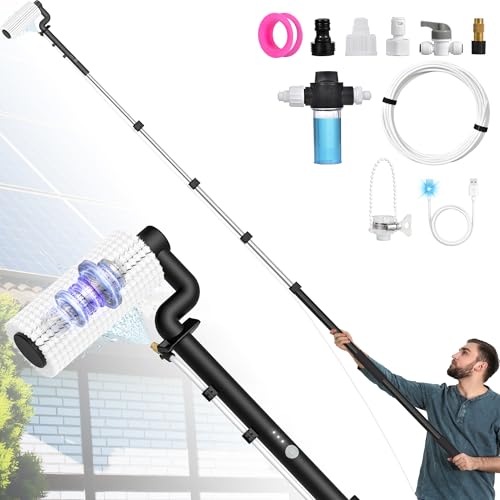
- solar panel cleaning kit with extendable pole
- soft bristle solar panel cleaning brush
- telescoping cleaning pole 8-16 ft for solar panels
- microfiber cleaning cloth solar panels 16×16 inch
- squeegee for solar panel cleaning with rubber blade


Before You Start
Preparation reduces the chance of damage and ensures a smoother job. Inspect panels for loose wiring or broken glass. Check weather conditions: avoid cleaning in direct sun or when panels are hot. Use only non-abrasive cleaners and avoid harsh chemicals that could corrode coatings. Gather all safety gear such as gloves and non-slip footwear, especially if panels are mounted on a roof.
Critical cautions include never leaning or standing on panels, avoiding ladders directly on the panels, and never using high-pressure sprays, which can force water into junction boxes.
Step-By-Step: How To Clean Solar Panels
- Turn off the solar system and disconnect from any related inverters or controllers to ensure safety during cleaning.
- Wait for panels to cool to a comfortable temperature, ideally during early morning or overcast conditions.
- Clear loose debris such as leaves or twigs from the panel surface with a soft brush, starting from the top edge and working downward.
- Dip the soft bristle solar panel cleaning brush into a bucket of water or a mild cleaning solution designed for solar surfaces.
- Attach the brush to the telescoping cleaning pole 8-16 ft for solar panels, then gently scrub the surface with long, even strokes.
- Rinse with clean water using a low-pressure spray from the same pole setup, ensuring all soap residue is removed.
- For stubborn spots or bird droppings, use a microfiber cleaning cloth solar panels 16×16 inch to blot and wipe with steady pressure.
- Use a squeegee for solar panel cleaning with rubber blade to remove excess water and reduce streaks along the panel rows.
- Inspect each panel for remaining streaks or grime; repeat light passes if needed without applying excessive pressure.
- Allow panels to air-dry or finish with a dry microfiber cloth to prevent water spots and ensure clear photovoltaic faces.
- Recheck electrical connections and inverters, then restore power to the system once everything is confirmed safe.
- Store cleaning tools properly, away from direct sunlight, to extend their life and readiness for the next maintenance cycle.
Troubleshooting
| Symptom | Likely Cause | Fix | Prevention |
|---|---|---|---|
| Streaks after cleaning | Residue from cleaning solution | Rinse thoroughly; wipe with microfiber cloth | Use minimal soap and avoid hot water |
| Water beads but stains remain | Hard water minerals | Rinse with distilled water or use filtered water | Clean during dry weather; consider rainwater-friendly practices |
| Scratches or scuffs on glass | Abrasive materials or dirty brushes | Switch to soft-bristle brush; inspect brush for embedded grit | Rinse brush before each pass |
| Inverter warning or panel sag | Damage during cleaning | Stop cleaning; contact a professional | Use proper stance and avoid stepping on panels |
Common Mistakes
- Cleaning in direct sunlight or on hot panels, causing faster drying and streaks
- Using harsh chemicals or abrasive tools that can damage coatings
- Applying high water pressure near electrical components or edges
- Overextending ladders or leaning on the panels, risking breakage
Tips For Best Results
Consistency matters. Schedule cleaning every 6–12 months depending on local dust, pollen, and pollution levels. If you live in a dusty area or near construction, consider more frequent cleaning. Use a telescoping pole to minimize roof access and avoid unnecessary risk. Keep a small dedicated kit with the above tools for quick maintenance after storms or heavy pollen days.
Call A Professional
Clean panels typically do not require professionals, but certain situations merit a specialist:
- Visible damage to panels, frames, or wiring
- Inverter or monitoring system shows fault codes after cleaning
- Roof accessibility is unsafe or uncertain, or panels are mounted on steep pitches
If any of these signs appear, contact a licensed solar technician for assessment and safe maintenance.
FAQ
Is it necessary to turn off the system before cleaning?
Yes. Turning off the system prevents electrical shocks and protects equipment during cleaning.
What water should I use?
Tap water is usually fine, but in hard-water areas, consider distilled or filtered water to reduce mineral marks.
Can I use household soap?
Light, non-abrasive dish soap is acceptable in small amounts; avoid strong degreasers that could degrade coatings.
How often should I clean solar panels?
Typically every 6–12 months, adjusted for local climate and roof access constraints.
Do windy locations require extra precautions?
Yes. Secure ladders and avoid cleaning on windy days; use extended poles to maintain distance from edges.
Buying Guide
Choosing the right cleaning setup depends on panel type, location, and safety priorities. Consider size and reach, noise level, energy efficiency, controls, and placement to optimize both cleaning results and long-term performance.
- Size and reach: Select an extendable cleaning system that comfortably reaches your highest panels without climbing.
- Brush type and material: A soft-bristle brush minimizes abrasion while delivering effective soil removal.
- Water handling: If you have a water-conscious system, prioritize kits that can use minimal water and offer alternative drying options.
- Cloth and squeegee quality: High-quality microfiber cloths and durable rubber squeegees reduce streaks and extend tool life.
- Compatibility: Ensure cleaning kit components fit your telescoping poles and brush heads, avoiding universal-fit mismatches.
- Placement considerations: For rooftop panels, prioritize tools that minimize roof access and provide safe operation on slopes.
Would you like help selecting a kit that matches your system’s angle, panel size, and roof type? A quick assessment of your installation can guide the best combination of tools to keep your solar panels performing at their best.