Cloth couches offer comfort and style, but they can accumulate stains, spills, and everyday grime. This guide explains a safe, effective cleaning routine for common fabric types found in American homes, focusing on practical methods and readily available products. By following these steps, homeowners can refresh upholstery while extending the life of their sofa.
Quick Answer
For most fabric couches, spot-test a small, discreet area, vacuum to remove loose debris, treat stains with a fabric-safe cleaner, and lightly scrub or blot as needed. Always follow product instructions and avoid overwetting the fabric to prevent water marks or odors.
What You’ll Need
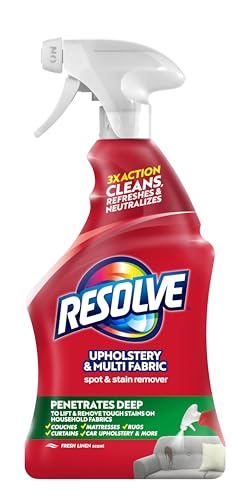
- Fabric sofa cleaner spray 16oz
- Upholstery stain remover for fabric couch
- Microfiber sofa cleaning kit with brushes
- Cotton-polyester sofa fabric cleaner
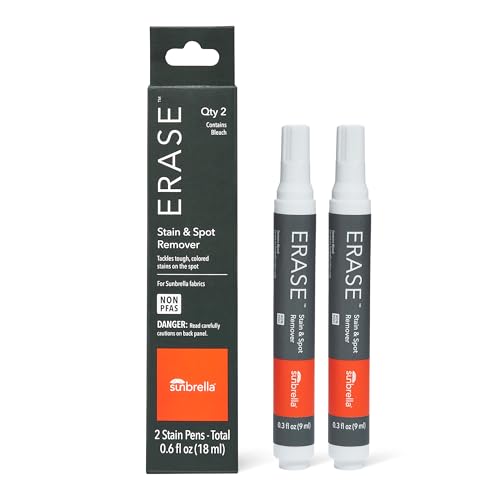
- Fabric couch spot treatment pen

Before You Start
Prepare a clean, well-ventilated workspace. Vacuum the entire surface to lift dust, pet hair, and loose soil. Perform a patch test in an inconspicuous area (such as the back or underside of a cushion) with the cleaning product following its instructions. If color transfer or fabric damage occurs, stop and consider a professional cleaning. Allow treated areas to dry completely before use. A typical cleaning session might take 30–90 minutes, depending on the sofa’s size and fabric type. Always avoid saturating fabrics, as excess moisture can lead to mildew and odor.
Step-By-Step: How To Clean A Cloth Couch
- Vacuum the entire couch thoroughly, including cushions, arms, and under cushions, to remove loose soil and debris.
- Identify fabric type and care label: check any tags for water-based vs solvent-based cleaning guidance and determine if redirects to professional cleaning are advised.
- Apply a fabric-safe cleaner to a hidden area and blot with a clean microfiber cloth to gauge colorfastness and lifting capability.
- For general soil, spray a light amount of fabric sofa cleaner spray 16oz over the surface, then use the microfiber kit brushes to gently scrub in small circular motions.
- For stubborn stains, apply upholstery stain remover for fabric couch directly to the spot and let it sit per label instructions before blotting with a clean cloth.
- Use the cotton-polyester sofa fabric cleaner on areas that appear dull or discolored, following the product’s directions for agitation and removal.
- Blot with a clean, damp cloth to remove any remaining cleaner residue, then pat dry with a towel and let air-dry completely.
- Repeat as needed on persistent stains, always testing first and avoiding harsh scrubbing that can fray fibers.
- After drying, vacuum again to lift any settled fibers and restore fabric texture. Replace cushions for an even finish.
- For scent or moisture concerns, consider a light, fabric-safe deodorizer once the sofa is fully dry.
- Schedule routine maintenance every few months to prevent buildup and keep the fabric looking fresh.
Troubleshooting
| Symptom | Likely Cause | Fix | Prevention |
|---|---|---|---|
| Water rings or redness after cleaning | Over-wetting the fabric | Blot with dry towels and allow to air dry; avoid excess moisture | Use minimal spray and quick blotting |
| Fading color after cleaning | Aggressive cleaners or improper dilution | Test first; switch to milder cleaner or professional product | Always test in an inconspicuous area |
| Stains reappearing after drying | Food and oils weren’t fully removed | Repeat cleaning on the spot with appropriate remover | Pre-treat and blot thoroughly on first pass |
| Fabric feels stiff post-cleaning | Overuse of cleaners or insufficient rinse | Blot with a damp cloth to remove residue | Use sparing amounts and thorough blotting |
Common Mistakes
- Over-wetting the fabric or saturating cushions
- Using harsh or incompatible cleaners on delicate fabrics
- Skipping a patch test before full cleaning
- Rubbling or scrubbing vigorously, which can fray fibers
- Waiting too long to treat fresh stains, making them set harder
Tips For Best Results
- Always start with a vacuum to remove loose dirt before any cleaning.
- Test any cleaner on a hidden area to confirm colorfastness.
- Work in small sections to avoid over-wetting and to monitor progress.
- Lightly blot rather than rub to avoid fiber damage.
- Allow ample drying time between cleaning sessions to prevent odors.
Call A Professional
Consider a pro if the sofa has delicate fabrics (such as certain silks or wool blends), severe staining, persistent odors, or if the upholstery has water damage, mold, or mildew. If there are dye bleed concerns or pre-existing damage, or you’re unsure about the fabric’s cleaning compatibility, seek professional assistance.
FAQ
Can I use any fabric cleaner on a microfiber sofa?
Most microfiber fabrics respond well to water-based cleaners and a microfiber brush, but always check the care label and perform a patch test first.
Is it safe to use a spray on my cotton-polyester sofa fabric cleaner?
Yes, when used as directed and tested on a hidden area to ensure colorfastness and fiber safety.
How long does it take for a cleaned cloth couch to dry?
Drying times vary by fabric type, humidity, and ventilation, typically 1–6 hours for most situations.
What should I do about stubborn stains that won’t come out?
Repeat targeted spot treatments, or consult a professional cleaner for advanced stain removal options.
Buying Guide
Choosing the right cleaning products for a cloth couch depends on fabric type, stain frequency, and maintenance goals. Consider the following factors and how they fit your sofa’s needs:
- Size and coverage: Select products that cover the sofa surface adequately without requiring multiple bottles.
- Noise level and ease of use: Handheld spray bottles and brush kits should be easy to maneuver without excessive noise or effort.
- Energy efficiency and eco-friendliness: Look for products with low environmental impact and clear usage guidelines.
- Controls and application method: Prefer cleaners with simple spray caps, easy-to-follow labels, and patch-test instructions.
- Placement and compatibility: Ensure cleaners are safe for your couch’s fabric type (microfiber, cotton-polyester blends, or other upholstery).
Additionally, examine whether you need a comprehensive kit (such as a microfiber sofa cleaning kit with brushes) or targeted solutions (like a fabric couch spot treatment pen) for quick touch-ups. For households with pets or children, consider products formulated for stain resistance and odor control, while always verifying compatibility with the sofa’s care label.