Introduction
Maintaining a dog’s dental health is essential for overall wellbeing. Regular brushing, safe cleaning tools, and preventive products can reduce tartar buildup, bad breath, and gum disease. This guide provides a practical, at-home approach using common dog dental tools and best practices for American households.
Readers will find a clear, step-by-step method to support daily oral hygiene with simple supplies and safe techniques that suit most dog sizes and temperaments.
Quick Answer
Best starting approach: Use a dog-specific toothbrush kit and toothpaste, add a simple water additive for daily support, and pair with gentle wipes or an ultrasonic cleaner for deeper cleaning as needed.
What You’ll Need
- dog toothbrush kit for dogs or a compatible finger brush
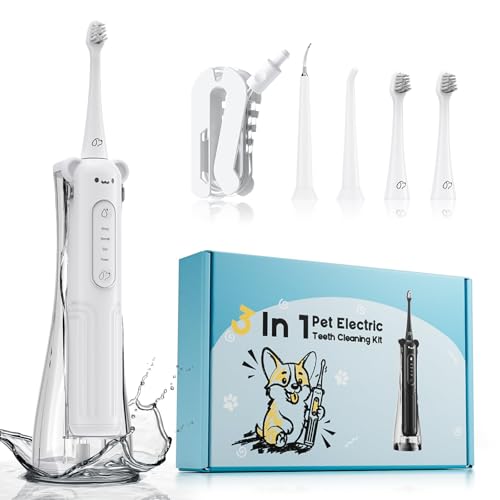
- Electric dog toothbrush for pets or an ultrasonic dog teeth cleaner (optional, for deep cleaning)
- Dog dental water additive spray to support daily mouth health
- Dog dental cleaning mouth wipe kit for on-the-go touchups
- Plain, dog-safe toothpaste (never human toothpaste)
- Healthy treats that promote chewing and dental health, if recommended by a vet


Before You Start
Assess your dog’s temperament and any medical concerns with a veterinarian before starting a brushing routine, especially if there are gingival injuries, loose teeth, or dental disease. Establish a realistic schedule—daily brushing is ideal, but even 2–3 times per week helps. Prepare a calm environment, use treats to reward cooperation, and keep sessions short at first.
Safety notes: Use only veterinary-approved dental products and never force a brushing motion. If your dog shows signs of distress, pause and try again later. For dogs with sensitive mouths, start with a wipe or finger brush before progressing to a full toothbrush.
Step-By-Step: How To Keep A Dog’s Teeth Clean
- Gather all supplies within reach and choose a quiet time to brush when your dog is relaxed.
- Introduce the toothbrush and paste by letting your dog lick the toothpaste from your finger or a small dab on a chew toy.
- Position your dog comfortably, standing or seated, with your non-dominant hand along the muzzle and your dominant hand ready to brush.
- Begin with the outer surfaces of the back teeth, using small circular or gentle back-and-forth motions for 15–20 seconds per side.
- Brush along the gumline to target plaque-prone areas, gradually extending to the front teeth as your dog tolerates it.
- For canine mouths that resist brushing, use the dog dental cleaning mouth wipe kit to wipe away debris and visualize progress, then reintroduce brushing gradually.
- Incorporate the dog dental water additive spray daily as directed to support overall oral health between brushings.
- If using an electric dog toothbrush for pets or ultrasonic dog teeth cleaner, follow the manufacturer’s instructions and start with short, gentle sessions to acclimate your dog.
- Reward your dog with praise and a healthy treat after each session to create a positive association with dental care.
- Schedule regular veterinary checkups to monitor dental health and determine if professional cleaning is needed.
- Track progress with a simple log: note brushing frequency, response, and any changes in breath or appetite.
- Adjust the routine based on your dog’s age, breed, and dental needs, ensuring safety at all times.
Troubleshooting
| Symptom | Likely Cause | Fix | Prevention |
|---|---|---|---|
| Dog resists brushing | Unfamiliar sensation or fear | Short sessions, use wipe or finger brush, reward progression | Introduce gradually, pair with treats |
| Persistent bad breath | Tartar buildup or dental disease | Increase brushing, consult vet for cleaning if needed | Daily routine and veterinary checkups |
| Bleeding gums | Gingivitis or brushing too hard | Soft touch, switch to wipe kit, seek vet guidance | Gentle technique, proper tools |
| Tooth or gum tenderness after brushing | Recent dental work or sensitivity | Reduce intensity, use milder products, follow vet advice | Monitor and adjust routine |
Common Mistakes
- Using human toothpaste or brushing too aggressively
- Inconsistent routine or infrequent cleanings
- Rushing through sessions without praise or rewards
- Neglecting preventive products that support daily care
Consistent practice with the right tools yields better results over time. Training patience and a positive association helps dogs tolerate ongoing care.
Tips For Best Results
- Schedule brushing after meals when breath is fresher and the dog is calm
- Pair brushing with a short play session to maintain engagement
- Rotate among tools: brush, wipe, and occasional ultrasonic cleaning for variety
- Use a no-drip toothpaste formula designed for dogs to avoid gagging
- Consult a vet about product choices for your dog’s breed and age
Call A Professional
Seek veterinary advice or dental cleaning if you notice persistent mouth pain, swelling, loose teeth, or significant tartar buildup. Do not attempt aggressive cleaning beyond home care, and avoid using harsh brushes or DIY devices that could injure oral tissues.
FAQ
How often should I brush my dog’s teeth?
Most dogs benefit from daily brushing, but even 2–3 times per week can help prevent tartar and gingivitis.
What toothpaste should I use for dogs?
Use only veterinary-approved dog toothpaste; human toothpaste can be harmful if swallowed.
Can I use an electric toothbrush for my dog?
Yes, many dogs tolerate electric brushes; start slowly and follow product guidelines to acclimate safely.
When is professional dental cleaning necessary?
Professional cleaning is advised if there is heavy tartar, persistent bad breath, or signs of dental disease despite at-home care.
Buying Guide
Choosing the right dental care setup involves considering size, routine, noise tolerance, and ease of use. The following factors help compare options and match a system to a dog’s needs.
- <bSize and fit: Ensure toothbrush heads are appropriate for your dog’s mouth size and that finger brushes are comfortable to hold.
- <bNoise and vibration: Quiet tools reduce stress; ultrasonic devices may be more effective but require gradual acclimation.
- <bEnergy efficiency: Battery-powered brushes are convenient, with longer life cycles and lower maintenance.
- <bControls: Simple on/off or adjustable speed can help accommodate sensitive dogs.
- <bPlacement and storage: Compact kits with secure storage keep brushes and pastes clean and accessible.
- <bMaintenance: Look for easy-to-clean brushes and kit components that withstand regular sanitizing.
- <bCompatibility: If you already use dental water additives or wipes, ensure your tools work well with them.
For many households, a basic dog toothbrush kit paired with a dental water additive and wipes provides reliable daily support. Consider stepping up to an ultrasonic or electric toothbrush if your dog accepts them well and you need deeper cleaning, but always follow veterinary guidance for best results.