Dog vomit is a common household mishap that can leave odors and stains if not addressed promptly. This guide offers practical, step-by-step methods using readily available pet-safe products to restore cleanliness and freshness in your home.
Read through the quick overview first to understand the best approach, then follow the detailed steps for thorough results that reduce lingering odors and prevent repeat incidents.
Quick Answer
Act quickly, blot up excess liquid, apply an enzymatic cleaner, and finish with a thorough extraction. Ventilate the area and follow up with a deodorizing enzyme cleaner for long-lasting freshness.
What You’ll Need
- Enzymatic cleaner for pet vomit 32 oz spray
- Pet odor eliminator enzyme cleaner 1 gallon
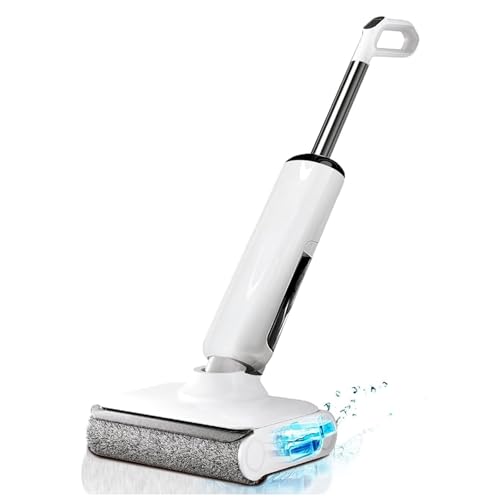
- Wet dry vacuum for pet messes and vomit
- Disposable cleaning gloves medical grade
- Carpet cleaning brush scrub set


Before You Start
Prepare the area by removing any solid debris with a tissue or scraper. Use disposable cleaning gloves to protect skin, especially when saturating upholstery or carpets. Test cleaners on a hidden spot first to ensure no discoloration. Plan for a 60–120 minute window for cleaning and drying; longer for deep stains or multiple rooms.
Ensure good ventilation by opening doors and windows. If the vomit contains a strong color or appears to have penetrated deep into padding, consider additional treatment or professional cleaning for best results.
Step-By-Step: How To Clean Up Dog Vomit
- Remove solid material gently with a disposable wipe or spoon, then blot the area with a clean cloth to absorb as much liquid as possible.
- Apply a light mist of enzymatic cleaner for pet vomit at the stain, letting it soak in for 5–10 minutes to break down organic matter.
- Blot again with a clean towel to lift moisture; avoid rubbing, which can push stains deeper.
- For carpets, use a carpet cleaning brush scrub set to work the cleaner into the fibers in a gentle, circular motion.
- If odor persists, apply pet odor eliminator enzyme cleaner and allow it to sit according to the label instructions.
- Use a wet dry vacuum for pet messes and vomit to extract liquid from carpets or upholstery.
- Rinse lightly with water if the cleaner requires it, then extract again to remove suds and residues.
- Dry the area thoroughly with towels and consider a fan or dehumidifier to speed up drying and prevent mold growth.
- Check the spot after drying; repeat steps if any stain or odor remains.
- Dispose of used gloves and cleaning materials in a sealed bag to prevent odor spread.
Troubleshooting
| Symptom | Likely Cause | Fix | Prevention |
|---|---|---|---|
| Persistent odor after cleaning | Insufficient enzymatic action | Reapply enzymatic cleaner, extend dwell time | Treat promptly and use odor eliminator enzyme cleaner |
| Stain remains after cleaning | Stain penetrated into padding | Repeat cleaning or use upholstery-safe cleaner; consider professional extraction | Address immediately; blot instead of rubbing |
| Suds or sticky residue | Cleaner residue not fully rinsed | Rinse and extract thoroughly with wet dry vacuum | Follow label rinsing steps |
| Color bleed on fabric | Cleaner or dye reaction | Test in hidden area; select color-safe products | Spot-test before full application |
Common Mistakes
- Delaying cleaning after vomit exposure
- Rubbing stains instead of blotting or extracting
- Using harsh cleaners that can cause discoloration
- Over-wetting carpets or fabrics without proper extraction
Tips For Best Results
- Apply enzymatic cleaners directly to the stain for targeted action.
- Work cleaners from outer edges toward the center to prevent spreading.
- Always use disposable gloves and wash hands after handling contaminated materials.
- Keep a small spray bottle of enzyme cleaner accessible for quick response to new accidents.
- Pair cleaners with a wet dry vacuum to maximize moisture removal.
Call A Professional
Contact a professional cleaner if the vomit affects porous upholstery, heavy padding, or if lingering odors persist after multiple cleaning attempts. Seek urgent assistance if anyone in the home has allergies or respiratory sensitivities, or if mold-like smells develop after cleaning.
FAQ
What is the best cleaner for dog vomit?
Enzymatic cleaners designed for pet vomit are typically most effective because they break down organic material and neutralize odors.
Should I rinse after applying enzymatic cleaner?
Rinsing is not always necessary, but some formulations require a light rinse to remove residue before extraction for best results.
Can I clean vomit on upholstery?
Yes, but test a hidden spot first and use a cleaner safe for upholstery; then extract thoroughly to prevent saturation.
How long does it take for a cleaned area to dry?
Drying times vary, but most treated areas dry within a few hours; use fans or dehumidifiers to speed up the process.
Is a wet/dry vacuum essential?
While not mandatory, a wet/dry vacuum greatly improves moisture removal and reduces drying time.
Can I use carpet cleaner on hard floors?
Carpet cleaners are best for textiles; for hard floors, use an enzymatic cleaner and then wipe with a cloth.
What if the stain reappears after cleaning?
Reassess the area, reapply enzyme-based cleaner, and consider a second treatment or professional cleaning for persistent stains.
Buying Guide
When choosing products for dog vomit cleanup, consider these factors:
- Size and coverage: Choose enzymatic cleaners in convenient bottle sizes for both small stains and larger incidents. A gallon-size option helps with frequent messes.
- Odor control: Look for cleaners specifically labeled for pet odors to address lingering smells beyond surface cleanliness.
- Safety and material compatibility: Ensure products are safe for carpet, upholstery, and hard surfaces. Check for pet- and family-safe formulations.
- Application method: Sprays are convenient for quick spot treatment; foaming or gel formats can be effective for deep fibers.
- Extraction capability: A wet dry vacuum designed for pet messes helps remove moisture and residue efficiently.
- Surface placement: For carpets, fabrics, and padding, consider how often the area needs cleaning and choose products that suit those surfaces.
- Noise and energy use: If using a vacuum, look for models with reasonable noise levels and energy efficiency; consider battery vs. corded options.
- Maintenance: Opt for cleaners and tools that are easy to store and reuse, with clear instructions for repeated use.
Thinking about a complete cleanup kit? A balanced set often includes an enzymatic cleaner, a larger odor eliminator, a versatile wet/dry vacuum, and a scrub brush kit. These tools cover most household vomit incidents and help maintain a fresher home.