Frosted glass adds privacy and a soft, diffused look to bathrooms, doors, and windows. Over time, it can accumulate fingerprints, soap scum, and mineral deposits. This guide provides practical, step-by-step instructions to restore clarity without scratching or damaging the frosted finish.
By following a methodical approach and using the right tools, homeowners can achieve streak-free results. The process emphasizes gentle cleaning, proper drying, and maintenance tips to extend the life of frosted surfaces in American homes.
Quick Answer
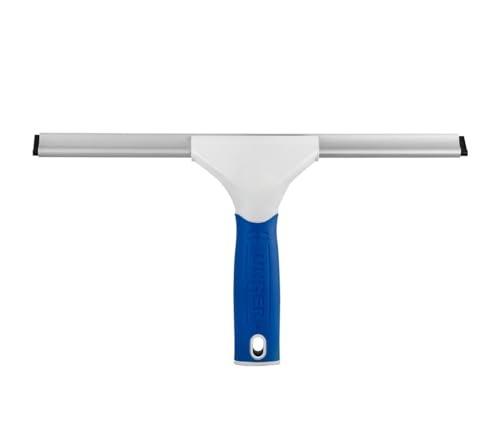
Use a non-abrasive glass cleaning spray, apply with a microfiber cloth, and finish with a 12 inch dual rubber blade squeegee for a smooth, lint-free dry. For delicate frosting, a plastic glass scraper can lift embedded debris without scratching. Always dry surfaces thoroughly and avoid harsh scrubbers on frosted glass.
What You’ll Need
- Frosted glass cleaning kit with squeegee and microfiber cloth
- 12 inch dual rubber blade squeegee for glass windows
- Premium microfiber cleaning cloth for frosted glass
- Non-abrasive glass cleaning spray for frosted glass
- Plastic glass scraper for delicate frosting removal


Before You Start
Before cleaning, inspect the frosted surface for chips or loose edges. Test a small, inconspicuous area first to ensure the cleaner won’t alter the finish. Gather tools within easy reach to minimize drips and accidents. Plan to work in a well-lit area and protect surrounding surfaces with a towel or old sheet. Time investment typically ranges from 15 to 45 minutes depending on the size of the area. Take care to avoid harsh solvents that can cloud or strip frosted patterns.
Step-By-Step: How To Clean Frosted Glass
- Remove loose dirt with a soft brush or microfiber cloth to prevent scratching during wet cleaning.
- Lightly mist the frosted surface with a non-abrasive glass cleaning spray. Let it sit for 15–20 seconds to loosen grime.
- Wipe in a consistent, vertical or horizontal motion using a premium microfiber cleaning cloth. Avoid circular scrubbing to minimize micro-scratches.
- For stubborn spots, gently lift with a plastic glass scraper held at a shallow angle. Do not apply excessive pressure.
- Use the microfiber cloth to buff the area dry, removing any remaining moisture and ensuring a uniform matte finish.
- Switch to the squeegee for larger panes. Start at the top and pull downward in long, even strokes, wiping the blade after each pass.
- Dry the edges and corners with a dry microfiber cloth to prevent water spots and streaks.
- Evaluate the surface under good lighting. Repeat with a targeted spray or cleaner on any lingering spots.
- Rinse the cloth frequently to avoid re-depositing grime onto the frosted surface.
- Place the tools back in their storage after the glass is completely dry to prevent water marks on metal components.
- Schedule regular maintenance to keep the frosted finish looking even and soft-focused.
Troubleshooting
| Symptom | Likely Cause | Fix | Prevention |
|---|---|---|---|
| Streaks after cleaning | Residual cleaner or moisture | Wipe with a dry microfiber cloth in a final pass | Use a lint-free cloth every time |
| Cloudy or hazy appearance | Harsh cleaner or hard water minerals | Switch to non-abrasive spray; rinse with distilled water if necessary | Avoid mineral-rich cleaners |
| Scratches visible after scrubbing | Ab abrasive pad or metal scraper | Stop immediately; switch to plastic scraper and softer cloth | Test spot first |
| Persistent soap scum buildup | Soap residue and hard water | Clean with a specialized non-abrasive spray and microfiber cloth | Clean regularly to prevent buildup |
Common Mistakes
- Using abrasive pads or metal tools on frosted glass
- Applying heavy pressure that can wear away the finish
- Neglecting to dry the surface completely, leading to water spots
- Using cleaners with ammonia or vinegar on certain frosted patterns
Adjust cleaning frequency based on room factors such as humidity, exposure to steam, and frequency of use. Consistency helps maintain the soft, translucent look of frosted glass.
Tips For Best Results
- Always start with a dry wipe to remove loose particles before applying liquid cleaners.
- Work in sections to prevent cleaning solution from drying mid-task, which can cause streaks.
- Use the squeegee on larger panes to speed up the process and minimize drips.
- Choose microfiber cloths labeled for glass to maximize lint-free performance.
- Regularly replace or wash cloths to avoid transferring grime back onto the glass.
Call A Professional
Consider hiring a professional if frosted glass has deep etching, persistent hard water stains, or if the finish appears damaged after repeated cleaning attempts. Stop and seek help if edges loosen or if the glass shows signs of cracking or warping. A pro can assess whether restoration or replacement is needed and can provide guidance on preserving the frosted appearance.
FAQ
What is the safest way to clean frosted glass?
Use a non-abrasive glass cleaner, a premium microfiber cloth, and a plastic scraper for delicate spots; dry with a microfiber drying cloth to prevent streaks.
Can I use vinegar on frosted glass?
Avoid acidic cleaners that may degrade certain frosted patterns. Prefer non-abrasive cleaners designed for frosted glass.
How do I remove hard water stains from frosted glass?
Apply a non-abrasive cleaner, then gently scrub with a soft microfiber cloth. If necessary, use a plastic scraper for mineral deposits, followed by thorough drying.
How often should frosted glass be cleaned?
Frequency depends on location and use; bathrooms and showers may require weekly cleaning, while interior doors can be monthly or quarterly.
Is a squeegee necessary for frosted glass?
A squeegee speeds up large-area cleaning and helps reduce streaks, especially on glass doors and shower panels.
Should I dry frosted glass after cleaning?
Yes. Drying with a microfiber cloth eliminates water spots and preserves the frosted texture.
Buying Guide
When selecting tools and products for frosted glass, consider size, noise, ease of use, and compatibility with the frosted finish. A dedicated frosted glass cleaning kit with a squeegee and microfiber cloth provides a complete system for routine maintenance. For larger panes, a 12 inch dual rubber blade squeegee offers efficient coverage and streak-free results. Look for a non-abrasive glass cleaner to protect the frosted pattern and a premium microfiber cloth for best results. A plastic glass scraper is useful for delicate frost removal without scratching. Finally, ensure storage and handling are convenient to encourage regular cleaning cycles.
Key Buying Factors
Size: Choose squeegees and cloths that fit the glass area. Noise level: Look for quiet cleaners and tools to avoid disruption. Energy efficiency: Not directly applicable to manual cleaning, but smaller, efficient tools reduce effort. Controls: Simple, ergonomic handles reduce fatigue. Placement: Store cleaning tools in an accessible location near the cleaning area for quick maintenance. Compare kit inclusions: a complete set typically includes squeegee, microfiber cloth, and cleaner, which helps ensure you have all necessary items in one purchase.