Getting rid of an old bed involves planning, safety, and the right tools. This guide walks American homeowners through practical steps to dismantle, move, and dispose of a mattress and bed frame with minimal hassle and potential damage to living spaces.
Whether you’re upgrading, downsizing, or staging a home, following a structured approach helps prevent injuries and ensures compliance with local disposal rules. The process covers preparation, safe disassembly, relocation, and disposal options tailored to typical U.S. homes.
Quick Answer
Outline: confirm disposal rules, gather basic tools, disassemble the frame, protect floors, move with proper equipment, and schedule pickup or drop-off. Use heavy-duty moving gear to secure large pieces and minimize strain.
What You’ll Need
- Mattress disposal bag heavy-duty 20×80 inches for moving
- Furniture dolly for mattress and bed frame
- Bed frame disassembly tool set hex keys torx screwdriver
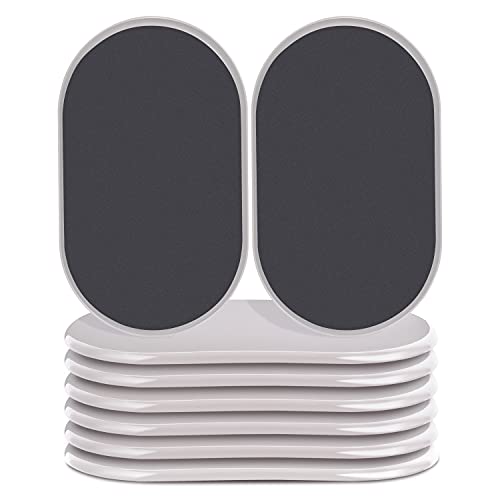
- Sliding furniture movers sliders for bed frame
- Mattress moving straps with handles belt


Before You Start
Assess the bed size and frame type to plan the dismantling order. Clear a wide path from the room to the exit and place protective coverings on floors to prevent scuffing. Safety first: wear gloves, lift with your legs, and avoid twisting your back. Check local regulations for mattress recycling or bulk-item pickup, as rules vary by city and county. Estimate 1–3 hours depending on bed complexity and stair access.
Step-By-Step: How To Get Rid Of A Bed
- Remove all bedding and toppers, bagging any linens for laundry or disposal.
- Detach the headboard and footboard if possible, using the bed frame disassembly tool set. Keep screws in a labeled bag.
- Disassemble side rails and footboards, placing small parts in a labeled container to prevent loss.
- Inspect the mattress for tags describing disposal or recycling options; bag the mattress if required by your pickup service.
- Lift and set the bed frame onto a furniture dolly, using sliders to reduce friction when maneuvering through rooms and doorways.
- Secure the mattress with mattress moving straps and place it onto a second dolly or into a disposal bag for transport.
- Move pieces slowly along the planned path, keeping the load centered and avoiding abrupt turns at corners.
- Deliver the components to the designated curbside pickup, recycling center, or bulky-item drop-off as arranged.
- Re-check the path after removal to ensure no debris remains and that doorways are clear for other movers or residents.
- Reposition any furniture in the room if needed and store tools for future use.
- Confirm receipt with the disposal service and obtain a disposal tag or confirmation number if necessary.
- Inspect the area for damage and, if applicable, file a claim with the service provider for any issues.
Troubleshooting
| Symptom | Likely Cause | Fix | Prevention |
|---|---|---|---|
| Bed frame won’t disassemble easily | Stuck screws or corroded hardware | Apply penetrating oil, use hex/torx driver firmly | Lubricate hardware during assembly to ease future disassembly |
| Mattress won’t fit through doorway | Oversized dimensions for current path | Angle approach, remove additional trim, or temporarily remove doors | Plan route before moving; measure openings in advance |
| Heavy pieces cause back strain | Improper lifting technique | Use dollies, keep back straight, bend knees | Team lift or hire assistance for large items |
| Pieces scratching floors | Sliding directly on bare floors | Use floor protection and sliders; move slowly | Lay down blankets or cardboard before moving |
| Delayed pickup or disposal | Incorrect packaging or improper labeling | Follow service guidelines exactly; label bags and bags sizes | Verify collection windows and requirements ahead of time |
Common Mistakes
- Skipping measurements and underestimating clearance
- Trying to carry heavy pieces alone without equipment
- Failing to secure screws and small parts, causing loss
- Not protecting floors, resulting in scratches or scuffs
- Poor route planning leading to repeated repositioning
Carefully planning and using proper tools helps prevent injuries and damage, while saving time on disposal day.
Tips For Best Results
- Break down the bed in stages to reduce weight per load and simplify maneuvering.
- Pre-lay protective coverings on hallways and door frames to minimize friction and impact.
- Label each bag or container with its contents and intended destination to streamline processing.
- Coordinate with neighbors if stairs or elevators are involved to avoid time conflicts.
- Schedule bulk-item pickup or recycling appointments well in advance to secure a suitable window.
Call A Professional
Consider a pro if the bed involves complex disassembly, heavy frames, or restricted access. Stop and seek help if any of these occur: persistent hardware resistance, damaged walls or floors, or lack of safe maneuvering space. Professionals can safely disassemble, wrap, and remove bulky items, saving time and reducing risk.
FAQ
Can I just throw a bed in the trash?
Most areas require special disposal or recycling for mattresses and large furniture. Check local guidelines before discarding.
Do I need to disassemble the bed before pickup?
Often yes, especially for mattresses and large frames. Some services accept disassembled pieces; confirm with the provider.
What should I do with a mattress that has stains or odors?
Follow disposal or cleaning guidelines from local regulations; many services require sealed containment or specific recycling channels.
Are there alternatives to disposal, like donation?
If the bed is in good condition, consider donation to a charity or reuse program before disposal.
How far in advance should I schedule pickup?
Schedule as early as possible, especially in busy seasons. Confirm pickup windows and any fees with the dispatcher.
Buying Guide
When shopping for bed removal tools and related gear, consider size, weight, and how often you anticipate moving furniture. The right setup balances safety, efficiency, and cost, and should fit typical American homes.
- <bSize and compatibility: Choose a dolly and sliders rated for heavier loads and wide enough to handle standard bed frames.
- <bNoise level: Some moving equipment operates quietly, which helps during apartment moves or early morning pickups.
- <bEnergy efficiency and storage: Compact, foldable tools reduce storage space and clutter after use.
- <bControls and ease of use: Tools with simple interfaces (Allen keys, Torx) reduce handling complexity for DIY disassembly.
- <bPlacement considerations: Plan routes that avoid stairs where possible; ensure doors and hallways will accommodate the bed components.
Buying the right set of tools supports smooth disposal, reduces physical strain, and ensures compliance with local disposal rules. If in doubt, match tool capabilities to the bed’s construction and the layout of the home.