Tempered glass shower doors add a sleek, modern look to bathrooms, but mineral deposits, soap scum, and hard water can dull their clarity. This guide provides practical, step-by-step methods to restore shine using common cleaning tools and products. The approach emphasizes safety, efficiency, and lasting results.
Quick Answer
To clean tempered glass shower doors effectively: remove loose debris, spray a pH-balanced cleaner or homemade vinegar solution, scrub with a microfiber pad or soft brush, rinse thoroughly, and dry with a squeegee or microfiber cloth. For tough buildup, use a glass-cleaning wand with a microfiber pad or a dedicated scraper with replacement blades, then re-seal as needed.
What You’ll Need
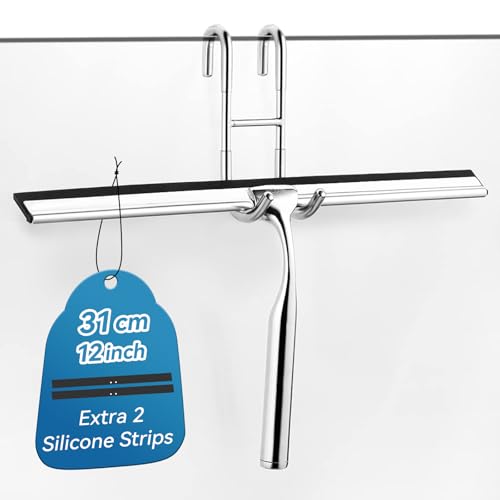
- Tempered glass shower door squeegee with rubber edge
- Microfiber cleaning cloths for glass shower doors
- Glass shower door scraper with replacement blades
- Extendable shower door cleaning wand with microfiber pad
- Glass shower cleaning brush for tempered doors


Before You Start
Prepare a safe cleaning zone and protect surrounding surfaces from excess cleaner. Use gloves to protect hands from cleaners and sharp blades. Ventilate the bathroom well to reduce fumes. Time estimate: 15–30 minutes for routine cleaning; 30–60 minutes for heavy buildup. Critical cautions include keeping blades away from skin and edges, avoiding abrasive pads on tempered glass, and never mixing cleaners with bleach or ammonia in confined spaces.
Step-By-Step: How To Clean Tempered Glass Shower Doors
- Remove loose soap scum and water with a quick wipe using a microfiber cloth.
- Apply a pH-balanced glass cleaner or a vinegar-water solution (1:1) to the doors, focusing on corners and tracks.
- Let the solution sit for 1–2 minutes to loosen deposits, then wipe with a microfiber pad in circular motions.
- Use an extendable cleaning wand with a microfiber pad for hard-to-reach areas and higher panels.
- For stubborn buildup, gently use a glass shower door scraper with replacement blades along the glass surface; avoid excessive pressure.
- Rinse the doors with clean water to remove cleaner residue.
- Dry the surface with a squeegee from top to bottom to prevent water streaks.
- Finish with a microfiber cloth to buff and remove remaining moisture for a crystal-clear finish.
- Inspect for spots; if found, repeat the cleaning method on those areas.
- For preventive maintenance, wipe doors after each shower and reapply a light water-repellent conditioner every few months.
- Store tools in a ready-to-use setup to streamline future cleanings and minimize time spent on maintenance.
- Dispose of used cloths and replace blades as needed to maintain effectiveness and safety.
Troubleshooting
| Symptom | Likely Cause | Fix | Prevention |
|---|---|---|---|
| Cloudy or streaky glass | Residue left from cleaner | Rinse thoroughly and re-wipe with a clean microfiber | Use high-quality microfiber and avoid waxy sprays |
| Stubborn soap scum buildup | Mineral deposits | Apply stronger cleaner or vinegar solution, let sit longer, scrub with scrub brush | Wipe daily after showers |
| Scratches appearing on glass | Using abrasive tools or hard blades | Switch to softer tools; never scrape with metal edges | Gentle brushing only; replace dull blades |
| Streaks after drying | Water minerals | Dry with squeegee, buff with microfiber | Wipe with a11-mineral-free water or distilled water |
Common Mistakes
- Using abrasive pads or steel wool on tempered glass
- Neglecting to dry the glass after cleaning, leading to mineral spots
- Over-relying on harsh chemical cleaners that can damage seals
- Forgetting to replace worn blades on the glass scraper
Tips For Best Results
- Clean on a routine schedule to prevent heavy buildup instead of removing heavy deposits all at once.
- Test any cleaner on a small area before applying widely to avoid damage.
- Keep tools dedicated to glass cleaning to avoid cross-contamination from other surfaces.
- Use a microfibre pad with a light touch to minimize micro-scratches.
- Store cleaning blades out of reach of children and consider safety caps when not in use.
Call A Professional
Call a professional if tempered glass shows deep pockmarks, chips, or persistent clouding despite regular cleaning, or if doors are bowed or misaligned. Seek expert help for fragile doors or issues with door tracks and seals that affect safety and function.
FAQ
Can I use vinegar on tempered glass shower doors?
Yes, a diluted vinegar solution is effective for mineral deposits, but avoid leaving it on metal hardware for too long and rinse well.
What is the best way to prevent water spots after cleaning?
Dry with a squeegee immediately after rinsing, then buff with a microfiber cloth.
How often should I clean tempered glass shower doors?
Routine cleaning once a week or biweekly helps prevent buildup and keeps glass crystal clear.
Are replacement blades necessary for the scraper?
Yes, replace blades when they dull to maintain efficient, safe scrubbing without scratching glass.
Is it safe to use a glass wand for tall or corner panels?
Yes, extendable wands are designed for hard-to-reach areas while keeping your hands dry.
Should I wax or seal tempered glass after cleaning?
Applying a glass sealant or water-repellent product can aid in repelling water and reducing spotting.
Buying Guide
When choosing tools for cleaning tempered glass shower doors, consider size, accessibility, and maintenance needs. A combination of a squeegee, microfiber cloths, and a gentle scraper covers routine and heavy-duty tasks. Look for edge-soft squeegees to avoid streaks, replaceable blades for convenience, and an extendable wand for higher panels. Noise levels and ease of use matter for frequent cleanings, and consider a kit that includes a dedicated bathroom cleaner formulated for glass surfaces. Finally, assess compatibility with your door style and frame materials to ensure safe operation and long-lasting results.