Shiny skin on the legs often signals excess oil, contact with moisturizers that don’t absorb well, or buildup of dead skin cells. A practical routine combines gentle exfoliation with proper hydration and sun protection to balance sheen without stripping the skin. This guide walks through safe, step-by-step methods suitable for most skin types.
Quick Answer
Target shine with regular exfoliation, controlled cleansing, and lightweight moisturizers. Use a moderate exfoliant 2–3 times per week, avoid over-washing, and pick non-greasy creams. Hydration plus sun protection helps prevent temporary shine from UV exposure. If shine persists despite routine, consider skin type assessment and consult a clinician if needed.
What You’ll Need
- Exfoliating body brush long handle legs
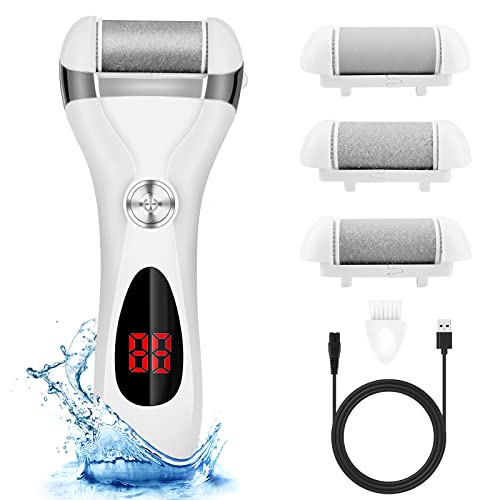
- Electric foot file callus remover for legs
- Pumice stone for legs exfoliation
- Loofah bath sponge exfoliating for legs
- Exfoliating glove for legs bath


Before You Start
Prepare a clean, dry working area and keep a towel handy. Avoid aggressive scrubbing on broken or irritated skin. Begin with a gentle cleanse to remove surface oils, then proceed with exfoliation. Time commitment: about 20–40 minutes per session, not including drying and moisturizing. If you have sensitive skin, start slow and patch-test products on a small area first.
Step-By-Step: How To Manage Shiny Skin On Legs
- Wash legs with a mild, sulfate-free cleanser to remove surface oils and impurities.
- Apply a dampening routine: use a loofah bath sponge exfoliating for legs to lift dead skin cells gently.
- Select a primary exfoliation tool: choose either the exfoliating glove for legs bath or the pumice stone for legs exfoliation for dry areas; avoid using both aggressively in the same session.
- Use a circular, light pressure motion on the shiniest areas (knees, shins, and calves) for 1–2 minutes per area.
- Rinse skin with lukewarm water to remove loosened skin cells and residue.
- Pat skin dry with a clean towel; moisturize with a lightweight, non-greasy lotion or gel designed for body use.
- If calluses or stubborn shine remain, gently use the electric foot file callus remover for legs on dry, thick patches, following device instructions and avoiding prolonged use on the same spot.
- Finish with a broad-spectrum sunscreen if you’ll be outdoors; UV exposure can temporarily boost shine and age skin.
Troubleshooting
| Symptom | Likely Cause | Fix | Prevention |
|---|---|---|---|
| Persistent shine after washing | Overactive sebaceous glands or heavy moisturizers | Switch to a lightweight matte moisturizer; reduce product layering | Patch-test new products; avoid oil-heavy serums on legs |
| Dry, flaky patches post-exfoliation | Over-exfoliation or harsh tools | Limit exfoliation frequency to 1–2 times per week; use gentler motions | Follow with hydration; use a hydrating serum if skin feels tight |
| Redness after using a pumice stone | Rough pressure or sensitive skin | Reduce pressure; stop if burning sensation occurs | Limit use to thickened areas; use softer tools on normal skin |
| Shine only in sun-exposed areas | Sun damage or uneven skin tone | Apply sunscreen daily; consider a light exfoliant for overall balance | Wear protective clothing; reapply sunscreen every 2 hours outdoors |
Common Mistakes
- Over-exfoliating, which can irritate skin and trigger oil production
- Using heavy oils or greases on legs that are prone to shine
- Skipping sunscreen, especially after exfoliation when skin is more sensitive
- Rushing through steps; tool pressure can cause micro-tears or irritation
Adopting a measured routine helps keep legs balanced and prevents the rebound shine that comes from aggressive exfoliation.
Tips For Best Results
- Alternate exfoliation tools to prevent skin adaptation and keep it consistent
- Choose a non-greasy moisturizer labeled for body use to minimize shine
- Keep sessions irregular but consistent—2–3 times weekly is a good starting point
- Hydration supports skin texture; drink water and maintain a balanced diet
- If you notice irritation, reduce frequency and consult a dermatologist if needed
Call A Professional
Seek professional help if shine persists despite routine, if there is persistent redness or itching, if you have diabetes or circulatory concerns, or if you have open wounds. A dermatologist can assess skin type and recommend targeted therapies or prescription options that suit individual needs.
FAQ
What causes shiny skin on legs?
It is often due to excess oil production, moisturizers not absorbing fully, or surface buildup of dead skin cells.
How often should I exfoliate my legs?
Generally 1–3 times per week, depending on skin sensitivity and the method used.
Can I use all exfoliation tools at once?
It is best to rotate tools and avoid applying heavy pressure with multiple tools in a single session.
Is sunscreen necessary after exfoliating?
Yes, because exfoliation can make skin more permeable to UV rays; use a broad-spectrum sunscreen daily.
What moisturizers are best for shiny legs?
Look for lightweight, non-greasy lotions or gels labeled for body use and oil-control properties.
When should I see a professional?
If shine persists after routine adjustments, or if you experience redness, irritation, or skin changes, consult a clinician.
Buying Guide
When selecting products to reduce leg shine, consider size, feel, and how comfortable they are to use. Ask yourself: Do you prefer a mechanical tool or a soft cloth-based approach? Are you aiming for quick results or long-term balance?
- Size and handle design: Longer handles help reach the back of the legs; consider ergonomic grips for easier use.
- Exfoliation strength: Mild to moderate options work well for sensitive skin; stronger tools are better for rough areas but require caution.
- Material and hygiene: Replaceable heads or washable tools facilitate hygiene and reuse.
- Moisturizer compatibility: Pair exfoliants with non-greasy moisturizers to minimize shine.
- Noise and power: Electric options vary in noise and battery life; choose based on comfort and schedule.
- Placement and storage: Keep tools dry and accessible in a bathroom cabinet to avoid moisture buildup.
- Maintenance: Regular cleaning of brushes and stones extends life and prevents skin irritation.
For most users, a balanced combination—gentle mechanical exfoliation, a light moisturizer, and sunscreen—delivers consistent results without overdoing it. If in doubt, start with one tool and a mild routine, then expand as your skin adapts.