White-letter tires add a classic contrast to many American cars, but keeping those white characters bright can be a challenge. This guide walks through a practical, step-by-step approach to remove grime, restore the white lettering, and maintain a fresh look without harming the tire. It combines proven methods with product recommendations that are commonly used by detail enthusiasts in the United States.
A Quick Answer
For best results, start with a stiff-bristle tire cleaning brush to loosen dirt, apply a focused tire cleaning gel to lift stains, scrub with the brush, rinse, and finish with a microfiber towel to dry and inspect. Repeat as needed and seal the lettering with a foam applicator for long-lasting whiteness.
What You’ll Need
- Stiff-bristle tire cleaning brush 10 inch for white-letter tires
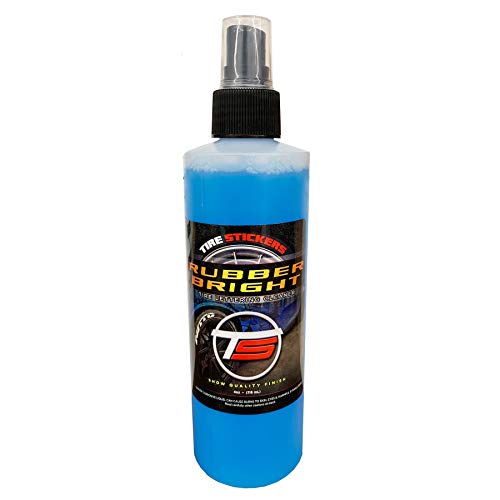
- Tire cleaning gel spray 16 oz for removing white lettering residue
- Microfiber towel set 16×24 inches for tire cleaning and whitening
- Wheel and tire detailing kit with nylon scrub brush and foam applicators
- Tire scrub pad and applicator kit for removing grime from white lettering on tires

Before You Start
Before tackling the white letters, work in a shaded area to prevent rapid drying of cleaners. Protect painted rims with a dedicated wheel cleaner or masking tape if needed. Time yourself: the process can take 20–40 minutes per axle, depending on grime. Wear gloves and eye protection to avoid chemical contact, especially with concentrated gels. If you notice chipped lettering or fragile sidewalls, stop and reassess.
Step-By-Step: How To Restore White Lettering
- Rinse the tire surface thoroughly to remove loose dirt and debris.
- Apply an even layer of tire cleaning gel spray to the white lettering, focusing on the raised characters.
- Let the gel dwell for 60–90 seconds to break down grime without drying too fast.
- Use the stiff-bristle brush to scrub the lettering in firm, circular motions. Maintain light pressure to avoid tire damage.
- Rinse the tire again to wash away loosened residue. Check for remaining staining on the white letters.
- For stubborn grime, repeat the gel application and brush scrubbing on the affected areas.
- In a separate bucket or spray bottle, apply a small amount of tire foam or gel to a microfiber towel and wipe along the letters to lift residual stains.
- Dry the tire with a clean microfiber towel, paying attention to the edges and crevices of the white letters.
- Inspect under bright light. If any yellowing persists, use a dedicated tire scrub pad or a nylon brush with gentle scrubbing to target the remaining spots.
- Optionally seal the letters by applying a light layer of foam applicator product to protect against future grime and UV fading.
- Rinse any leftover cleaning product from the wheel and tire area to prevent residue on rims or tread.
- Repeat the entire process as needed for heavily soiled tires, ensuring even results across all four wheels.
Troubleshooting
| Symptom | Likely Cause | Fix | Prevention |
|---|---|---|---|
| White letters look gray after cleaning | Residue left from cleaner | Rinse thoroughly and wipe with microfiber | Rinse immediately after scrubbing |
| Yellow tint returns quickly | Sun exposure and oxidation | Apply a light protective wipe-on product | Protect tires from direct sunlight when possible |
| Scratches in lettering | Overzealous scrubbing | Use gentler pressure and switch to softer tools | Avoid aggressive scrubbing on raised letters |
| Gel won’t lift stains | Stubborn oxidation or older grime | Let dwell longer or repeat with a stronger cleaner | Clean regularly to prevent heavy buildup |
| Rim discoloration | Cleaner contacting rims | Rinse rims promptly and use masking tape | Isolate rims during cleaning |
Common Mistakes
- Using harsh brushes or metal tools that damage the tire’s surface
- Letting cleaners sit too long and drying on the rubber
- Neglecting to rinse residue thoroughly, which dulls the finish
- .Not drying the tire after cleaning, inviting water spots
Tips For Best Results
- Work on one wheel at a time to maintain focus and avoid cross-contamination with dirt.
- Always test a small area of the white lettering first to check for adverse reactions with cleaners.
- Use a dedicated microfiber towel set for tires to prevent lint transfer to the lettering.
- In high-traffic seasons, repeat the cleaning monthly to keep white letters vibrant.
- Keep a spray bottle of water handy for quick flushes between steps.
Call A Professional
Consider professional help if tires show deep yellowing, cracking, or if the white letters are painted on and require specialized restoration. Stop cleaning and consult a pro if the lettering starts peeling or if there is significant tire damage. Avoid attempting corrections that could compromise tire safety.
FAQ
Can I use household cleaners to whiten tire lettering?
Household cleaners are not recommended for tire lettering; use purpose-made tire gels and brushes designed for white-letter tires.
Will washing tires with water alone restore whiteness?
Water alone is usually insufficient; a targeted cleaner and mechanical agitation are typically needed.
How often should I clean white-letter tires?
Monthly cleaning during driving seasons helps maintain brightness and prevent grime buildup.
Is it safe to use wheel cleaners near the tire lettering?
Yes, but avoid cleaners that are highly acidic or those that can degrade rubber and dyed lettering over time.
Buying Guide
When choosing tools and products to keep white lettering clean, consider size, material, and compatibility with tires. For the best results, select a kit that includes a stiff-bristle brush, a dedicated tire gel, and a microfiber towel set suitable for automotive detailing. Look for durable nylon scrub brushes and foam applicators that can reach into the raised letters without damaging the rubber. Opt for a gel or spray with safe formulations for painted or white-letter surfaces, and ensure the product is designed for tire use, not household cleaners. Regularly assess packaging for clear usage instructions and safety warnings.
Additional Buying Considerations
- Size and weight: Ensure brushes and pads fit your wheel arches and are comfortable to hold for extended detailing sessions.
- Noise and ease of use: Some tools are quieter and easier to maneuver, reducing fatigue during full-wheel cleaning.
- Energy efficiency: Manual tools require no power, but select efficient applicators that minimize product waste.
- Controls: Look for ergonomic handles and non-slip grips to improve control when scrubbing.
- Placement: Keep products near your cleaning area to streamline workflow and prevent cross-contamination.