Marmoleum floors offer durability and a natural look, but proper cleaning is essential to preserve their color and sheen. This guide explains safe, effective methods using pH-neutral cleaners and common tools to keep Marmoleum floors looking their best without damage.
Quick Answer
Use a pH-neutral Marmoleum floor cleaner and a microfiber mop or soft-bristle brush for most daily and weekly cleanups. Avoid harsh detergents, wax builds, or abrasive pads that can dull the surface. Rinse with clean water as needed and dry to prevent streaks.
What You’ll Need
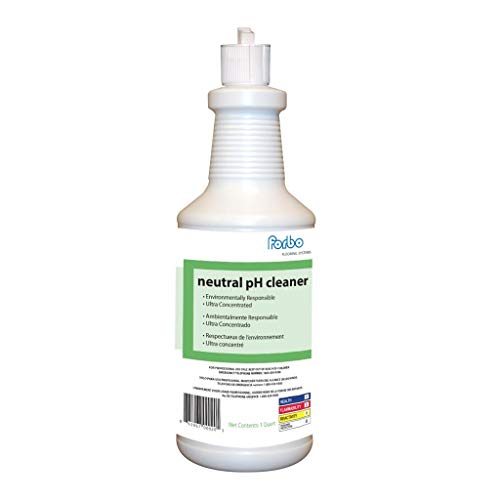
- Marmoleum floor cleaner pH neutral or Forbo Marmoleum cleaning solution
- pH-neutral linoleum floor cleaner as an alternative
- Microfiber mop for linoleum floors
- Soft bristle floor brush linoleum cleaning for grout lines or stubborn spots


Before You Start
Prepare the area by removing loose debris with a dry broom or dust mop. Check for any spills that require immediate blotting to prevent staining. Use a damp mop rather than soaking the floor, since Marmoleum floors are best cleaned with minimal moisture. Always test a small inconspicuous area first when trying a new cleaner. Plan for a quick 30–45 minute cleaning session, depending on floor size and traffic.
Step-By-Step: How To Clean Marmoleum Floors
- Dust mop or sweep the floor to remove surface debris and grit that can cause scratches when mopped.
- Prepare a cleaning solution using pH-neutral linoleum floor cleaner or Forbo Marmoleum cleaning solution following the product’s dilution instructions.
- Dip the microfiber mop for linoleum floors into the cleaner and wring out until it is damp, not soaking wet.
- Begin mopping in sections, working with the grain of the floor to lift dirt rather than push it around.
- For stubborn spots, use a soft bristle floor brush linoleum cleaning to gently scrub without scratching the surface.
- Rinse the mop frequently in clean water or switch to a fresh cleaning solution to avoid re-depositing dirt.
- After cleaning, go over the floor with a clean, damp microfiber mop to remove any residual cleaner.
- Dry the floor with a dry microfiber cloth or allow air to dry to prevent streaks and water spots.
- Spot-clean spills promptly using a damp cloth, then resume normal cleaning routine after the area dries.
- Schedule routine cleanings every one to two weeks for high-traffic areas, adjusting frequency as needed.
- Avoid wax buildup or polishing products unless specified for Marmoleum, as these can alter the finish over time.
Troubleshooting
| Symptom | Likely Cause | Fix | Prevention |
|---|---|---|---|
| Streaks after drying | Residual cleaner or insufficient rinsing | Rinse area with clean water and dry with a clean microfiber cloth | Use minimal cleaner and maintain a damp mop technique |
| Thriving dullness after cleaning | Wrong cleaner or buildup | Switch to a true pH-neutral Marmoleum cleaner | Avoid harsh detergents and wax-based products |
| Scratches from brushing | Coarse brush or abrasive pad | Switch to soft bristle brush and gentle scrubbing | Test brush on a hidden area first |
| Sticky residue | Over-wetting or overuse of cleaner | Rinse thoroughly and dry | Use well-wrung mop and follow dilution guidelines |
Common Mistakes
- Using high-pH or abrasive cleaners that damage Marmoleum
- Over-wetting the floor, which can loosen the adhesive or watermark the finish
- Using wax, oil, or silicone-based products not designed for Marmoleum
- Neglecting regular cleaning, leading to dirt buildup and dull appearance
Following proper product recommendations helps maintain the floor’s natural look and longevity.
Tips For Best Results
- Always follow the dilution and usage instructions on the cleaner label for best results.
- Keep a dedicated microfiber mop head for linoleum to avoid cross-contamination with other surfaces.
- Periodically damp-mop to remove fine dust and prevent micro-scratching from grit.
- For low-moisture cleaning, consider a ready-to-use spray bottle with a microfiber pad for quick touch-ups.
- Avoid re-wetting the floor excessively after cleaning; let it dry completely before walking on it.
Call A Professional
Consider contacting a flooring professional if Marmoleum shows persistent discoloration, warping, or adhesive issues that are not solved by routine cleaning. Seek help if large areas show moisture damage or a softened finish that does not respond to standard cleaning methods.
FAQ
What cleaner is best for Marmoleum floors?
The best cleaner is a pH-neutral Marmoleum floor cleaner or Forbo Marmoleum cleaning solution specifically formulated for linoleum surfaces.
Can I use a regular mop on Marmoleum floors?
A microfiber mop for linoleum floors is recommended to avoid scratches and to pick up fine dust effectively.
Should I rinse after cleaning Marmoleum?
Yes, use a damp mop with clean water to remove any cleaner residue and prevent streaks.
Is it safe to use vinegar on Marmoleum?
Vinegar or acidic cleaners should be avoided unless explicitly approved by the cleaner’s manufacturer, as they can damage the finish over time.
How often should I deep clean Marmoleum?
Deep clean every few months or as needed based on traffic; more frequent cleanings are beneficial in kitchens and entryways.
Can I wax Marmoleum?
No, Marmoleum floors generally do not require waxing and wax-based products can alter the finish; use products designed for Marmoleum if needed.
What about grout lines between panels?
Use a soft bristle floor brush linoleum cleaning to gently scrub grout lines, then wipe clean and dry.
Buying Guide
When choosing cleaning products for Marmoleum floors, consider factors like effectiveness on a natural fiber surface, pH level, and safe packaging for living spaces. Look for official Marmoleum or Forbo labels to ensure compatibility.
Size
Select a cleaner size that matches floor area and cleaning frequency. A larger bottle can be economical for busy households, while smaller bottles suit apartments.
Noise Level
Maintenance equipment such as mops and brushes should operate quietly, especially in apartments or homes with open living spaces.
Energy Efficiency
Manual cleaning with a damp microfiber mop is low energy; powered floor machines are generally unnecessary for Marmoleum and may risk damage.
Controls
Choose straightforward spray bottles or ready-to-use mops with simple dilution controls to reduce mistakes and waste.
Placement
Store cleaners in a cool, dry area away from direct sunlight and children’s reach. Keep microfiber tools with the cleaning supplies for quick access.