Grease buildup in a dishwasher can reduce cleaning performance and leave lingering residue on dishes. Regular maintenance helps keep your appliance running efficiently and extends its life. This guide provides practical steps, the right tools, and tips tailored for American homes.
The following sections outline a clear, safe approach to dissolving and flushing away tough grease, with emphasis on using products designed for dishwashers and simple manual scrubbing to restore optimal operation.
Quick Answer
Run a hot cleaning cycle with a dishwasher-safe degreaser, clean the filter and spray arms, and use a dedicated brush to scrub grease-prone areas. Finish with a rinse cycle and dry run to confirm clean performance.
What You’ll Need
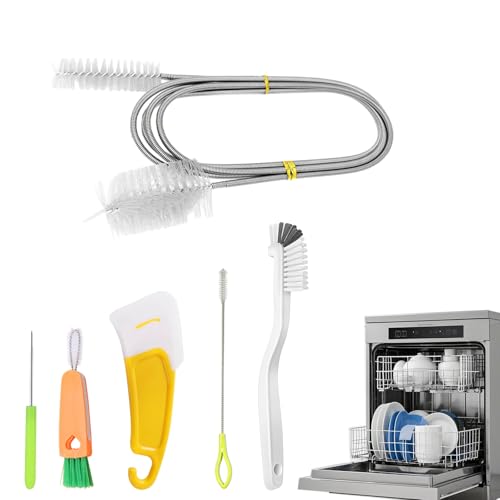
- Dishwasher Cleaning Brush for Filter
- Dishwasher Degreaser Spray Bottle
- Dishwasher Spray Nozzle Cleaning Tool
- Dishwasher Filter Cleaning Brush
- Ultrasonic Dishwasher Cleaner Kit


Before You Start
Ensure the dishwasher is cool before beginning any manual cleaning. Remove racks to access the bottom and spray arms. Wear gloves to protect hands from cleaning solutions. Reserve time for a full cycle to test after cleaning, typically 60–90 minutes depending on your model.
Check the drainage area and ensure the disposal or sink connection is clear. Avoid mixing harsh chemicals; stick to manufacturer-recommended dishwasher cleaners. If you notice standing water or unusual noises, stop and reassess before proceeding.
Step-By-Step: How To Remove Grease Buildup From Your Dishwasher
- Empty the dishwasher and remove the lower rack to access the filter and sump area.
- Remove the filter assembly and rinse it under warm water to loosen trapped grease.
- Use the Dishwasher Filter Cleaning Brush to scrub the filter housing and remove debris.
- Apply a Dishwasher Degreaser Spray Bottle to grease-prone zones around the filter, sump, and spray arms.
- Gently scrub spray arm holes with the Dishwasher Spray Nozzle Cleaning Tool to clear clogs.
- Run a hot water cycle with the ultrasonic dishwasher cleaner kit or a dedicated cleaner to dissolve remaining grease.
- Wipe the interior walls with a damp cloth, focusing on the door seal and corners where oil can accumulate.
- Rinse the filter and reassemble the unit, then run a short empty wash to flush loosened grease.
- Inspect the spray arms during the final rinse to ensure even water distribution.
- If buildup recurs, repeat the cleaning cycle every 1–2 months or adjust loading habits to minimize grease.
- For stubborn cases, consider a professional inspection of seals and the pump for hidden grease pockets.
Troubleshooting
| Symptom | Likely Cause | Fix | Prevention |
|---|---|---|---|
| Dishes still appear greasy after washing | Undissolved residue or clogged spray arms | Clean spray arms and run a degreaser cycle | Use pre-wash cycles for oily dishes; avoid overloading |
| Grease around the door seal | Soap scum buildup in moisture-prone areas | Wipe seals after cycles; clean with mild cleaner | Regular wipe-down after cycles |
| Water drains slowly | Clogged filter or pump | Clean filter and pump housing | Prevent debris from entering with proper loading |
| Unusual odors | Grease decomposing inside cabinet | Run an ultrasonic cleaner or enzyme-based cleaner | Schedule quarterly cleanings |
Common Mistakes
- Using abrasive tools that scratch interior surfaces
- Mixing cleaners not intended for dishwashers
- Neglecting the filter and sump areas during routine cleanings
- Overloading the dishwasher with oily cookware
Tips For Best Results
- Clean the filter monthly and after heavy use to prevent grease buildup.
- Run a maintenance cycle with a degreaser every 1–2 months, depending on usage.
- Pre-rinse dishes with visible grease to reduce residue on cookware and prevent clogging.
- Inspect spray arms for clogs and ensure even water distribution for thorough cleaning.
- Store cleaning products away from children and pets, and follow label directions for safe use.
Call A Professional
Stop and call a pro if you notice persistent grease buildup despite regular cleaning, unusual noises during operation, or leaking from the unit. Also seek assistance if your dishwasher fails to drain after attempting maintenance, or if seals show signs of wear or damage.
FAQ
How often should I clean my dishwasher’s filter?
Clean the filter at least once a month, or more often if you run a lot of greasy loads.
Can I use dish soap to degrease the dishwasher interior?
Avoid using dish soap inside the dishwasher; use a cleaner designed for dishwashers to prevent foaming and residue.
Will vinegar help with grease buildup?
Vinegar can help loosen mineral deposits but is not a complete substitute for a dedicated dishwasher cleaner.
Is it necessary to remove the spray arms during cleaning?
Removing spray arms is optional but can improve access to clogged holes and improve cleaning effectiveness.
What’s the best way to prevent future grease buildup?
Rinse dishes before loading, run hot wash cycles regularly, and perform routine filter cleaning and spray arm checks.
Buying Guide
When evaluating products to tackle grease buildup, consider factors such as compatibility with your dishwasher model, ease of use, and effectiveness on oily residues. Key buying aspects include:
- Size and compatibility: Ensure cleaners and brushes fit your dishwasher’s filter and spray arm configuration.
- Cleaning power: Look for products labeled for degreasing and stubborn grease, including ultrasonic options for deep cleaning.
- Ease of use: Spray bottles and cleaning kits that simplify application save time and encourage regular maintenance.
- Safety and materials: Choose gentler, non-abrasive tools for interior surfaces and food-safe cleaners when possible.
- Maintenance scope: Kits that cover filters, spray arms, and nozzles provide comprehensive care.
- Value and longevity: A multi-tool kit with durable brushes and reusable components offers long-term cost efficiency.
For households dealing with frequent greases, an ultrasonic cleaner kit can provide deeper maintenance, while traditional brushes and a degreaser spray bottle offer quick, spot-cleaning options. Consider your dishwasher’s design, your cleaning cadence, and how much downtime you’re willing to dedicate to maintenance when choosing tools.